You should wait 24 to 48 hours after applying topical flea treatment before bathing your dog. This time allows the medication to fully absorb into the skin, ensuring it remains effective against pesky fleas. If you're using oral flea medications, you can bathe your dog sooner, but it's still a good idea to give the treatment at least 24 hours to take effect. Always check the specific instructions on the product packaging or consult your veterinarian if you're unsure. Want more tips on keeping your dog flea-free and healthy? There's plenty to explore beyond this!
Key Takeaways
- For topical treatments, wait 24 to 48 hours to ensure full absorption before bathing your dog.
- After oral flea treatments, you can bathe your dog soon after, but wait at least 24 hours for effectiveness.
- With flea collars, allow a 24-hour wait after application before giving your dog a bath.
- Bathing too soon can wash away treatments, reducing their effectiveness against fleas.
- Always follow specific product instructions and consult your veterinarian for personalized advice on bathing after flea treatment.
Understanding Flea Treatments
When you treat your dog for fleas, it's essential to understand the different types of flea treatments available. Knowing your options helps you choose the best solution for your furry friend's needs.
There are several categories, including oral medications, topical treatments, and environmental controls.
Oral medications work by targeting fleas from the inside, effectively disrupting their life cycle. These treatments are usually fast-acting and can provide relief within hours.
Topical treatments, on the other hand, are applied directly to your dog's skin and often offer long-lasting protection. They create a barrier that repels fleas and may also kill existing ones.
Environmental controls are just as critical. Fleas can linger in your home, so it's vital to treat your dog's bedding, carpets, and other areas where fleas might hide.
Vacuuming regularly and washing your dog's belongings can help eliminate eggs and larvae.
Topical Flea Treatments
Topical flea treatments are a popular choice among pet owners due to their ease of application and effectiveness. These treatments typically come in small tubes or pipettes, allowing you to apply the solution directly onto your dog's skin, usually between the shoulder blades or along the spine.
This targeted application ensures that the medication reaches the bloodstream and spreads across your dog's body, effectively killing fleas and preventing future infestations.
One of the best aspects of topical treatments is that they often work quickly, providing relief for your furry friend within hours. They're designed to be waterproof, so you can usually maintain your dog's regular bathing routine without worry.
However, it's essential to follow the instructions provided by your veterinarian or the product label for optimal results.
Always ensure you're using a treatment specifically formulated for your dog's weight and age to avoid adverse reactions.
Wait Time for Topical Treatments
After applying a topical flea treatment, it's crucial to wait before giving your dog a bath.
Most treatments require at least 24 to 48 hours to fully absorb into your dog's skin and start working effectively. Bathing too soon can wash away the treatment, reducing its efficacy and leaving your furry friend vulnerable to fleas.
While you wait, here are a few things you can do to keep your dog comfortable and entertained:
- Playtime: Engage your pup with their favorite toys, ensuring they stay active and happy.
- Grooming: Brush your dog's coat to remove any loose fur and debris while avoiding the treatment area.
- Cozy Space: Create a comfortable spot for them to relax, perhaps with their favorite blanket or pillow.
- Treats: Offer some healthy treats as a distraction and reward for their patience.
Oral Flea Treatments
Oral flea treatments offer a convenient and effective way to protect your dog from infestations. These medications work by targeting fleas from the inside out, disrupting their lifecycle and preventing them from causing discomfort to your furry friend.
When you choose an oral treatment, you're taking a proactive step in ensuring your dog's health and happiness.
You'll find a variety of oral flea medications available, including chewable tablets and flavored options that make administration easy. Many of these treatments start working within hours, giving you peace of mind that your dog is protected quickly.
It's essential to follow the dosage instructions provided by your veterinarian, as they can tailor their recommendations based on your dog's weight, age, and health status.
When you give your dog an oral flea treatment, you're investing in their well-being and comfort. Regularly administering these treatments helps maintain a flea-free environment, not just for your dog but for your entire home.
Bathing After Oral Treatments
Bathing your dog after administering an oral flea treatment can be a bit confusing, but it's important to know the right timing.
Generally, you don't need to worry about waiting too long to bathe your dog after giving them an oral treatment. Since the medication works through their bloodstream rather than their skin, bathing won't wash it away.
However, it's best to give it at least 24 hours to ensure the treatment has had time to take effect.
When you do decide to bathe your dog, consider these tips:
- Use a gentle dog shampoo to avoid irritation.
- Brush your dog before the bath to remove loose fur and dirt.
- Dry thoroughly after the bath to keep them warm and comfortable.
- Reward them with treats or praise after the bath to create a positive experience.
Flea Collars and Bathing
Flea collars can be a convenient option for keeping your dog protected from pests, but they also come with specific bathing guidelines. When you use a flea collar, it's essential to wait at least 24 hours after putting it on before giving your dog a bath. This waiting period allows the collar's active ingredients to properly absorb and start working, ensuring your dog gets the full benefits of the treatment.
After that initial 24-hour period, you can bathe your dog, but it's wise to choose your shampoo carefully. Opt for a mild, pet-safe shampoo that won't wash away the collar's effectiveness. Avoid any flea shampoos, as they may interfere with the collar's protection.
Additionally, keep in mind that frequent bathing can reduce the collar's efficacy over time. If your dog enjoys regular baths, consider discussing alternatives with your vet to maintain their flea protection without compromising their hygiene.
Always monitor your dog for any signs of irritation or discomfort. By following these guidelines, you'll be ensuring your furry friend stays comfortable and pest-free while enjoying a clean coat.
Factors Affecting Bathing Time
When deciding how long to wait before bathing your dog after flea treatment, several factors come into play.
The type of flea treatment you used, your dog's coat condition, and the environmental conditions can all impact your timing.
Understanding these elements will help you make the best choice for your furry friend.
Type of Flea Treatment
Understanding the type of flea treatment you've chosen for your dog is crucial in determining how long to wait before bathing. Different treatments have varying instructions, and being aware of these details can help you serve your furry friend best.
Here are some common types of flea treatments and their considerations:
- Topical treatments: These often require a waiting period of 24 to 48 hours to ensure the medication absorbs properly into the skin.
- Oral medications: If your dog took an oral flea pill, you can typically bathe them shortly after, as these treatments are absorbed internally.
- Flea collars: With flea collars, you usually don't have to wait long, but it's best to check the specific product instructions for guidance.
- Shampoos: Flea shampoos can often be rinsed off right away, but some may need a longer duration to work effectively.
Dog's Coat Condition
The condition of your dog's coat can significantly influence how long you should wait before giving them a bath after flea treatment. If your dog has a thick, oily, or matted coat, the flea treatment may take longer to penetrate and distribute effectively. In such cases, it's best to wait a bit longer before bathing to ensure the treatment works as intended.
On the other hand, if your dog's coat is clean, well-groomed, and free of tangles, you mightn't need to wait as long. A healthy coat allows the treatment to adhere better and be more effective.
Additionally, consider any skin conditions your dog may have. If your dog suffers from dryness or irritation, bathing too soon could exacerbate their discomfort. Always prioritize your dog's comfort and well-being.
To make the best decision, observe how your dog reacts to the flea treatment and assess their coat condition.
If you're unsure, consulting your veterinarian is always a good idea. They can provide tailored advice based on your dog's specific needs and help you ensure their health and happiness.
Environmental Factors
Various environmental factors can impact how long you should wait to bathe your dog after flea treatment.
When you consider these elements, you'll ensure your furry friend receives the best care possible while allowing the treatment to work effectively.
- Humidity levels: High humidity can speed up the breakdown of flea treatments, making it essential to wait longer in these conditions.
- Temperature: Warmer weather can affect how quickly the treatment absorbs into your dog's skin, potentially requiring a longer waiting period.
- Outdoor activities: If your dog loves rolling in dirt or swimming, you might need to extend the waiting time to ensure the treatment remains effective.
- Indoor environment: If your home has a lot of dust or allergens, you might want to wait longer to prevent any irritation after bathing.
Signs of Flea Infestation
Noticing the signs of a flea infestation can save you a lot of trouble down the road. One of the first things you might observe is excessive scratching or biting from your dog. If you see them constantly digging at their skin, it could indicate that they're trying to relieve irritation caused by fleas.
You may also notice small red bumps or sores on their skin, which can develop due to flea bites.
Another telltale sign is the presence of flea dirt, which looks like small black specks in your pet's fur or bedding. If you suspect fleas, try brushing your dog with a white cloth or paper towel to catch any debris. If the specks turn reddish-brown when wet, they're likely flea droppings.
Additionally, keep an eye out for any unusual behavior, such as restlessness or difficulty sleeping. Fleas can cause discomfort, leading to changes in your dog's habits.
Importance of Following Instructions
Addressing a flea infestation promptly is vital, but how you treat your dog afterward is just as important.
Following the instructions on your flea treatment is crucial for your dog's health and well-being. Not only does it ensure the treatment's effectiveness, but it also protects your furry friend from potential side effects.
When you don't adhere to the guidelines, you risk:
- Overdosing: Administering too much medication can lead to serious health issues.
- Under-treating: If you bathe your dog too soon, it can wash away the treatment, leaving the fleas unchallenged.
- Skin irritation: Using products incorrectly can irritate your dog's skin, causing discomfort.
- Ineffective results: Ignoring the recommended waiting period may allow fleas to thrive, prolonging the infestation.
Alternatives to Bathing
If you're looking for alternatives to bathing your dog after flea treatment, there are several effective options to consider.
First, you can use a damp cloth to gently wipe your dog's fur. This helps remove any dirt or debris without disrupting the flea treatment. Focus on areas where your dog tends to get dirty, like their paws and belly.
Another option is to brush your dog regularly. A good brush not only removes loose fur but also helps distribute natural oils, giving your dog's coat a healthy shine. Plus, it's a great way to bond with your furry friend!
You might also want to consider using dry shampoo specifically formulated for dogs. These products can freshen up your dog's coat without the need for water. Just be sure to follow the instructions on the label.
Lastly, if your dog enjoys being outside, letting them roll in the grass can help keep them clean. Just be mindful of the area to ensure it's flea-free!
Tips for Bathing Your Dog
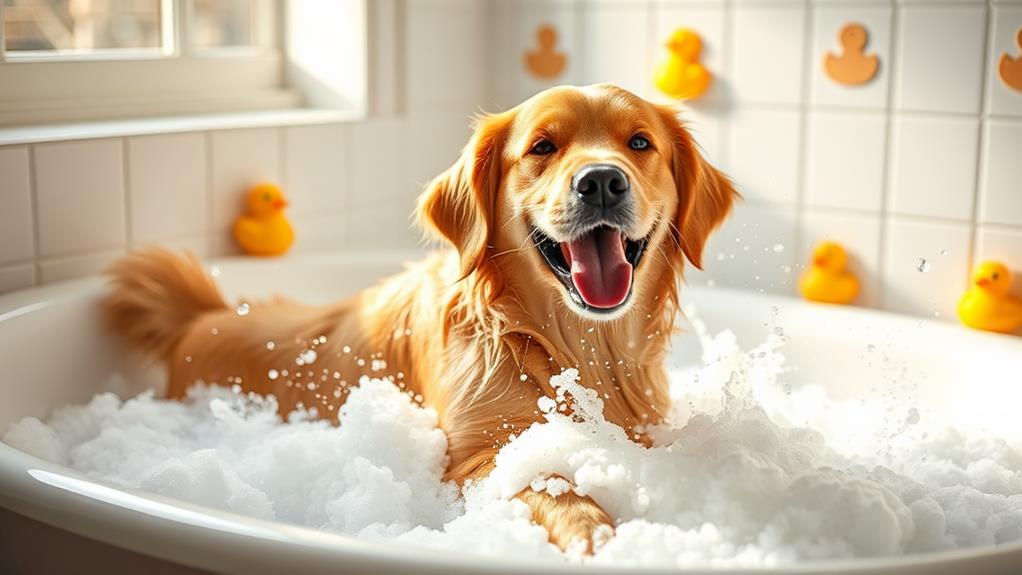
Bathing your dog can be a delightful bonding experience, but it's essential to approach it with care. To ensure your pup enjoys the process, consider these helpful tips:
- Gather Supplies: Keep shampoo, towels, a brush, and a non-slip mat nearby for a smooth bathing experience.
- Choose the Right Time: Pick a day when your dog is calm and relaxed, avoiding bath time right after play or meals.
- Use Lukewarm Water: Ensure the water temperature is comfortable; hot water can irritate your dog's skin, while cold water may make them shiver.
- Stay Calm and Reassuring: Your dog can sense your energy. Speak softly and offer treats to create a positive atmosphere.
Maintaining Flea Control
After your dog's bath, keeping fleas at bay becomes a top priority. You want to ensure your furry friend stays comfortable and healthy, so implementing effective flea control measures is essential.
Start by vacuuming your home regularly, focusing on areas where your dog spends the most time. This helps eliminate flea eggs and larvae, preventing future infestations.
Consider using flea preventative treatments, such as topical solutions or oral medications, as recommended by your vet. These treatments create a barrier against fleas and can significantly reduce their presence.
Additionally, wash your dog's bedding and toys frequently in hot water to kill any lurking pests.
It's also vital to treat your yard if your dog spends time outdoors. You can use pet-safe insecticides or natural remedies to keep fleas away.
Regular grooming with a flea comb can help you spot and remove any fleas before they become a bigger issue.
When to Consult a Veterinarian
Knowing when to consult a veterinarian can make a big difference in your dog's health. While flea treatments are generally safe, certain signs may indicate that your furry friend needs professional attention.
If you notice any of the following symptoms, don't hesitate to reach out to your vet:
- Persistent scratching or biting: If your dog won't stop scratching, it could signal an allergic reaction or infection.
- Skin irritation: Look for redness, swelling, or rashes. These may indicate an adverse reaction to the flea treatment.
- Vomiting or diarrhea: If your dog experiences gastrointestinal issues after treatment, it's crucial to seek help immediately.
- Lethargy or unusual behavior: A sudden drop in energy or changes in behavior might be a sign that something's wrong.
Acting promptly can prevent complications and ensure your dog receives the care they need.
Regular check-ins with your veterinarian will also help you stay informed about the best flea prevention strategies tailored to your dog's specific needs.
Frequently Asked Questions
Can I Use Regular Shampoo After Applying Flea Treatment?
After applying flea treatment, you shouldn't use regular shampoo right away. It can wash away the treatment's effectiveness. Wait a few days, then you can bathe your dog with gentle shampoo to keep them clean.
What Should I Do if My Dog Gets Wet Before the Wait Time?
If your dog gets wet before the wait time, don't panic! Just dry them off gently and keep an eye on them. It's crucial to ensure the treatment remains effective for their well-being.
Are There Any Side Effects of Bathing Too Soon?
Bathing too soon can reduce the effectiveness of the flea treatment, leaving your dog vulnerable to infestations. It's best to follow the recommended wait time to ensure your pup stays protected and comfortable.
Can I Use a Dog Conditioner After Flea Treatment?
Imagine baking a cake; you wouldn't ice it too soon. After flea treatment, wait a bit before using conditioner. It ensures the treatment's effectiveness while keeping your dog's coat healthy and shiny. Patience pays off!
How Often Should I Apply Flea Treatment to My Dog?
You should apply flea treatment to your dog monthly for optimal protection. Always check the product instructions for specific guidelines, and adjust based on your dog's lifestyle and the flea population in your area.
Conclusion
In the battle against fleas, timing is essential. After applying flea treatment, give your dog a little time to let the medicine work its magic. Think of it like planting seeds; you wouldn't water them immediately after planting. Wait the recommended duration for topical treatments, and remember that oral treatments don't require the same caution. By following these guidelines, you're not just keeping your dog comfy; you're creating a fortress against those pesky pests!

Carlos Rodriguez is the Senior Product Reviewer at DogShampooReviews.com. With over 15 years of experience in canine grooming and skincare, Carlos brings a wealth of knowledge and passion to our team. His journey began at a young age, growing up on a family farm where he was surrounded by dogs of all breeds and sizes. This early exposure ignited his lifelong dedication to animal care and well-being.
Professional Background
- Certified Dog Groomer: Carlos is a certified professional groomer who has worked in some of the top grooming salons across the country. His expertise spans various grooming techniques suitable for different breeds and coat types.
- Canine Skincare Specialist: Recognizing the importance of skin health in dogs, Carlos pursued additional certifications in dermatological care for canines, specializing in treating skin conditions and allergies.
- Product Testing Expert: With a meticulous eye for detail, Carlos rigorously tests dog shampoos and grooming products, evaluating them on ingredients, efficacy, safety, and overall quality.
Passion for Dogs
Carlos’s love for dogs goes beyond his professional life. He is an active volunteer at local animal shelters, providing grooming services to help adoptable dogs look and feel their best. His own rescued dogs, Bella and Rocky, are often the first to try out new products, ensuring his reviews come from genuine experiences.
Why Trust Carlos
- Unbiased Reviews: Committed to integrity, Carlos ensures all his reviews are honest and based on thorough testing.
- Expert Insight: His extensive knowledge allows him to break down complex information into understandable advice for dog owners.
- Community Engagement: Carlos actively engages with our readers, answering questions and providing personalized recommendations.