
In the summer, you should typically bathe your dog every 4 to 6 weeks to keep them healthy and comfortable. However, if your dog is particularly active or has a coat that traps dirt, you might need to wash them more often. Breeds with oily skin may require baths every 3 weeks, while those with sensitive skin might only need bathing every 6 to 8 weeks. Pay attention to any odors or visible dirt, as these are signs your dog needs a bath sooner. There's plenty more to consider such as grooming techniques and products that could help!
Key Takeaways
- Most dogs should be bathed every 4 to 6 weeks during summer to manage dirt and odors.
- Active dogs may need more frequent baths due to increased outdoor activity and dirt accumulation.
- Long-haired breeds typically require more frequent baths compared to short-haired breeds.
- Dogs with sensitive skin should be bathed every 6 to 8 weeks using gentle, hypoallergenic shampoos.
- Regular baths help maintain cleanliness, reduce allergens, and prevent skin issues, especially in hot weather.
Importance of Bathing in Summer
Bathing your dog during the summer is crucial for their health and comfort. With rising temperatures, your furry friend can easily become overheated, making regular baths essential. Cleaning your dog not only helps reduce excess dirt and grime but also removes allergens like pollen that can irritate their skin.
By keeping their coat clean, you promote better air circulation and help them regulate their body temperature more effectively.
Additionally, summer brings increased exposure to pests like fleas and ticks. Bathing your dog with a suitable shampoo can help eliminate these unwanted visitors and prevent infestations. Regular baths also give you the opportunity to check for any skin issues, lumps, or irritations that may need attention.
Moreover, a clean dog is often a happier dog! They'll feel fresher and more comfortable, allowing them to enjoy those sunny days outside.
As a loving pet owner, your efforts in maintaining your dog's hygiene will pay off in their overall well-being. So, make bathing a priority this summer, and you'll see the positive impact it has on your pup's health and happiness.
Factors Influencing Bathing Frequency
Several factors influence how often you should bathe your dog during the summer. One of the key considerations is your dog's activity level. If your furry friend loves to play outside, roll in the grass, or take a dip in the pool, they'll likely need more frequent baths to keep their coat clean and healthy.
Another important factor is the environment. If you live in a hot, sandy area, your dog may accumulate dirt and debris that necessitates regular cleansing.
Additionally, consider your dog's skin type. Dogs with oily skin might need baths more often, while those with dry skin could benefit from less frequent washing to avoid irritation.
Allergies can also play a role. If your dog is prone to allergies, bathing can help remove allergens from their coat.
Lastly, your dog's age and health status matter; older dogs or those with certain medical conditions may require special care regarding bathing frequency.
Dog Breed Considerations
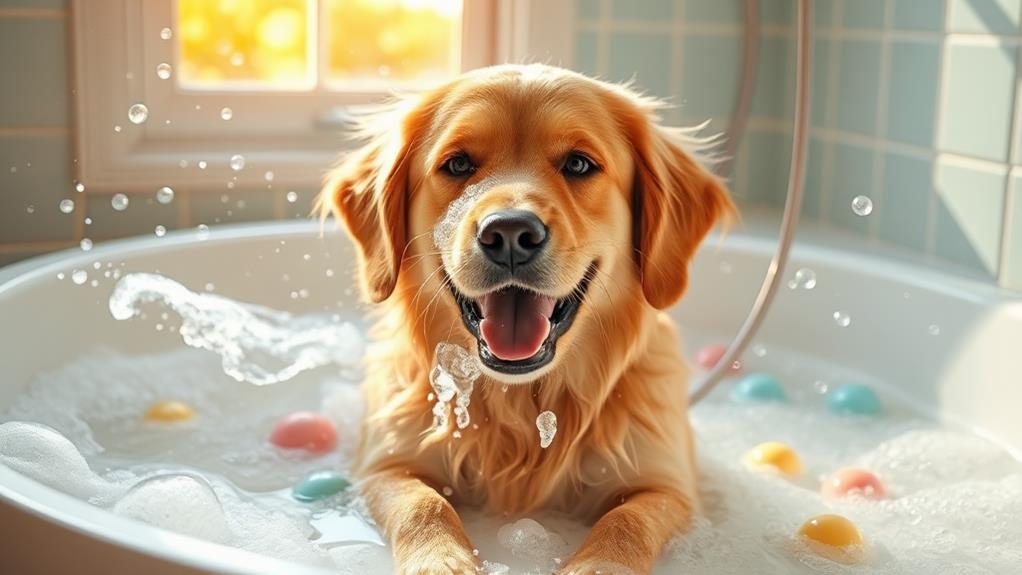
When choosing how often to bathe your dog in the summer, it's crucial to consider their breed, as different breeds have varying grooming needs.
For instance, long-haired breeds like Golden Retrievers or Shih Tzus may require more frequent baths to prevent matting and keep their coats clean. On the other hand, short-haired breeds, such as Beagles or Boxers, usually need fewer baths since their coats can self-clean more effectively.
Additionally, certain breeds possess unique skin characteristics. For example, Bulldogs and Cocker Spaniels may have more skin folds that can trap dirt and moisture, necessitating more regular bathing to avoid irritation and infections.
If your dog belongs to a breed known for its oilier coat, like a Basset Hound, you might notice they need baths more often to manage odor and oil buildup.
Always remember to use a gentle, dog-specific shampoo to maintain their coat and skin health.
By understanding the specific grooming needs of your dog's breed, you can create a bathing schedule that keeps them clean and comfortable all summer long.
This thoughtful approach not only ensures your dog feels great but also strengthens your bond with them.
Activity Level and Lifestyle
Your dog's activity level plays a big role in how often they need a bath during the summer.
If you've got an active pup who loves outdoor adventures, you'll likely need to bathe them more frequently to keep them clean and comfortable.
On the other hand, if your dog tends to stay indoors, their bathing needs may be less demanding.
Active Dogs' Bathing Needs
Active dogs often require more frequent baths, especially during the summer months. Their playful nature means they're likely to get dirtier, sweatier, and more smelly than less active pups.
If you're committed to keeping your furry friend clean and comfortable, pay attention to their bathing needs.
Consider these factors to help determine how often to bathe your active dog:
- Type of Activity: The messier the play, the more frequent the bath.
- Coat Type: Long or dense fur may trap dirt and odors more easily.
- Skin Sensitivity: Some dogs have sensitive skin, necessitating gentler bathing methods.
- Outdoor Exposure: Regular outdoor adventures increase the likelihood of dirt and debris accumulation.
- Health Considerations: Dogs with certain medical conditions might require more attention to hygiene.
Indoor vs. Outdoor Lifestyle
Balancing an indoor and outdoor lifestyle can significantly impact how often you need to bathe your dog during the summer. If your furry friend spends most of their time indoors, they're likely to stay cleaner, requiring less frequent baths.
However, if they love romping outside—especially in muddy or dusty areas—they'll need more regular grooming to keep their coat healthy and free of dirt.
Active dogs who enjoy outdoor adventures may come home with odors or debris that require immediate attention. In these cases, a quick rinse after a fun day outside can help maintain cleanliness without the need for a full bath.
On the other hand, if your dog prefers a more sedentary indoor life, you might find that a bath every few weeks is sufficient to keep them smelling fresh.
Ultimately, it's about knowing your dog's habits and adjusting your bathing routine accordingly. By taking into account their activity levels and lifestyle, you'll ensure they remain comfortable and clean all summer long.
Skin Type and Sensitivity
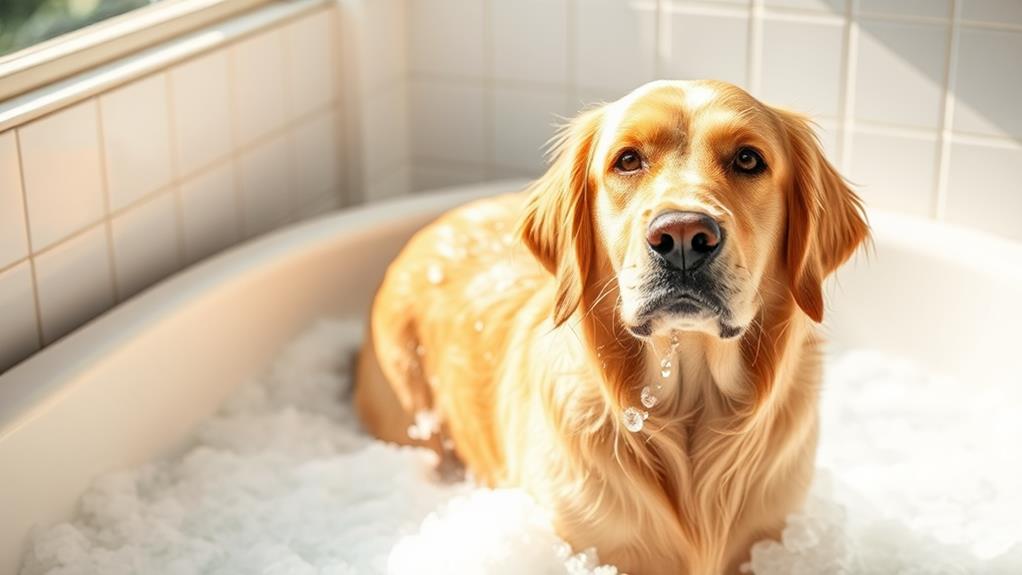
When it comes to bathing your dog, their skin type plays a crucial role in determining how often you should wash them.
If your pup has normal skin, you can stick to a regular bathing schedule, but sensitive skin requires special attention and gentler products.
Understanding your dog's unique skin needs will help keep them comfortable and healthy during the hot summer months.
Normal Skin Care
Understanding your dog's skin type and sensitivity is crucial for effective normal skin care, especially during the summer months. Proper care helps maintain your pup's skin health, keeping it moisturized and protected from the elements.
Here are some tips to ensure your dog's skin stays in great condition:
- Choose the right shampoo: Use a gentle, hypoallergenic dog shampoo to avoid irritation.
- Regular brushing: Keep your dog's coat clean and free of debris by brushing them regularly.
- Monitor for dryness: Check for dry patches or flakiness, which can signal a need for more moisture.
- Hydration is key: Make sure your dog has access to fresh water, as hydration supports healthy skin.
- Avoid over-bathing: Too many baths can strip natural oils; limit baths to once a month unless your dog gets particularly dirty.
Sensitive Skin Needs
For dogs with sensitive skin, extra care is essential to keep their coats and skin healthy during the summer.
You'll want to be especially mindful of the products you use when bathing them. Opt for hypoallergenic shampoos that are free from harsh chemicals, fragrances, and dyes. These gentle formulas can help prevent irritation and keep your pup comfortable.
When you do bathe your dog, aim for a frequency that balances cleanliness with skin health. Usually, bathing every three to four weeks is sufficient for sensitive skin, but it may vary based on your dog's activity level and environment.
If your dog gets particularly dirty or sweaty, a rinse with just water might be enough.
After bathing, make sure to thoroughly dry your dog, especially in sensitive areas like the ears and underbelly, to avoid any moisture-related issues.
Additionally, consider using a soothing conditioner or oatmeal rinse to help moisturize their skin.
Always keep an eye out for any signs of irritation or allergies.
Environmental Factors
Summer brings unique environmental factors that can impact how often you should bathe your dog. Understanding these influences can help you provide the best care for your furry friend. Here are some key factors to consider:
- Heat and Humidity: High temperatures can lead to more sweating and dirt accumulation on your dog's coat.
- Outdoor Activities: Increased time spent outside means more exposure to dirt, pollen, and potential allergens.
- Water Activities: If your dog loves swimming, you may need to bathe them more often to remove chlorine or saltwater.
- Pests: Summer invites fleas and ticks, which may necessitate more frequent baths to keep them at bay.
- Skin Sensitivity: Some dogs may react differently to summer allergens, requiring additional baths to soothe their skin.
Signs Your Dog Needs a Bath
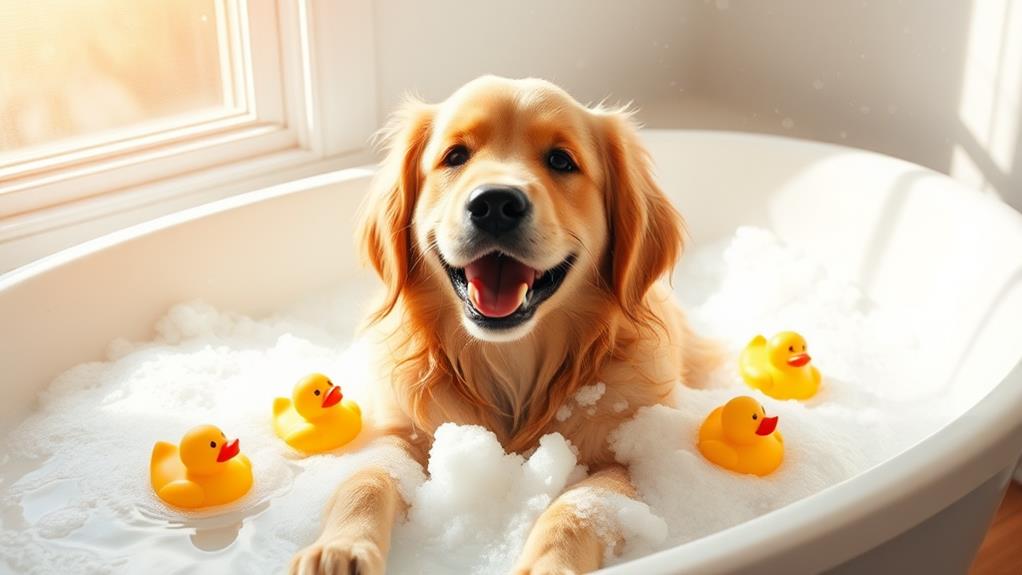
You'll know it's time for a bath when your dog starts to smell, and you can't ignore that noticeable odor.
If you notice excessive shedding or see dirt and debris clinging to their fur, those are clear signs they need some sudsy attention.
Keeping an eye on these cues will help keep your furry friend clean and comfortable all summer long.
Noticeable Odor Emission
When your dog starts emitting a noticeable odor, it's often a clear sign that a bath is overdue. This scent can be unpleasant for both you and anyone who comes into contact with your furry friend.
Regular bathing not only keeps your dog smelling fresh but also helps maintain their skin and coat health.
Here are some signs to watch for that indicate your dog needs a bath:
- Strong, musky odor: This could signal that oils and dirt have built up on their coat.
- Greasy or oily fur: If your dog's fur feels slick, it's time for a cleanse.
- Dirt and mud accumulation: After outdoor adventures, their coat might carry the evidence.
- Unpleasant breath: Bad breath can also indicate oral hygiene issues, often alleviated with a bath.
- Skin irritations or itching: If your dog's skin looks red or inflamed, a bath can help soothe irritation.
Don't wait too long to give your dog a bath. Keeping them clean contributes to their overall well-being and ensures they feel comfortable and loved.
Regular grooming builds a strong bond between you and your loyal companion!
Excessive Shedding Issues
Excessive shedding can be a clear indicator that your dog needs a bath. When your furry friend starts leaving clumps of fur around your home, it's time to pay attention. Shedding can be a normal part of your dog's grooming routine, but if it seems to be escalating, a bath could help.
Bathing your dog not only removes loose hair but also helps to clean their skin, reducing irritants that might cause more shedding. You might notice that your pup's coat looks dull or feels rough, which can also signal the need for a refreshing wash.
Keeping your dog's coat clean and well-maintained can minimize shedding and promote healthy fur. If you see your dog scratching more than usual or if the fur comes out in large amounts when you pet them, it's a good idea to give them a bath.
Dirt and Debris Accumulation
Sometimes, a dog's coat can start to look less than pristine, signaling that it's time for a bath. As a caring dog owner, you want to ensure your furry friend stays clean and comfortable, especially during the summer months.
Here are some signs that indicate your pup might need a wash due to dirt and debris accumulation:
- Visible dirt or mud on the coat
- A noticeable odor emanating from your dog
- Excessive itching or scratching
- Tangled fur or matted areas
- Fleas or ticks present in the fur
Pay attention to your dog's appearance and behavior. If you notice any of these signs, it's likely time to give them a bath.
Regular bathing helps remove dirt, allergens, and excess oil, promoting a healthier coat and skin. Plus, a clean dog is often a happier dog!
Recommended Bathing Frequency
Determining how often to bathe your dog during the summer can depend on several factors, including their breed, activity level, and skin type.
Generally, most dogs benefit from a bath every 4 to 6 weeks. However, if your dog loves outdoor adventures, you might need to increase that frequency. Active dogs can accumulate dirt and sweat, which not only affects their coat but can also lead to skin issues if not addressed.
For breeds with oily skin or those that tend to smell, a bath every 3 weeks may be more appropriate. Conversely, if your dog has sensitive skin, bathing less frequently—around every 6 to 8 weeks—might be best to maintain natural oils.
Always keep an eye on your dog's coat and skin condition. If they start to look dirty or develop an odor sooner, it's time for a bath.
Best Bathing Products for Dogs
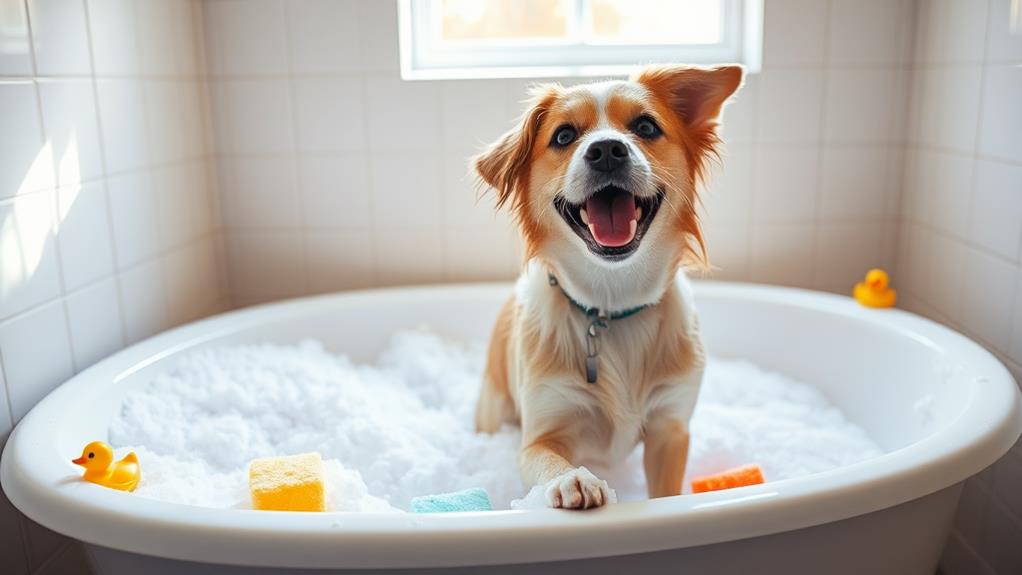
What should you look for when choosing the best bathing products for your dog? Selecting the right products can make bath time enjoyable for both you and your furry friend. Here are some key factors to consider:
- Natural Ingredients: Look for shampoos and conditioners made with gentle, natural ingredients to avoid irritating your dog's skin.
- Hypoallergenic Options: If your dog has sensitive skin, choose hypoallergenic products to minimize the risk of allergic reactions.
- pH Balanced: Dog's skin has a different pH level than humans. Opt for products specifically formulated to maintain their skin's balance.
- Deodorizing Properties: In summer, dogs can get smelly. Consider products with deodorizing properties to keep them fresh between baths.
- Moisturizing Features: Summer heat can dry out your dog's skin. Select products that provide hydration to keep their coat healthy.
Investing in quality bathing products not only enhances your dog's bathing experience but also ensures their coat remains shiny and skin stays healthy.
Bathing Techniques and Tips
Choosing the right bathing products sets the stage for a successful bath time, but how you apply those products makes all the difference. Start by brushing your dog before the bath to remove loose fur and tangles. This not only helps the shampoo work better but also makes the bathing process smoother.
When it's time to bathe, use lukewarm water and avoid spraying directly on your dog's face. Instead, wet their body first, then gently apply the shampoo, working it into a lather. Focus on areas that tend to get dirtier, like the paws and belly, but be gentle.
Rinse thoroughly to ensure no product is left behind, as residue can irritate their skin. Consider using a detachable showerhead or a cup to rinse.
After bathing, wrap your dog in a towel to soak up excess water. If your dog tolerates it, you might use a blow dryer on a low setting to speed up the drying process.
Alternatives to Traditional Baths
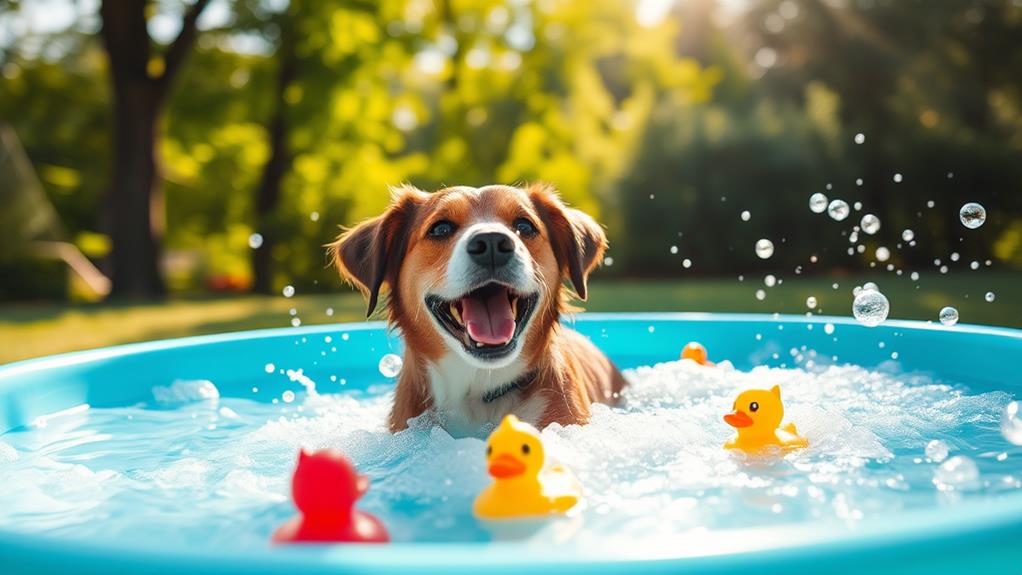
Bathing your dog isn't the only way to keep them clean and fresh, especially during the summer months. You can explore several alternatives that not only keep your furry friend looking great but also save you time and effort.
Here are some effective options:
- Dry Shampoo: Use a pet-safe dry shampoo to absorb excess oil and dirt, leaving their coat refreshed.
- Wet Wipes: Opt for specially designed pet wipes to clean their paws, face, and body without the mess of water.
- Waterless Bath Foam: This foam can be massaged into your dog's coat, making cleanup a breeze and providing a pleasant scent.
- Brush Regularly: Frequent brushing removes loose fur and dirt, while also distributing natural oils for a shiny coat.
- Paw Cleaning: After walks, wipe down your dog's paws with a damp cloth to remove dirt and allergens.
These alternatives not only help keep your dog clean but also enhance your bond.
Frequently Asked Questions
Can I Use Human Shampoo on My Dog in Summer?
You shouldn't use human shampoo on your dog, even in summer. It can irritate their skin and disrupt natural oils. Instead, opt for a dog-specific shampoo to keep their coat healthy and clean.
What Time of Day Is Best to Bathe My Dog?
Imagine your dog as a sunbeam, radiating joy. The best time to bathe your furry friend is in the morning or late afternoon, when temperatures are cooler, ensuring a refreshing experience for both of you.
How Can I Dry My Dog After a Bath?
To dry your dog after a bath, you can use a soft towel, gently rubbing away excess water. A pet-safe blow dryer on a low setting can help, too, ensuring you keep your pup comfortable.
Are There Any Risks of Overbathing My Dog?
Yes, overbathing your dog can strip natural oils, leading to dry skin and irritation. It can also disrupt the skin's microbiome, making your pup more susceptible to infections. Balance is key for their health.
Should I Bathe My Puppy Differently Than Adult Dogs?
When it comes to bathing your puppy, you've got to remember they're delicate. Stick to gentle shampoos and bathe them less frequently than adults. It's all about keeping their skin healthy and happy!
Conclusion
In the summer heat, bathing your dog isn't just about cleanliness; it's about comfort and health. Just like you wouldn't wear a heavy coat on a sunny day, your pup needs to feel fresh and free. By considering their breed, activity level, and skin type, you can tailor a bathing routine that keeps them cool and happy. So, grab those gentle shampoos and make bath time a fun, refreshing ritual for both of you!

Carlos Rodriguez is the Senior Product Reviewer at DogShampooReviews.com. With over 15 years of experience in canine grooming and skincare, Carlos brings a wealth of knowledge and passion to our team. His journey began at a young age, growing up on a family farm where he was surrounded by dogs of all breeds and sizes. This early exposure ignited his lifelong dedication to animal care and well-being.
Professional Background
- Certified Dog Groomer: Carlos is a certified professional groomer who has worked in some of the top grooming salons across the country. His expertise spans various grooming techniques suitable for different breeds and coat types.
- Canine Skincare Specialist: Recognizing the importance of skin health in dogs, Carlos pursued additional certifications in dermatological care for canines, specializing in treating skin conditions and allergies.
- Product Testing Expert: With a meticulous eye for detail, Carlos rigorously tests dog shampoos and grooming products, evaluating them on ingredients, efficacy, safety, and overall quality.
Passion for Dogs
Carlos’s love for dogs goes beyond his professional life. He is an active volunteer at local animal shelters, providing grooming services to help adoptable dogs look and feel their best. His own rescued dogs, Bella and Rocky, are often the first to try out new products, ensuring his reviews come from genuine experiences.
Why Trust Carlos
- Unbiased Reviews: Committed to integrity, Carlos ensures all his reviews are honest and based on thorough testing.
- Expert Insight: His extensive knowledge allows him to break down complex information into understandable advice for dog owners.
- Community Engagement: Carlos actively engages with our readers, answering questions and providing personalized recommendations.