To stop your dog from smelling bad, start by identifying the source of the odor. Check for dirt, infections, or skin issues. Establish a regular bathing schedule every 4 to 6 weeks with a suitable shampoo, and dry your dog thoroughly afterward. Don't forget grooming; regular brushing helps remove loose hair and dirt. Pay attention to dental hygiene; brush their teeth several times a week and schedule vet check-ups. Finally, consider their diet—high-quality food can make a difference. Keep your home fresh by cleaning often, which helps maintain an inviting space. Explore more effective tips for a fresher pup!
Key Takeaways
- Regularly bathe your dog every 4 to 6 weeks with a suitable shampoo to maintain cleanliness and reduce odors.
- Establish a grooming routine, brushing your dog frequently to remove loose hair, dirt, and debris that can contribute to smells.
- Check and clean your dog's ears regularly to prevent infections that can cause unpleasant odors.
- Ensure proper dental care by brushing your dog's teeth several times a week to maintain fresh breath and oral health.
- Provide high-quality nutrition and fresh water to promote overall health and minimize unpleasant odors from digestion.
Identify the Source of Odor
Detecting the source of dog odors is essential for maintaining a fresh-smelling home. Start by closely examining your dog's body. Check their ears, paws, and coat for any signs of dirt or infection.
Dogs can develop odors due to skin issues, ear infections, or even dental problems. When you notice a specific smell, consider visiting your veterinarian to identify any underlying health concerns.
Next, inspect your home environment. Look for areas where your dog spends the most time. Dog beds, blankets, and toys can harbor unpleasant odors, so make it a habit to clean these items regularly.
Wash their bedding and any fabric they frequently touch, using pet-safe detergents.
Additionally, examine your flooring. Carpets and rugs can absorb odors over time, especially if your dog has had accidents.
Consider steam cleaning or using an enzymatic cleaner designed specifically for pet odors.
Regular Bathing Tips
To keep your dog smelling fresh, it's important to choose the right shampoo that suits their coat type.
Establishing a regular bathing schedule will help prevent odors from building up over time.
Don't forget to dry your pup thoroughly after each bath to avoid any dampness that can lead to smells.
Choose the Right Shampoo
When it comes to keeping your dog smelling fresh, choosing the right shampoo is essential. Not all shampoos are created equal, so you'll want to pick one that suits your dog's specific needs. Look for a gentle, pH-balanced formula designed for dogs, as human shampoos can irritate their skin.
If your pup has sensitive skin or allergies, opt for hypoallergenic options that won't cause irritation. Natural ingredients are also a great choice—shampoos with oatmeal, aloe vera, or coconut oil can soothe and moisturize your dog's skin while providing a pleasant scent.
For dogs that spend a lot of time outdoors, consider shampoos with deodorizing properties or those that target specific odors, like those caused by wet fur or rolling in something smelly.
Make sure to avoid products with harsh chemicals or artificial fragrances, as these can do more harm than good. Always read labels carefully and consult your vet if you're unsure.
Establish a Bathing Schedule
Establishing a regular bathing schedule is key to keeping your dog smelling fresh and clean. It's essential to set a routine that works for both you and your pup. Depending on your dog's breed, activity level, and lifestyle, you might want to bathe them every 4 to 6 weeks. Dogs that spend a lot of time outdoors or have longer fur may need more frequent baths.
To create your schedule, consider marking specific days on your calendar. This not only helps you stay consistent but also makes it easier to remember when it's time for a wash. When you stick to a routine, your dog will become accustomed to bath time, making the experience more enjoyable for both of you.
Before each bath, gather all the necessary supplies, including dog shampoo, towels, and a brush. This way, you won't have to scramble around while your dog waits.
Dry Thoroughly After Bathing
After you've bathed your dog, drying them thoroughly is just as important as the bath itself. A wet dog can develop a musty smell and even skin issues, so you'll want to focus on getting them completely dry.
Start by using a large, absorbent towel to gently rub your dog down. Pay extra attention to areas like the ears, paws, and underbelly, where moisture tends to linger.
If your dog is comfortable with it, a blow dryer set on low can help speed up the drying process. Keep the dryer at a safe distance to avoid overheating their skin. Make sure to monitor your dog's reaction; if they seem anxious, stick with the towel method.
For long-haired breeds, consider using a slicker brush while drying to help prevent mats and tangles. This not only helps with drying but also promotes healthy skin and fur.
Lastly, keep your dog in a warm, draft-free area until they're fully dry to avoid any chill. By taking these steps, you'll not only help keep your dog smelling fresh but also ensure their overall comfort and well-being.
Grooming and Coat Care
To keep your dog smelling fresh, you need a solid grooming and coat care routine.
Regular brushing and de-shedding help remove loose hair and dirt, while a consistent bathing schedule keeps their coat clean.
Don't forget about their ears and teeth; proper care in these areas also contributes to an overall fresher pup.
Regular Bathing Schedule
A regular bathing schedule is essential for keeping your dog smelling fresh and their coat healthy. Bathing your dog every 4 to 6 weeks is a good rule of thumb, but the frequency can vary based on your dog's breed, activity level, and skin type.
If your dog loves to romp in the mud or swims often, you might need to bathe them more frequently.
When you bathe your dog, use a gentle, dog-specific shampoo to avoid irritating their skin. Make sure you rinse thoroughly to remove all soap residue, as leftover shampoo can lead to skin problems and unpleasant odors.
You can also incorporate conditioning products to keep their coat soft and manageable.
Don't forget to prepare your bathing area with non-slip mats to keep your dog safe, and always use lukewarm water to ensure comfort.
After the bath, towel dry your dog gently and consider letting them air dry in a warm, cozy spot.
Brushing and De-shedding
Brushing and de-shedding your dog regularly is crucial for maintaining a healthy coat and minimizing odors. When you brush your dog, you remove loose hair, dirt, and debris that can contribute to unpleasant smells. A clean coat not only looks good but also helps your dog feel fresh and comfortable.
Start by choosing the right brush for your dog's coat type. For short-haired breeds, a rubber bristle brush works well, while long-haired dogs benefit from a slicker brush. Set aside a few minutes each week for this grooming ritual; your dog will enjoy the attention and bonding time.
As you brush, pay attention to any mats or tangles, and work them out gently to avoid discomfort.
De-shedding tools can also be effective, especially during shedding seasons. These tools help remove undercoat fur, which can trap odors and moisture. By keeping your dog's coat clean and free of excess fur, you'll reduce the chance of smells developing.
Regular brushing not only promotes a healthier coat but also allows you to inspect your dog's skin for any irritations or issues, ensuring your furry friend stays happy and smell-free!
Ear and Teeth Care
Maintaining your dog's ear and teeth hygiene is essential for preventing unpleasant odors and ensuring overall health. Regularly check your dog's ears for dirt, wax buildup, or signs of infection. Use a vet-recommended ear cleaner and a cotton ball to gently clean the ears, avoiding deep insertion that could cause injury. Aim to do this every few weeks, or more often if your dog is prone to ear issues.
When it comes to dental care, brushing your dog's teeth several times a week is crucial. Use a toothbrush and toothpaste specifically designed for dogs, as human toothpaste can be harmful. Start slowly, allowing your dog to get used to the process. You can also incorporate dental chews and toys to help reduce plaque buildup.
Don't forget to schedule regular vet check-ups, where your vet can perform professional cleanings and check for any dental problems.
Keeping your dog's ears and teeth clean not only helps eliminate odors but also contributes to their overall well-being. With a little effort, you can ensure your furry friend stays fresh and healthy, showing them the love and care they deserve.
Dental Hygiene Practices
Good dental hygiene is essential for keeping your dog's breath fresh and their overall health in check. Neglecting your dog's teeth can lead to bad breath, gum disease, and even more serious health issues.
Fortunately, incorporating a few simple practices into your routine can make a significant difference.
Here are three effective dental hygiene practices for your furry friend:
- Daily Brushing: Make it a habit to brush your dog's teeth daily. Use a toothbrush and toothpaste specifically designed for dogs, as human products can be harmful. Start slowly to get your pup accustomed to the process.
- Dental Chews and Toys: Provide dental chews or toys that promote healthy chewing habits. These products can help reduce plaque buildup while also keeping your dog entertained.
- Regular Vet Check-ups: Schedule regular dental check-ups with your veterinarian. They can perform professional cleanings and monitor your dog's oral health, ensuring any issues are addressed early.
Dietary Changes to Consider
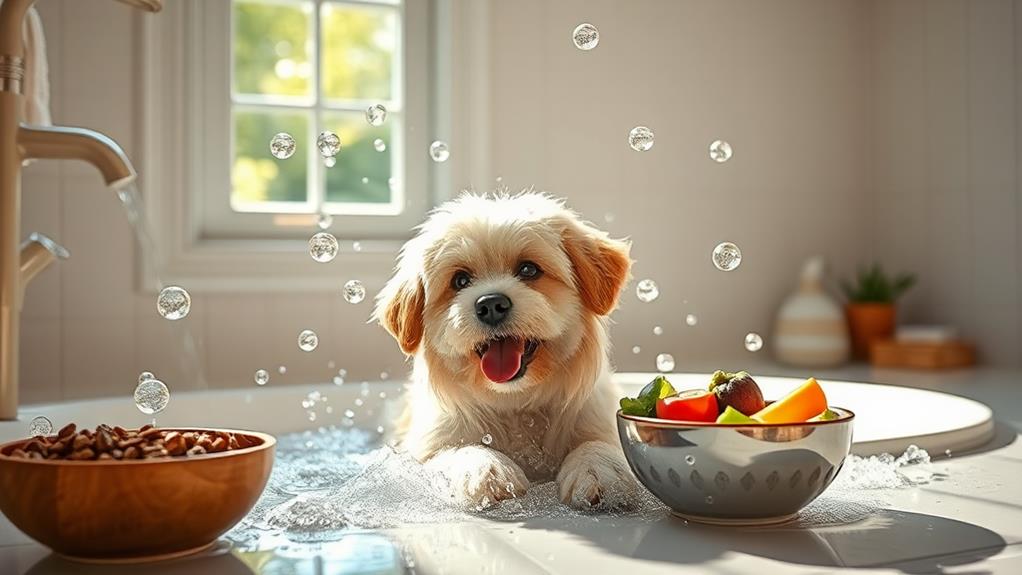
Diet plays a significant role in your dog's overall health and can directly impact how they smell. If your pup's diet consists primarily of low-quality kibble or unhealthy treats, it could lead to unpleasant odors.
Consider switching to high-quality dog food that lists meat as the first ingredient. This not only provides essential nutrients but can also help reduce odors stemming from poor digestion.
You might also want to incorporate fresh fruits and vegetables into your dog's diet. Foods like carrots, apples, and pumpkin can aid digestion and promote a healthy coat, which might help minimize bad smells.
Additionally, be cautious with human food; some items can upset your dog's stomach and contribute to unpleasant odors.
Hydration is just as important as diet. Make sure your dog always has access to fresh water.
Dehydration can lead to concentrated urine and feces, which can smell stronger.
Keeping Your Home Fresh
When it comes to keeping your home fresh and free from dog odors, regular cleaning is essential.
By incorporating a few simple habits into your routine, you can create a welcoming environment for both your family and guests.
Here are three effective strategies to help you maintain a fresh-smelling home:
1. Vacuum Frequently: Dog hair and dander can cling to carpets and furniture, so make it a point to vacuum at least once a week. This will help minimize odors and allergens.
2. Wash Bedding Regularly: Your dog's bedding can be a major source of unpleasant smells. Wash it weekly with pet-safe detergent to keep it fresh.
Don't forget to clean your own bedding too, as it can trap dander and odors.
3. Use Air Purifiers: Consider investing in an air purifier with a HEPA filter. This will help filter out pet dander and odors from the air, improving the overall freshness of your home.
When to See a Veterinarian
How can you tell if your dog's odor is a sign of something more serious? If your furry friend suddenly develops a strong, persistent smell, it might indicate an underlying health issue.
Pay attention to changes in their odor, especially if it's accompanied by other symptoms, like lethargy, changes in appetite, or unusual behavior.
Certain smells can signal specific problems. A fishy odor might suggest a dental issue or anal gland problem, while a yeasty scent could indicate a skin infection or allergies.
If you notice a bad smell coming from your dog's ears, it might be a sign of an ear infection.
Don't hesitate to consult your veterinarian if you're concerned. They can diagnose the issue and recommend appropriate treatments.
Regular veterinary check-ups are also essential for overall health, as they can help catch potential problems before they escalate.
Your dog deserves a happy, healthy life, and addressing any signs of discomfort is a crucial part of that.
Frequently Asked Questions
Can Certain Dog Breeds Smell Worse Than Others?
Yes, certain dog breeds do tend to smell worse than others. Breeds with oily coats, like Bloodhounds, often retain odors. Regular grooming and bathing can help manage any unpleasant smells you might encounter.
How Often Should I Brush My Dog's Teeth?
You should brush your dog's teeth at least two to three times a week. Regular brushing helps prevent dental issues and keeps their breath fresh. It's a simple way to show your love and care!
What Home Remedies Help Reduce Dog Odor?
You might find it surprising that simple ingredients like baking soda and vinegar can freshen your dog's scent. While you care for your pup, these remedies can enhance their comfort, making both of you feel happier together.
Does My Dog's Age Affect Its Odor?
Yes, your dog's age can affect its odor. As dogs age, their skin and coat may change, leading to different smells. Regular grooming and vet check-ups help manage these changes and keep your pet smelling fresh.
Can Stress Cause My Dog to Smell Bad?
Could stress really make your dog smell bad? Absolutely! When dogs experience anxiety, their bodies can react in ways that lead to unpleasant odors. Keeping your pup calm and relaxed can help manage this issue effectively.
Conclusion
By tackling the source of your dog's odor, you'll not only enjoy their company more but also strengthen your bond. Regular baths, grooming, and dental care can work wonders, and you might even find that a few dietary tweaks lead to unexpected changes in their energy levels! Keeping your home fresh ties it all together. If odors persist, a vet visit can uncover hidden issues, ensuring your furry friend stays happy and healthy. You both deserve that!

Carlos Rodriguez is the Senior Product Reviewer at DogShampooReviews.com. With over 15 years of experience in canine grooming and skincare, Carlos brings a wealth of knowledge and passion to our team. His journey began at a young age, growing up on a family farm where he was surrounded by dogs of all breeds and sizes. This early exposure ignited his lifelong dedication to animal care and well-being.
Professional Background
- Certified Dog Groomer: Carlos is a certified professional groomer who has worked in some of the top grooming salons across the country. His expertise spans various grooming techniques suitable for different breeds and coat types.
- Canine Skincare Specialist: Recognizing the importance of skin health in dogs, Carlos pursued additional certifications in dermatological care for canines, specializing in treating skin conditions and allergies.
- Product Testing Expert: With a meticulous eye for detail, Carlos rigorously tests dog shampoos and grooming products, evaluating them on ingredients, efficacy, safety, and overall quality.
Passion for Dogs
Carlos’s love for dogs goes beyond his professional life. He is an active volunteer at local animal shelters, providing grooming services to help adoptable dogs look and feel their best. His own rescued dogs, Bella and Rocky, are often the first to try out new products, ensuring his reviews come from genuine experiences.
Why Trust Carlos
- Unbiased Reviews: Committed to integrity, Carlos ensures all his reviews are honest and based on thorough testing.
- Expert Insight: His extensive knowledge allows him to break down complex information into understandable advice for dog owners.
- Community Engagement: Carlos actively engages with our readers, answering questions and providing personalized recommendations.