To detangle your dog's fur after a bath, first assess its condition for mats and knots. Gather essential tools like a slicker brush, wide-toothed comb, and detangling spray. Start with damp fur, applying the spray evenly, and work from the bottom of the knots upwards. Focus on small sections to make the process manageable and use gentle strokes to avoid discomfort. Take breaks and reward your pup with treats to keep them calm. Regular grooming will help minimize tangles in the future, ensuring smoother sessions moving forward. There's more to explore on maintaining your furry friend's coat!
Key Takeaways
- Assess the dog's fur condition and identify any mats or knots before starting the detangling process.
- Gather essential grooming tools like a slicker brush, wide-toothed comb, and detangling sprays for effective results.
- Apply detangling spray evenly on damp fur to soften tangles and make combing easier.
- Work in small sections, starting from the tips of the fur and moving towards the roots for gentle detangling.
- Reward the dog with treats and praise to encourage a positive grooming experience and build trust.
Assess the Condition of Fur
Before you tackle the tangles, it's crucial to assess the condition of your dog's fur. Start by examining the overall texture and length. Is it matted or knotted? Look closely for any areas that feel coarse or have clumps. These signs indicate where you'll need to focus your attention.
Next, check for any skin irritations or redness that might be hiding beneath the fur. If you notice any issues, it's essential to address those before you begin detangling. Your dog's comfort and health should always come first.
Also, consider the type of coat your dog has. Long-haired breeds may require different approaches than short-haired ones. For instance, a thick, double coat can be more challenging than a sleek, single coat, so adjust your techniques accordingly.
Gather Necessary Tools
Before you start detangling your dog's fur, you'll need to gather the right tools.
Essential grooming tools, along with some effective detangling sprays, can make a big difference in the process.
Once you've got everything ready, you can explore the best combing techniques to keep your pup's coat looking great.
Essential Grooming Tools
To effectively detangle your dog's fur, you'll need to gather a few essential grooming tools that make the process smoother and more efficient.
Start with a good quality slicker brush; its fine bristles work wonders at removing knots and loose hair. A wide-toothed comb is also crucial, especially for working through larger tangles without pulling too hard on your dog's skin.
Don't forget a dematting tool or rake if your dog has particularly thick or curly fur. These tools are specifically designed to break apart stubborn mats. A pin brush can also be helpful for fluffing and smoothing your dog's coat after detangling, giving it a polished look.
Lastly, keep some grooming gloves handy. They can help remove loose fur and give your dog a gentle massage, making the process more enjoyable for both of you.
Having these tools ready won't only make your job easier but will also enhance your dog's grooming experience. Remember, the right tools can make all the difference, ensuring you serve your furry friend with care and compassion.
Detangling Sprays Options
Detangling sprays can be a game changer when it comes to managing your dog's fur. These sprays help to ease knots and mats, making the grooming process smoother and more enjoyable for both you and your furry friend.
Here are some options to consider as you gather your tools:
- Water-Based Sprays: These are lightweight and ideal for everyday use. They hydrate the fur and help in loosening tangles without weighing it down.
- Leave-In Conditioners: Infused with nourishing ingredients, these sprays not only detangle but also provide moisture and shine to your dog's coat.
- Natural Sprays: If you prefer organic products, look for sprays made from natural ingredients. They're gentle on your dog's skin and coat, reducing the risk of irritation.
- Specialty Detanglers: Some sprays are specifically formulated for certain coat types, like long-haired or curly fur. These can be particularly effective in tackling stubborn knots.
Select the right detangling spray that suits your dog's coat type and needs. With the right tools, you'll make the grooming process a breeze!
Combing Techniques Explained
While grooming your dog, having the right tools is essential for effective combing. Start with a good quality comb designed for your dog's coat type. A wide-toothed comb works wonders for detangling, especially for longer fur.
If your dog has a thicker or curlier coat, consider using a slicker brush to help remove knots and loose hair.
Don't forget a dematting tool for those stubborn tangles. These tools have sharp blades that can gently cut through mats without hurting your dog.
Additionally, you might want to use a pin brush for a final touch, ensuring the fur looks smooth and polished.
Always have some detangling spray on hand. This can make the combing process easier and more comfortable for your furry friend.
Lastly, remember to keep treats nearby. Rewarding your dog during the grooming process can create a positive experience, encouraging them to stay calm and cooperative.
With the right tools and a gentle approach, you'll not only make combing more effective but also strengthen your bond with your beloved pet. Happy grooming!
Apply Detangling Spray
Once you've picked the right detangling spray for your dog's fur, it's time to apply it effectively.
You'll want to know the best techniques to ensure even coverage and minimize discomfort for your pup.
Let's explore how to get the most out of your detangling spray for a smooth grooming experience.
Choosing the Right Spray
When it comes to keeping your dog's fur tangle-free, choosing the right detangling spray is essential. The right product can make a significant difference in how easily you can brush through your dog's coat after a bath.
Here are some factors to consider when selecting a detangling spray:
- Ingredients: Look for sprays with natural, non-toxic ingredients. Avoid harsh chemicals that could irritate your dog's skin.
- Type of Coat: Consider your dog's specific coat type. Some sprays are formulated for long-haired breeds, while others work best for short-haired dogs.
- Fragrance: Choose a scent that you and your dog will enjoy. A pleasant fragrance can make grooming a more enjoyable experience for both of you.
- Ease of Use: Select a spray that's easy to apply and spreads evenly. You want to ensure that you can easily work it through your dog's fur without creating additional tangles.
Application Techniques Explained
Choosing the right detangling spray sets the stage for effective grooming, but how you apply it makes all the difference. Start by ensuring your dog's fur is damp but not soaking wet. Hold the detangling spray about 6 to 8 inches away from your dog. This distance helps you apply the spray evenly without saturating the fur.
Divide your dog's coat into sections to make the process more manageable. Spray a light mist over one section, being careful to cover all tangles and knots without over-saturating. As you apply the spray, use your fingers to gently work it into the fur. This helps distribute the product and makes it easier to detangle.
After spraying, allow the product to sit for a minute or two. This gives it time to penetrate the fur and loosen the knots.
Use a wide-tooth comb or a slicker brush to start detangling, beginning at the ends and gradually working your way up. Remember, patience is key. By taking your time and using the right techniques, you'll not only help your dog feel comfortable but also foster a positive grooming experience for both of you.
Start From the Bottom
To effectively detangle your dog's fur, start from the bottom of the mat or knot. This approach minimizes discomfort for your furry friend and helps you tackle the toughest tangles first. By addressing the lower sections, you can gradually work your way up, preventing the mat from becoming tighter as you pull.
Here's how to proceed:
- Separate the Fur: Use your fingers to gently separate the fur around the knot, making it easier to see what you're dealing with.
- Apply Detangler: If you have a detangling spray, apply a small amount to the mat. This can help soften the fur and make it easier to work through.
- Work in Sections: Divide the mat into smaller sections. This way, you can focus on one area at a time without feeling overwhelmed.
- Be Gentle: Always use a gentle touch. If you encounter resistance, stop and readjust rather than tugging, which can hurt your dog.
Use the Right Brush
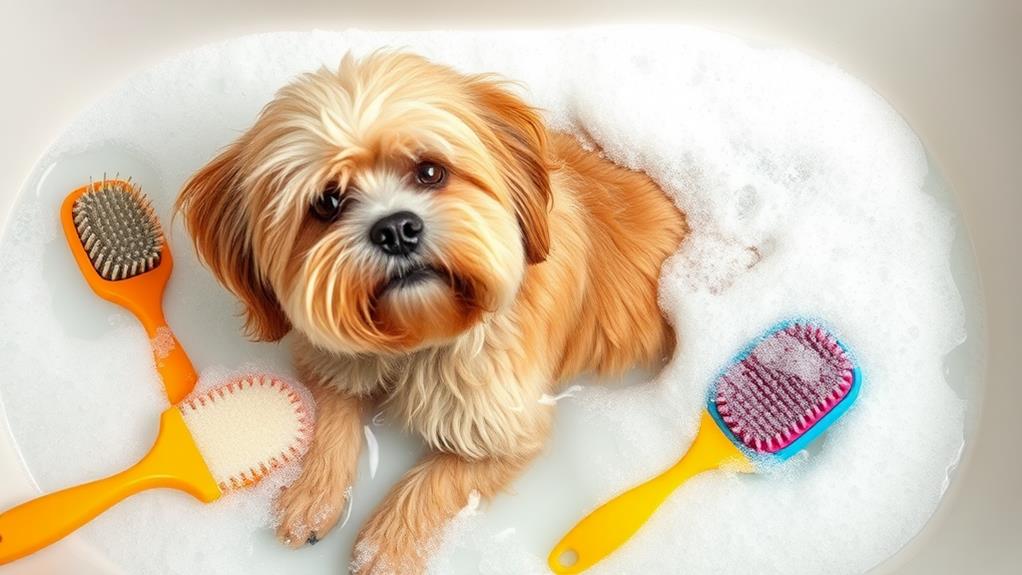
Selecting the right brush can make a significant difference in detangling your dog's fur effectively. Different breeds have varying coat types, and using the correct brush for your dog's specific fur can help you work through tangles with ease.
For example, if your dog has long or thick fur, a slicker brush or a wide-toothed comb is ideal. These tools help to gently break apart knots without pulling too much on the skin.
On the other hand, if your dog has short hair, a bristle brush is often enough to remove loose hair and dirt. This brush can also help distribute natural oils, promoting a healthy shine in your dog's coat.
When choosing a brush, consider your dog's sensitivity as well. If they tend to flinch or show discomfort, opt for softer bristles or a gentler tool.
Remember, brushing isn't just about detangling; it's also a bonding experience. Your dog will appreciate your gentle touch and attention.
Work in Small Sections
Tackling your dog's tangles can be much more manageable when you work in small sections. Instead of trying to detangle the entire coat at once, focus on smaller areas. This approach not only makes the task less overwhelming but also ensures you're thorough, giving each section the attention it deserves.
Here's how to effectively work in small sections:
- Divide the Coat: Use your fingers or a comb to separate your dog's fur into four manageable sections—front, back, left side, and right side.
- Start from the Bottom: Begin detangling at the tips of the fur and gradually work your way up to the roots. This method minimizes stress on the hair and skin.
- Use the Right Tools: Select an appropriate brush or comb for each section, based on your dog's coat type. This will make the detangling process smoother and more efficient.
- Check for Matting: While you work through each section, look for any mats or knots that need special attention, ensuring you address all tangles.
Be Gentle and Patient
When you're detangling your dog's fur, being gentle and patient is key. Your furry friend may feel anxious or uncomfortable, especially after a bath. Taking your time helps build trust and makes the experience more enjoyable for both of you.
Start by softly brushing through the fur, using a detangling spray if needed, and remember to work slowly.
If you encounter a tough knot, resist the urge to pull hard. Instead, hold the hair near the base to prevent tugging at the skin, and gently tease the knot apart using your fingers or a wide-toothed comb. This approach minimizes discomfort and encourages cooperation from your dog.
If your dog starts to squirm or appears stressed, take a break. This isn't just about getting the job done; it's about caring for your pet's emotional well-being, too.
Patience goes a long way; sometimes, it might take several short sessions to fully detangle their fur. Throughout the process, stay calm and soothing, as your demeanor influences your dog's comfort level.
Reward Your Dog
To keep your dog motivated during the detangling process, reward them with treats and praise. This positive reinforcement makes the experience more enjoyable for both of you. When your dog associates detangling with rewards, they're more likely to stay calm and cooperative.
Here are some effective ways to reward your dog during the process:
- Treats: Offer small, tasty treats every few minutes. Choose something special they don't get often to keep them engaged.
- Verbal Praise: Use an upbeat tone to praise your dog as you work. Saying things like "Good boy!" or "You're doing great!" boosts their confidence.
- Gentle Petting: While you detangle, take breaks to gently pet and stroke your dog. This reinforces a sense of comfort and trust.
- Playtime: After the detangling session, reward your dog with a short play session. A game of fetch or tug-of-war can be a great way to celebrate their cooperation.
Maintain Regular Grooming
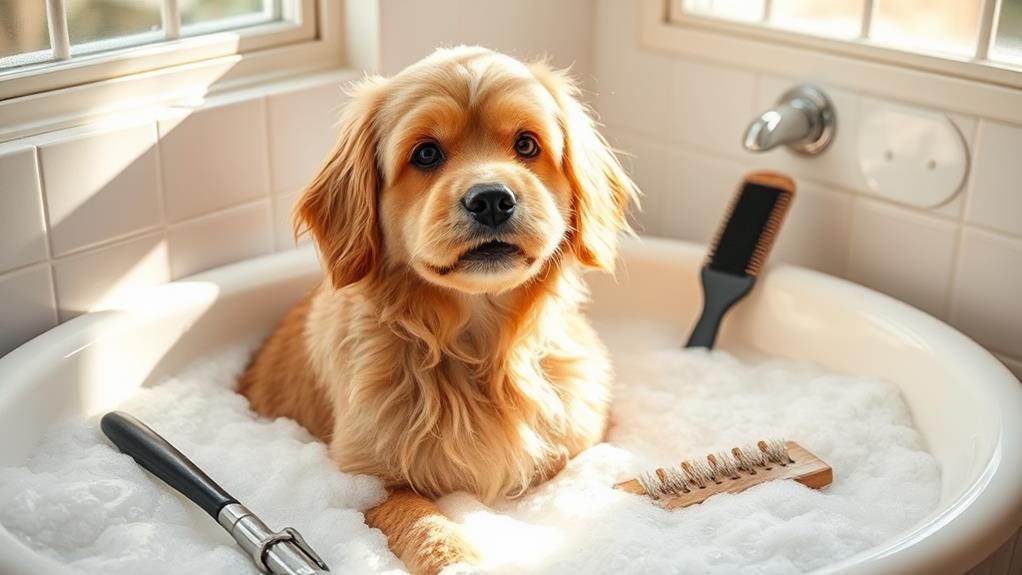
Maintaining regular grooming is key to preventing tangles and mats in your dog's fur. By establishing a consistent grooming routine, you can keep your dog's coat healthy and manageable. Aim to brush your dog at least once a week, or more often if you have a long-haired breed.
When you groom, focus on the areas that tend to mat easily, such as behind the ears, under the legs, and around the tail. Use a quality brush that suits your dog's coat type. For example, a slicker brush works well for long-haired dogs, while a bristle brush is great for short-haired breeds.
Don't forget to check for dirt, debris, or parasites during grooming. This not only helps keep your dog clean but also allows you to spot any potential skin issues early on.
Bathing your dog every few months is also beneficial, but remember to dry and brush thoroughly afterward. Combined with regular grooming, this will make detangling much easier.
Frequently Asked Questions
How Often Should I Bathe My Dog to Prevent Tangling?
You should bathe your dog every four to six weeks, depending on their coat type and activity level. Regular baths help reduce dirt and tangles, keeping your furry friend clean and comfortable between grooming sessions.
Can I Use Human Conditioner on My Dog's Fur?
Using human conditioner on your dog's fur might seem convenient, but it can irritate their skin. Instead, opt for pet-specific conditioners, ensuring your furry friend stays comfortable and well-groomed without any adverse reactions.
What Should I Do if My Dog Resists Brushing?
If your dog resists brushing, try to make it a positive experience. Use treats, gentle praise, or short sessions. Gradually introduce the brush and keep it fun, so your dog associates it with good things.
Is There a Specific Brush Type for Each Dog Breed?
Every dog's coat is like a unique canvas, needing the right brush to enhance its beauty. You'll want to match brush types to your dog's breed for effective grooming. It makes a world of difference!
How Can I Prevent Tangles Before They Happen?
To prevent tangles, you should regularly brush your dog's fur, especially in high-risk areas. Keeping their coat clean and well-groomed helps minimize mats. Consider using a leave-in conditioner for added moisture and protection.
Conclusion
Detangling your dog's fur after a bath is more than just grooming; it's a moment to bond and show your love. Think of each gentle stroke as weaving a tapestry of trust between you and your furry friend. With patience and care, you'll transform those tangled strands into a silky coat, just like sunlight breaking through clouds. By maintaining regular grooming, you'll keep that bond strong and your dog's fur shining bright, ready for any adventure together.

Carlos Rodriguez is the Senior Product Reviewer at DogShampooReviews.com. With over 15 years of experience in canine grooming and skincare, Carlos brings a wealth of knowledge and passion to our team. His journey began at a young age, growing up on a family farm where he was surrounded by dogs of all breeds and sizes. This early exposure ignited his lifelong dedication to animal care and well-being.
Professional Background
- Certified Dog Groomer: Carlos is a certified professional groomer who has worked in some of the top grooming salons across the country. His expertise spans various grooming techniques suitable for different breeds and coat types.
- Canine Skincare Specialist: Recognizing the importance of skin health in dogs, Carlos pursued additional certifications in dermatological care for canines, specializing in treating skin conditions and allergies.
- Product Testing Expert: With a meticulous eye for detail, Carlos rigorously tests dog shampoos and grooming products, evaluating them on ingredients, efficacy, safety, and overall quality.
Passion for Dogs
Carlos’s love for dogs goes beyond his professional life. He is an active volunteer at local animal shelters, providing grooming services to help adoptable dogs look and feel their best. His own rescued dogs, Bella and Rocky, are often the first to try out new products, ensuring his reviews come from genuine experiences.
Why Trust Carlos
- Unbiased Reviews: Committed to integrity, Carlos ensures all his reviews are honest and based on thorough testing.
- Expert Insight: His extensive knowledge allows him to break down complex information into understandable advice for dog owners.
- Community Engagement: Carlos actively engages with our readers, answering questions and providing personalized recommendations.