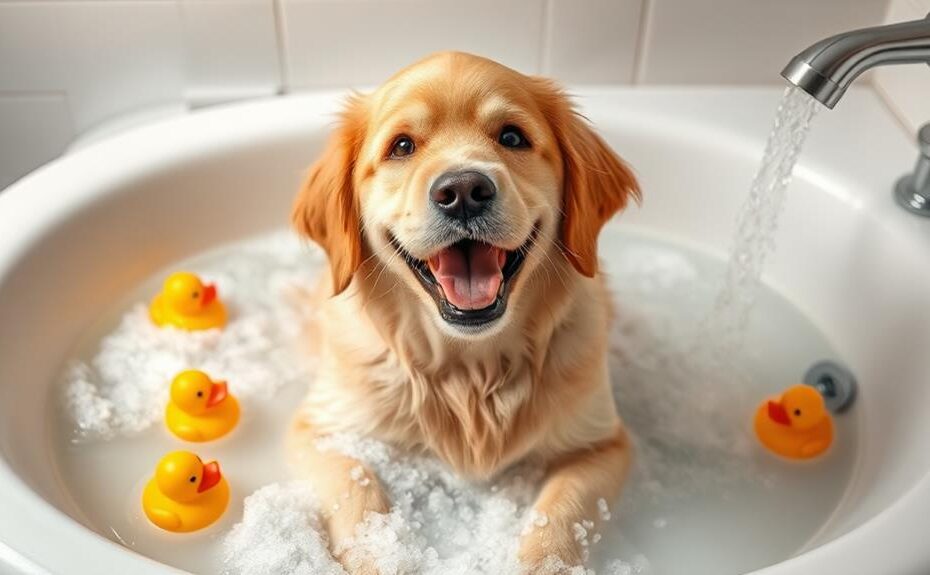
When bathing a dog with allergies, start by gathering hypoallergenic shampoo, towels, and a non-slip mat. Choose a calm, warm space, and use lukewarm water to keep your dog comfortable. Gently massage the shampoo into their coat, avoiding sensitive areas, and rinse thoroughly to remove all soap residue. Afterward, gently towel dry your dog and provide a comfortable spot for them to relax. Keep an eye out for any reactions post-bath, as monitoring is essential. This process can be a bit tricky, but there's plenty more you can learn about effective techniques to keep your pup happy and healthy.
Key Takeaways
- Use a hypoallergenic shampoo free of fragrances and harsh chemicals to avoid skin irritation during bath time.
- Prepare a calm environment and gather all necessary supplies before starting the bath to reduce stress for the dog.
- Bathe the dog with lukewarm water, applying shampoo gently and rinsing thoroughly to remove all residue.
- Dry the dog with soft towels, and consider using a hairdryer on a low setting if the dog is comfortable with it.
- Monitor the dog for any allergic reactions post-bath, noting symptoms like excessive scratching or redness for potential follow-up with a veterinarian.
Understanding Dog Allergies
Understanding dog allergies is essential for providing the best care for your furry friend. Allergies can manifest in various ways, including skin irritations, excessive itching, and gastrointestinal issues. You might notice your dog scratching more than usual or having red, inflamed skin. These symptoms can be triggered by environmental factors like pollen, dust mites, or certain foods.
Pay close attention to your dog's behavior and any changes in their skin or coat. It's crucial to identify potential allergens to ensure their comfort. If you suspect your dog has allergies, consult your veterinarian for an accurate diagnosis. They can perform tests to pinpoint the specific triggers affecting your pet.
In addition to environmental allergens, some dogs may be sensitive to certain ingredients in their food. A balanced diet plays a significant role in maintaining your dog's overall health, so consider discussing dietary options with your vet.
Being proactive about your dog's allergies will help you create a safe and comfortable environment for them. Understanding these issues not only benefits your pet but also strengthens the bond you share. Your dedication to their well-being is commendable and vital for their happiness.
Choosing the Right Shampoo
When it comes to bathing your dog with allergies, choosing the right shampoo is crucial.
You'll want to look for hypoallergenic options that include natural ingredients and maintain a balanced pH.
This careful selection can help soothe your dog's skin and prevent allergic reactions during bath time.
Hypoallergenic Shampoo Options
Choosing the right hypoallergenic shampoo for your dog is crucial to managing their allergies effectively. When you're selecting a shampoo, look for products specifically labeled as hypoallergenic. These shampoos are designed to minimize the risk of allergic reactions, and they often contain fewer irritants than regular options.
Check the ingredient list carefully. Avoid shampoos with artificial fragrances, dyes, or harsh chemicals, as these can exacerbate your dog's sensitivities. Instead, opt for gentle, soothing formulas that are pH-balanced for your dog's skin.
It's also wise to consider shampoos enriched with moisturizing ingredients to help maintain your pet's skin barrier. You might find it helpful to consult your veterinarian for recommendations. They can guide you toward brands that have successfully worked for other dogs with similar allergies.
Additionally, reading reviews from other pet owners can provide valuable insights into the effectiveness of different shampoos.
Natural Ingredients to Consider
Selecting a shampoo that contains natural ingredients can greatly benefit your dog with allergies. These gentle, plant-based options can help soothe irritated skin and reduce allergic reactions.
Here are three natural ingredients you should consider when choosing the right shampoo for your furry friend:
- Aloe Vera: Known for its calming properties, aloe vera can hydrate your dog's skin while providing relief from itching and irritation.
- Oatmeal: This ingredient is a classic for a reason! Oatmeal is excellent for soothing inflamed skin and can help relieve dryness, making bath time a pleasant experience for your dog.
- Coconut Oil: Rich in fatty acids, coconut oil not only moisturizes your dog's skin but also has antifungal and antibacterial properties, helping to prevent infections that could exacerbate allergies.
When selecting a shampoo, always read the label to ensure it's free from harsh chemicals and artificial fragrances.
Ph Balance Importance
Understanding pH balance is vital for maintaining your dog's skin health, especially if they've allergies. The skin's natural pH level typically ranges from 6 to 7.5, and using a shampoo that aligns with this balance can make a significant difference in your dog's comfort and overall health.
When you choose a shampoo, look for products specifically formulated for dogs with allergies. These shampoos should be pH-balanced to prevent irritation and maintain the skin's protective barrier.
Avoid human shampoos, as they often have a different pH that can disrupt your dog's skin, leading to dryness or further allergic reactions.
Opt for natural, hypoallergenic ingredients that nourish and soothe the skin. Ingredients like oatmeal or aloe vera can be especially beneficial.
Always read product labels carefully, ensuring that the shampoo is free from harsh chemicals and artificial fragrances.
Before bathing, consider doing a patch test with the shampoo on a small area of your dog's skin to ensure there's no adverse reaction.
Preparing for Bath Time
Before you start bathing your dog, make sure you've gathered all the necessary supplies.
This includes hypoallergenic shampoo and any other tools you'll need.
Being prepared will help make bath time smoother and more enjoyable for both you and your pup.
Gather Necessary Supplies
Preparing for bath time involves gathering all the necessary supplies to ensure your dog's comfort and safety.
It's important to have everything ready before you start, so your pup feels relaxed and secure during the process.
Here's a quick checklist of items you'll need:
- Gentle Towels: Choose soft, absorbent towels to dry your dog after the bath. This helps keep them warm and cozy.
- Non-Slip Mat: A non-slip mat in the bathing area prevents any accidental slips, making bath time safer for your furry friend.
- Brush: A suitable brush for your dog's coat type helps remove dirt and loose fur, making the bathing process easier.
Choose Hypoallergenic Products
When it comes to bathing a dog with allergies, selecting the right products is crucial. You want to ensure you're using hypoallergenic shampoos and conditioners specifically designed for sensitive skin. These products are formulated to minimize irritation and are free from harsh chemicals, dyes, and fragrances that could trigger allergic reactions.
Start by reading labels carefully. Look for terms like "hypoallergenic," "gentle," or "sensitive skin." Brands that are veterinarian-recommended often provide a safer option, so consider seeking their advice if you're unsure.
It's also a good idea to opt for products that contain natural ingredients, like oatmeal or aloe vera, which can soothe your dog's skin.
Before bathing, test a small amount of the product on a patch of your dog's skin to ensure there's no adverse reaction. If your dog has specific allergies, consulting your vet can help identify which ingredients to avoid.
Setting Up the Bath Area
Creating an optimal bath area for your dog with allergies is crucial to ensure a stress-free experience. Start by selecting a space that's easy to clean and has good drainage, like a bathtub or a large sink.
Keep the area warm and calm—this helps your dog feel secure and relaxed.
Here are three essential items to prepare:
- Non-slip mat: Place a rubber mat in the bottom of the tub or sink to prevent slips. This'll make your dog feel more stable and less anxious during the bath.
- Gentle water source: Use a handheld showerhead or a cup to control the flow of water. It allows you to rinse your dog without overwhelming them.
- Towels: Have several towels on hand for drying off after the bath. A soft, absorbent towel can also provide comfort, especially if your dog is a bit nervous.
Bathing Techniques for Allergic Dogs
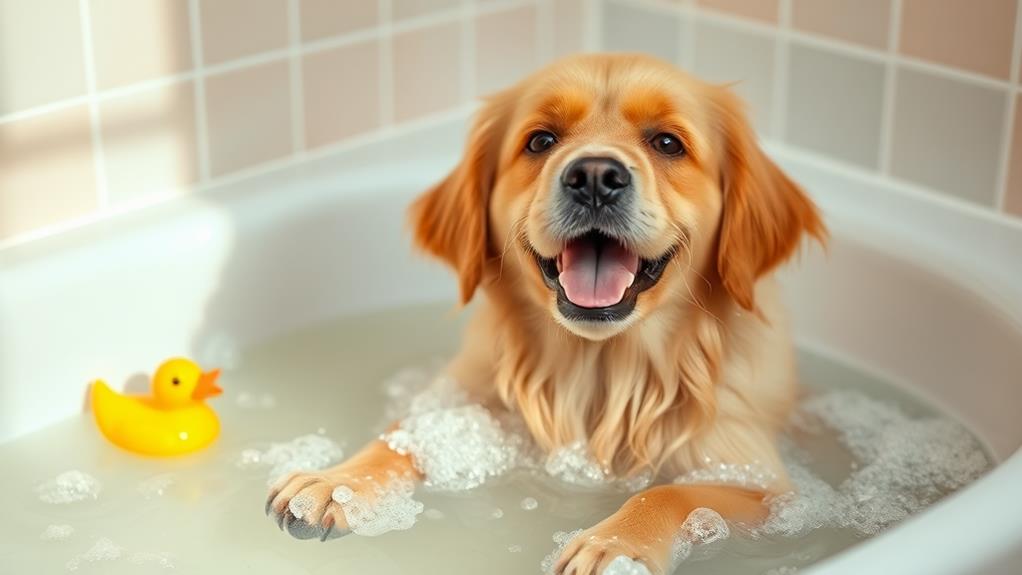
Bathing a dog with allergies requires a gentle approach to avoid irritation and discomfort. Start by using lukewarm water; it's soothing and helps keep your dog calm.
When you're ready to bathe, use a hypoallergenic dog shampoo that's free from harsh chemicals or fragrances. This will minimize the risk of allergic reactions while effectively cleaning your pup's coat.
As you begin, speak softly to reassure your dog. Use a handheld showerhead or a cup to wet their fur, making sure to avoid the eyes and ears.
Apply the shampoo gently, using your fingertips to massage it into their coat, focusing on areas prone to dirt or irritation. Keep the bathing session brief to prevent stress and discomfort.
If your dog enjoys toys, consider bringing one along to distract them during the bath. After lathering, thoroughly rinse their coat, ensuring you remove all shampoo residue. This step is crucial, as leftover soap can exacerbate skin sensitivity.
Rinsing Properly
To ensure your dog's skin stays healthy and irritation-free, rinsing properly is essential after applying shampoo. If you don't rinse thoroughly, residue can linger on their skin, leading to further allergies or irritation.
Here are three key steps to rinse your dog effectively:
- Use lukewarm water: Start with lukewarm water to make the experience comfortable for your dog. Cold water can be shocking, while hot water can irritate their skin.
- Rinse from the neck down: Focus on rinsing from the neck down, avoiding the eyes and ears. This helps prevent any shampoo from running into sensitive areas, which can cause discomfort.
- Check for suds: After rinsing, take a moment to feel for any remaining suds. If you feel any, keep rinsing until the water runs clear. This ensures you've removed all shampoo, which is vital for your dog's sensitive skin.
Drying Your Dog Safely
Drying your dog safely is just as important as the bathing process itself, especially for dogs with allergies. After rinsing, gently squeeze out excess water from their coat. Avoid rubbing vigorously, as this can irritate the skin or worsen allergies.
Instead, use a soft, absorbent towel to pat your dog dry, focusing on sensitive areas like the ears and underbelly where moisture can linger.
If your dog tolerates it, a hairdryer on the lowest setting can be an effective option. Keep it at a safe distance to prevent overheating, and always check the air temperature to ensure it's comfortable. Move the dryer constantly, never focusing on one spot for too long.
For dogs that are anxious about noise, consider air-drying in a warm, draft-free area. Ensure your dog is comfortable and calm during this process. You might also want to engage them with soothing words or gentle petting to ease any anxiety.
Post-Bath Care Tips
Once your dog is dry, it's important to focus on post-bath care to maintain their comfort and health. Here are some key steps you can take to ensure your furry friend feels their best after a bath:
- Moisturize Their Skin: After bathing, apply a hypoallergenic dog moisturizer to help soothe and hydrate their skin. This can prevent dryness and irritation, especially for dogs with allergies.
- Check for Irritation: Gently inspect your dog's skin for any signs of redness or irritation. If you notice anything unusual, it's wise to consult your vet for advice on how to proceed.
- Create a Calm Environment: After the bath, provide a quiet and comfortable space for your dog to relax. This will help them unwind and feel secure after the bathing process, allowing them to adjust back to their routine.
Monitoring for Reactions
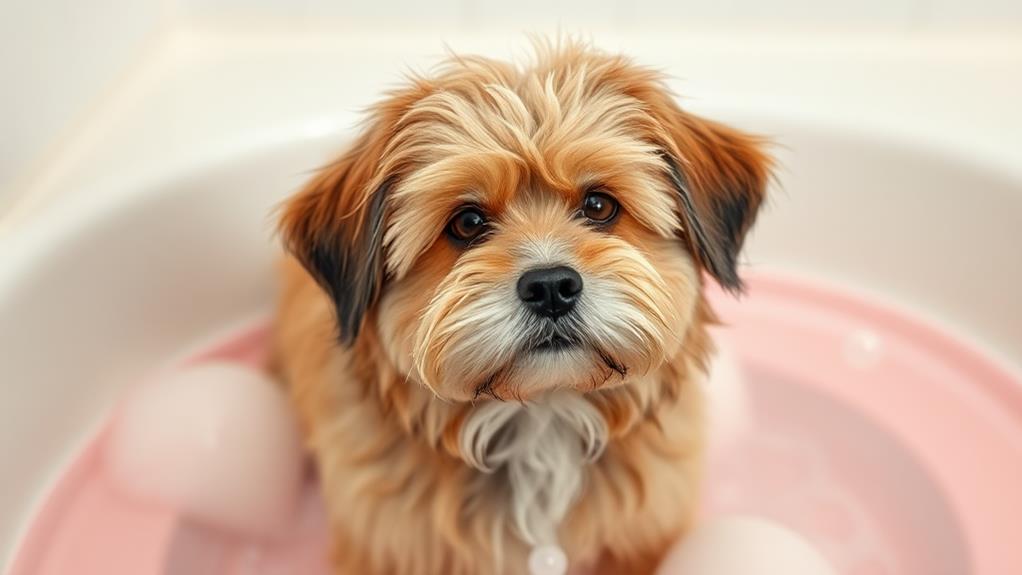
After your dog's bath, keep a close eye on them for any signs of allergic reactions.
It's essential to monitor their behavior and physical condition for at least a few hours. Look for symptoms like excessive scratching, redness, swelling, or any unusual changes in their skin. If you notice any of these signs, it might indicate that the shampoo or water temperature didn't agree with them.
Check their ears, paws, and belly as these areas are often more sensitive.
Pay attention to their energy levels, too; if they seem lethargic or unusually anxious, it could be a reaction.
If your dog exhibits any of these symptoms, don't hesitate to contact your veterinarian. They can provide guidance on the best course of action and may recommend a suitable treatment to soothe your dog's discomfort.
Keeping a written log of your dog's reactions after baths can help you identify patterns over time.
This information can be invaluable for your vet, ensuring your furry friend receives the best care possible.
Always prioritize your dog's well-being and comfort during bath time, and be proactive in addressing any concerns.
Frequently Asked Questions
Can I Use Human Shampoo on My Allergic Dog?
Using human shampoo on your allergic dog isn't recommended. It can irritate their skin and worsen allergies. Instead, opt for a gentle, hypoallergenic dog shampoo designed specifically for sensitive skin to keep them comfortable.
How Often Should I Bathe My Dog With Allergies?
Think of bathing your dog as a gentle rain, washing away discomfort. You should bathe your allergic pup every four to six weeks, but always listen to their needs and adjust based on their skin condition.
What Are Signs of an Allergic Reaction After a Bath?
After a bath, watch for signs like excessive scratching, redness, swelling, or hives. If your dog seems restless or has watery eyes, it might indicate an allergic reaction. Keep an eye on them closely.
Is It Safe to Bathe My Dog During Allergy Season?
Yes, it's generally safe to bathe your dog during allergy season, but you should monitor them closely. Use gentle, hypoallergenic shampoos to minimize irritation, and dry them thoroughly to keep them comfortable afterward.
Should I Consult a Vet Before Bathing My Allergic Dog?
Over 15% of dogs suffer from allergies. You should consult a vet before bathing your allergic dog; they'll offer tailored advice to ensure your furry friend stays comfortable and healthy during grooming sessions.
Conclusion
Bathing a dog with allergies can feel like navigating a minefield, but with the right approach, it doesn't have to be a battle. By using hypoallergenic shampoos and gentle techniques, you can turn bath time into a soothing ritual rather than a chore. Remember, just like a knight protecting their castle, you're safeguarding your furry friend from allergens. Stay vigilant for any reactions afterward, and your loyal companion will thank you with wagging tails and happy barks.

Carlos Rodriguez is the Senior Product Reviewer at DogShampooReviews.com. With over 15 years of experience in canine grooming and skincare, Carlos brings a wealth of knowledge and passion to our team. His journey began at a young age, growing up on a family farm where he was surrounded by dogs of all breeds and sizes. This early exposure ignited his lifelong dedication to animal care and well-being.
Professional Background
- Certified Dog Groomer: Carlos is a certified professional groomer who has worked in some of the top grooming salons across the country. His expertise spans various grooming techniques suitable for different breeds and coat types.
- Canine Skincare Specialist: Recognizing the importance of skin health in dogs, Carlos pursued additional certifications in dermatological care for canines, specializing in treating skin conditions and allergies.
- Product Testing Expert: With a meticulous eye for detail, Carlos rigorously tests dog shampoos and grooming products, evaluating them on ingredients, efficacy, safety, and overall quality.
Passion for Dogs
Carlos’s love for dogs goes beyond his professional life. He is an active volunteer at local animal shelters, providing grooming services to help adoptable dogs look and feel their best. His own rescued dogs, Bella and Rocky, are often the first to try out new products, ensuring his reviews come from genuine experiences.
Why Trust Carlos
- Unbiased Reviews: Committed to integrity, Carlos ensures all his reviews are honest and based on thorough testing.
- Expert Insight: His extensive knowledge allows him to break down complex information into understandable advice for dog owners.
- Community Engagement: Carlos actively engages with our readers, answering questions and providing personalized recommendations.