To get rid of that wet dog smell after bathing, start by drying your dog thoroughly with absorbent towels. Focus on moisture-prone areas like ears and underbelly. Ventilate your home by opening windows and using fans to promote fresh air circulation. Consider using enzyme-based odor neutralizers on dog bedding and toys, and try vinegar or baking soda as natural remedies for lingering odors. Establish a regular cleaning routine to maintain a fresh environment, including frequent washing of dog items. You might find additional tips to ensure your home stays smelling great after bath time.
Key Takeaways
- Bathe your dog thoroughly using a suitable shampoo and focus on odor-prone areas to reduce lingering smells.
- Ensure you dry your dog completely with absorbent towels to prevent damp fur odors.
- Ventilate your home by opening windows and using fans to promote fresh air circulation.
- Utilize enzyme-based odor neutralizers or natural remedies like vinegar and baking soda to combat persistent smells.
- Regularly clean dog bedding and toys, and maintain a grooming routine to minimize odor buildup.
Understanding the Wet Dog Smell
Understanding the wet dog smell starts with recognizing the unique combination of factors that contribute to it. When your furry friend gets wet, their coat traps moisture, allowing bacteria and yeast to thrive. This is particularly true for dogs with thick or long fur.
The natural oils in their skin can also mix with water and dirt, creating that unmistakable odor. You might notice that certain breeds are more prone to this smell due to their coat type or skin conditions.
It's important to pay attention to your dog's hygiene and health, as underlying issues can exacerbate the odor. Regular grooming helps manage the build-up of dirt and oils, reducing the intensity of the smell.
Additionally, your home environment plays a role. Damp areas can encourage the smell to linger, especially if your dog spends time in those spaces.
Keeping your living space clean and well-ventilated can significantly help. By understanding these factors, you're better equipped to identify the source of the wet dog smell, allowing you to take proactive steps to ensure your home remains pleasant for both you and your guests.
Bathing Techniques to Reduce Odor
To tackle the wet dog smell effectively, proper bathing techniques can make a big difference. Start by choosing a suitable bathing location, whether it's a bathtub, shower, or outdoor space. Make sure your dog feels comfortable and secure, which helps reduce anxiety during bath time.
Use warm water—not too hot, not too cold—to create a pleasant bathing experience.
Next, wet your dog thoroughly before applying any shampoo. This ensures an even lather, helping to lift away dirt and odors. Work the shampoo into your dog's coat gently but thoroughly, making sure to reach the undercoat. Pay special attention to areas prone to odor, like the paws and ears.
After rinsing, repeat the process if your dog is particularly smelly. A second wash can significantly reduce lingering scents.
Finally, dry your dog properly with a towel or a pet-friendly blow dryer on a low setting. Ensure they're completely dry, as damp fur can harbor odors.
Choosing the Right Dog Shampoo
When it comes to combating that wet dog smell, choosing the right shampoo is crucial for your furry friend's hygiene. Look for a dog shampoo specifically formulated for their skin type. If your dog has sensitive skin or allergies, opt for hypoallergenic or oatmeal-based options. These gentle formulas cleanse without stripping essential oils, keeping their coat healthy and smelling fresh.
You'll also want to consider any specific needs your dog might have. For instance, if your pup has a strong odor, a deodorizing shampoo can help neutralize those unwanted smells. There are even medicated shampoos available for skin issues or infections, so consult your vet if you're uncertain about what to choose.
Avoid human shampoos, as they can disrupt your dog's pH balance and lead to irritation. Instead, choose natural ingredients whenever possible; they're better for your dog's skin and the environment.
Pay close attention to your dog's coat and skin condition after bathing. If you notice any adverse reactions, it might be time to switch to a different shampoo.
Drying Your Dog Properly
After giving your dog a bath, it's crucial to dry them properly to prevent that wet dog smell.
Start by using absorbent towels to soak up excess moisture, then consider employing a hair dryer on a low setting for those hard-to-reach spots.
This will help keep your pup fresh and reduce any lingering odors.
Use Absorbent Towels
Using absorbent towels is essential for effectively drying your dog and minimizing that wet dog smell. After bath time, grab a few high-quality, absorbent towels to help you tackle the moisture.
Start by wrapping your furry friend in a towel, gently patting rather than rubbing. This approach not only dries their coat but also feels soothing to them, making it a pleasant experience.
Focus on areas that tend to retain moisture, like the ears, paws, and underbelly. Don't forget to check between their toes and around their collar, as water can hide there too.
If your dog has long or thick fur, consider using multiple towels to ensure thorough drying.
Once you've soaked up as much water as possible, allow your dog to shake off any remaining moisture. This natural behavior can help, and it's also entertaining to watch!
Employ a Hair Dryer
Employing a hair dryer can be an effective way to dry your dog and reduce that lingering wet dog smell. Start by choosing a low or medium heat setting to ensure your furry friend stays comfortable during the drying process.
Keep the dryer at a safe distance, about six inches away from your dog's skin, to prevent burns. As you dry your dog, move the dryer in a sweeping motion, ensuring you cover all areas, especially the underbelly and between the paws.
If your dog seems anxious, let them sniff the dryer first or give them treats to create a positive experience. This can help them associate the sound and sensation with something enjoyable.
Pay close attention to their ears and tail, as moisture can linger there. Once your dog is dry, give them a gentle brush; this not only helps remove loose fur but also enhances their coat's appearance.
Ventilating Your Home
A well-ventilated home is essential for keeping those unwanted wet dog odors at bay. When your furry friend gets a bath, the moisture in the air can linger, trapping those smells. Open your windows to let fresh air circulate throughout your space.
If it's too cold or rainy outside, turn on ceiling fans or portable fans to encourage airflow.
You might also consider using an air purifier. These devices can help filter out unpleasant odors, making your home feel fresher.
Ensure you keep doors open between rooms to promote air movement, especially in areas where your dog spends the most time.
It's also helpful to air out your dog's bedding and toys. Take them outside for a bit or place them near an open window to let the breeze work its magic.
Lastly, when bathing your dog, try to do it in an area that's easy to ventilate, like a laundry room or bathroom with a window.
Using Odor Neutralizers
To tackle those stubborn wet dog smells, consider reaching for effective odor neutralizers. These products work wonders in eliminating unpleasant odors rather than just masking them.
Look for enzyme-based sprays or powders specifically designed for pet odors; they break down the compounds causing the smell.
When you apply an odor neutralizer, focus on areas where your dog frequents, like their bedding, rugs, or even the couch. Spray or sprinkle the product generously, allowing it to sit for the recommended time before vacuuming or wiping it away. This ensures it can effectively neutralize the odor.
You might also want to try odor-neutralizing candles or air fresheners specifically formulated for pet owners. These can help create a pleasant atmosphere while combating the wet dog smell.
Natural Remedies for Smell
If commercial odor neutralizers aren't your preference, natural remedies can be a great alternative for tackling that wet dog smell. One effective solution is to mix equal parts water and white vinegar in a spray bottle. Lightly mist the areas where the smell lingers. Vinegar acts as a natural deodorizer and will help absorb the odor without harsh chemicals.
Another excellent remedy is baking soda. Sprinkle it generously on carpets, rugs, or upholstery. Let it sit for at least 15 minutes to absorb odors, then vacuum it up. Baking soda is a powerful odor neutralizer that's safe for your home and your pets.
You can also try essential oils, like lavender or lemon. Add a few drops to a diffuser or mix them with water in a spray bottle. The pleasant scent will help mask any lingering wet dog smell while providing a calming atmosphere.
Lastly, ensure proper ventilation. Open windows and use fans to circulate fresh air, helping to eliminate odors naturally.
These simple, natural solutions can make your home feel more inviting for both you and your furry friends.
Cleaning Dog Bedding and Toys
While it might seem like a chore, regularly cleaning your dog's bedding and toys is essential to combat that persistent wet dog smell.
Start by collecting all the bedding, blankets, and toys your furry friend uses. Check the labels for washing instructions, as many items can be machine washed.
For dog bedding, use a pet-safe detergent and hot water to eliminate odors effectively. Don't forget to dry everything thoroughly; damp bedding can contribute to that musty smell. If your dog's bedding is particularly odoriferous, consider adding a cup of white vinegar to the wash cycle for extra deodorizing power.
When it comes to toys, rubber or plastic ones can usually be wiped down with a mixture of water and vinegar.
For fabric toys, toss them in the washing machine, but monitor them closely to ensure they don't get damaged. After cleaning, place the toys in a location where your pup can easily access them.
Regular Grooming Practices
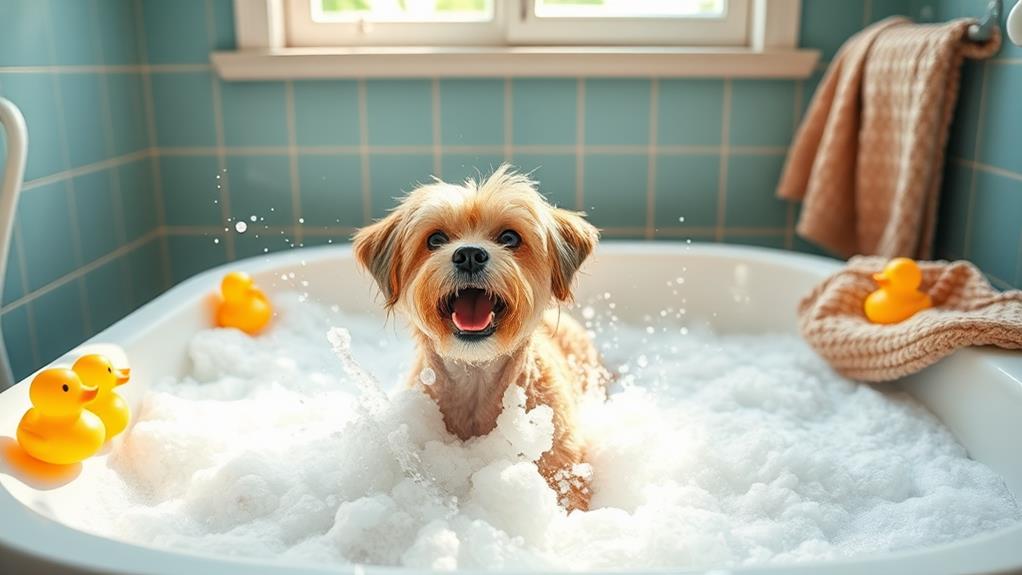
To keep that wet dog smell at bay, establishing a regular grooming routine is essential.
You should use quality grooming products and brush your dog thoroughly to remove dirt and loose fur.
Consistent grooming not only helps with odor control but also keeps your pup looking and feeling great.
Establish a Grooming Routine
Establishing a grooming routine is essential for keeping that wet dog smell at bay. By committing to regular grooming, you not only help your furry friend look and feel their best but also reduce odors that can linger in your home.
Start by setting a specific day and time each week for grooming sessions. Consistency is key, as it helps your dog get used to the process, making it less stressful for both of you.
During these sessions, brush your dog thoroughly to remove loose fur, dirt, and debris. This simple act can significantly decrease the amount of dander in your home.
Also, include regular nail trimming and ear cleaning in your routine. These practices not only promote your dog's hygiene but help eliminate potential odor sources.
After bathing, make sure to dry your dog completely, as damp fur can contribute to that wet dog smell.
Use Quality Grooming Products
Using quality grooming products can make a significant difference in controlling that wet dog smell. Choosing the right shampoo is crucial; opt for formulas designed specifically for dogs, as they're pH-balanced for their skin. Look for products that contain natural ingredients, like oatmeal or aloe vera, which can soothe the skin while providing a fresh scent.
Conditioners are just as important. They help detangle your dog's fur and reduce static, which can trap odors. A good conditioner also keeps the coat healthy and shiny, making it less likely to retain that wet dog smell after bathing.
Don't forget about grooming tools! A high-quality brush can help distribute natural oils throughout your dog's coat, enhancing its overall cleanliness and scent.
Additionally, consider using wipes or sprays formulated for dogs between baths. These can help keep your furry friend smelling fresh, especially after outdoor adventures.
Brush Regularly and Thoroughly
Regularly brushing your dog can significantly reduce that pesky wet dog smell. When you groom your furry friend, you help remove loose fur, dirt, and debris that can trap odors. Not only does this make your dog look great, but it also promotes healthier skin and fur.
Aim to set aside time each week for a thorough brushing session. Choose a brush that suits your dog's coat type; this ensures you're effectively removing all the dead hair and dander.
As you brush, pay attention to any tangles or mats, as these can trap moisture and odors. Be gentle, and make this a positive experience for your dog. You can even reward them with treats or praise to create a grooming routine that they look forward to.
Regular brushing not only keeps your dog smelling fresh but also strengthens your bond.
Maintaining a Fresh Home Environment
Creating a fresh home environment is essential for enjoying quality time with your furry friend. To keep things smelling pleasant, start by establishing a regular cleaning routine. Vacuum frequently to remove pet hair and dander that can contribute to odors.
Don't forget to wash your dog's bedding and any blankets or cushions they use. This simple step can make a significant difference.
Next, consider using air purifiers or dehumidifiers in your home. These devices help reduce moisture in the air, which can trap odors and create a stuffy atmosphere.
Additionally, essential oils or natural air fresheners can be a great way to uplift the scent in your living space. Just be sure these aren't harmful to your pet.
Regularly check for any hidden messes, like under furniture or in corners, where odors might linger. Keep your home well-ventilated by opening windows and letting fresh air circulate.
When to Consult a Professional
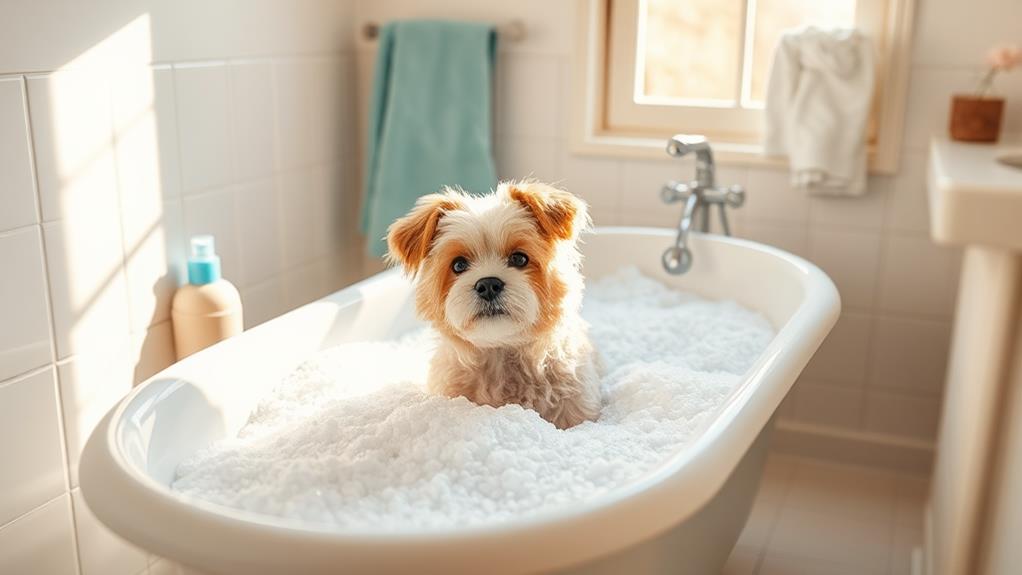
Sometimes, the smell of wet dog can persist despite your best efforts at home care, signaling it might be time to consult a professional.
If you've tried various cleaning techniques and the odor remains, consider reaching out for help. Professionals have the expertise and tools to tackle stubborn smells effectively.
You should consult a professional if:
- You've cleaned your carpets and furniture but still detect the smell.
- Your dog has a persistent odor that doesn't improve after regular bathing.
- You notice signs of mold or mildew in your home, which could contribute to the smell.
- You've tried various products but haven't found one that works effectively.
- Your dog has skin issues or infections that require veterinary attention.
Frequently Asked Questions
Can Wet Dog Smell Affect My Allergies or Asthma?
Yes, wet dog smell can trigger your allergies or asthma. The moisture and dander combine to create irritants. Keeping your space clean and well-ventilated can help you manage those symptoms effectively.
How Often Should I Bathe My Dog to Prevent Odors?
Did you know that bathing your dog too frequently can strip essential oils, leading to skin issues? Aim for every 4 to 6 weeks, adjusting based on activity level and coat type to keep them fresh.
Are Certain Dog Breeds More Prone to Wet Dog Smell?
Yes, certain dog breeds, like Basset Hounds and Bulldogs, are more prone to wet dog smell due to their skin structure and oil production. Regular grooming can help manage these odors effectively for your furry friend.
What Home Remedies Can I Use to Deodorize My Dog's Fur?
To uplift your furry companion's essence, consider using gentle home remedies like baking soda, apple cider vinegar, or a natural citrus spray. These will rejuvenate your dog's coat, leaving it fresh and delightful for all.
Does Wet Dog Smell Worsen in Humid Environments?
Yes, wet dog smell can worsen in humid environments. The moisture in the air traps odors, making them more pronounced. To help, ensure proper ventilation and try using odor-neutralizing products to keep things fresh.
Conclusion
To keep your home smelling fresh after a bath, remember that nearly 33% of dog owners struggle with persistent pet odors. By using the right bathing techniques, high-quality shampoo, and proper drying methods, you can significantly reduce wet dog smell. Regular grooming and cleaning your dog's bedding and toys also help maintain a pleasant environment. With a little effort, you can enjoy your furry friend's company without the lingering scent of wet dog.

Carlos Rodriguez is the Senior Product Reviewer at DogShampooReviews.com. With over 15 years of experience in canine grooming and skincare, Carlos brings a wealth of knowledge and passion to our team. His journey began at a young age, growing up on a family farm where he was surrounded by dogs of all breeds and sizes. This early exposure ignited his lifelong dedication to animal care and well-being.
Professional Background
- Certified Dog Groomer: Carlos is a certified professional groomer who has worked in some of the top grooming salons across the country. His expertise spans various grooming techniques suitable for different breeds and coat types.
- Canine Skincare Specialist: Recognizing the importance of skin health in dogs, Carlos pursued additional certifications in dermatological care for canines, specializing in treating skin conditions and allergies.
- Product Testing Expert: With a meticulous eye for detail, Carlos rigorously tests dog shampoos and grooming products, evaluating them on ingredients, efficacy, safety, and overall quality.
Passion for Dogs
Carlos’s love for dogs goes beyond his professional life. He is an active volunteer at local animal shelters, providing grooming services to help adoptable dogs look and feel their best. His own rescued dogs, Bella and Rocky, are often the first to try out new products, ensuring his reviews come from genuine experiences.
Why Trust Carlos
- Unbiased Reviews: Committed to integrity, Carlos ensures all his reviews are honest and based on thorough testing.
- Expert Insight: His extensive knowledge allows him to break down complex information into understandable advice for dog owners.
- Community Engagement: Carlos actively engages with our readers, answering questions and providing personalized recommendations.