You shouldn't bathe your dog right after surgery. Doing so can interfere with the healing process and possibly introduce infections. For major surgeries like spaying or orthopedic procedures, wait about 10 to 14 days. If your dog had a minor procedure, consult your vet about when it's safe to bathe. In the meantime, you can use a damp cloth for spot cleaning or mild pet wipes. Always monitor the surgical site for any signs of irritation. You'll find more tips on how to care for your pup during recovery as well.
Key Takeaways
- Wait 10 to 14 days after major surgeries like spaying/neutering before bathing your dog to ensure proper healing.
- Consult your veterinarian for guidance on bathing after minor procedures, as some may allow earlier bathing.
- Keep the surgical site dry and clean for at least two weeks, especially after orthopedic surgeries.
- Use alternative cleaning methods like pet wipes or dry shampoo to maintain hygiene without bathing too soon.
- Monitor your dog's incision for signs of healing, and consult the vet if you have concerns before bathing.
Understanding Post-Surgery Recovery
After your dog undergoes surgery, understanding the recovery process is crucial for their well-being. Recovery isn't just about healing the incision; it encompasses their overall comfort and emotional state.
You'll want to create a calm environment where your dog feels safe and secure. This means minimizing loud noises and providing a cozy resting area.
Pay attention to your dog's behavior. They may be a bit groggy from anesthesia, so monitor their appetite and mobility. Encourage gentle movement but avoid vigorous play or strenuous activities.
It's essential to follow your vet's specific instructions regarding medications and post-operative care.
Keep a close eye on the surgical site for any signs of infection or unusual swelling. If you notice anything concerning, don't hesitate to reach out to your vet.
Regularly check in with your furry friend, offering comfort and reassurance, as they may feel anxious during recovery.
Types of Surgical Procedures
When it comes to your dog's surgery, understanding the types of procedures is crucial.
Common surgical procedures can vary greatly, each with different recovery timeframes and specific bathing restrictions.
Knowing what to expect will help you support your furry friend during their healing process.
Common Surgical Procedures
Many dogs undergo various surgical procedures for different reasons, ranging from routine spaying or neutering to more complex surgeries like orthopedic repairs.
Understanding these common procedures can help you serve your furry friend better during their recovery.
Spaying and neutering are among the most common surgeries. These procedures prevent unwanted litters and can improve your dog's health and behavior.
Another frequent surgery is the removal of tumors or growths, which can be crucial for your pet's well-being, especially if the growth is cancerous.
Dental surgeries, like tooth extractions, are also common, as dental health is vital for overall health.
Additionally, procedures on soft tissues, such as hernia repairs, help correct internal issues that could affect your dog's quality of life.
Orthopedic surgeries, like ligament repairs, are essential for restoring mobility after injuries.
Each of these surgeries has its specific reasons and benefits, and being informed helps you support your dog effectively.
Always consult your veterinarian for guidance tailored to your dog's needs, ensuring they receive the best care possible before and after any surgical procedure.
Recovery Timeframes
Recovery timeframes for different surgical procedures can vary significantly based on the type of surgery and your dog's individual health.
For instance, spaying or neutering usually requires about 10 to 14 days for initial recovery, while orthopedic surgeries might take several weeks, often ranging from 6 to 12 weeks, depending on the complexity of the procedure.
Soft tissue surgeries, like tumor removals, typically have a recovery period of 10 to 14 days as well.
It's crucial to monitor your dog closely during their recovery.
You'll want to provide a calm, comfortable space for them to rest.
Some dogs may bounce back quickly, while others might take longer, particularly if they've underlying health issues.
It's essential to follow your veterinarian's instructions regarding activity restrictions and post-operative care.
Bathing Restrictions
Bathing your dog after surgery can be tricky, as it often depends on the type of procedure they've undergone.
For instance, if your pup had a major surgery like spaying or neutering, it's best to wait at least 10 to 14 days. This allows the incision to heal properly without the risk of infection.
On the other hand, if your dog had a minor procedure, like a dental cleaning, bathing might be permissible sooner, but you should still consult your vet.
For orthopedic surgeries, the restrictions can be more stringent. You'll want to keep the surgical site dry to prevent complications, so avoid bathing your dog for a minimum of two weeks.
Additionally, if they'd any type of skin surgery, it's crucial to follow your vet's advice closely; wetting the area could reopen wounds or lead to irritation.
Ultimately, always prioritize your dog's health and healing.
If you're unsure, don't hesitate to reach out to your veterinarian for guidance. They'll provide you with the best advice tailored to your dog's specific needs, ensuring a smooth recovery.
Veterinarian Recommendations
Veterinarians often emphasize the importance of keeping your dog clean while also protecting their surgical site.
After surgery, it's crucial to follow your vet's specific recommendations regarding bathing. Most vets advise waiting at least 10 to 14 days post-surgery before giving your dog a full bath. This allows the surgical area to heal properly without the risk of infection or irritation.
If your dog gets dirty before it's time for a bath, consider spot cleaning with a damp cloth. Gently wipe the areas that need attention, avoiding the surgical site. Your vet may also recommend using a mild, hypoallergenic pet-safe cleanser that won't irritate your dog's skin.
Always keep an eye on your dog's behavior and condition during this recovery period. If you notice any signs of discomfort, swelling, or unusual discharge from the surgical site, don't hesitate to reach out to your veterinarian.
They're there to help you navigate your dog's recovery, ensuring your furry friend stays safe and comfortable as they heal. By following your vet's guidance, you'll be doing your best to support your dog's recovery journey.
Signs Your Dog Is Ready
To determine if your dog is ready for a bath after surgery, keep an eye on their physical activity level and the progress of their wound healing.
If they seem more energetic and their incision looks clean and closed, it's a good sign.
Always trust your instincts and consult your vet if you're unsure.
Physical Activity Level
After surgery, observing your dog's physical activity level is crucial in determining when they're ready for a bath.
You'll want to look for signs that indicate your pup is regaining their strength and mobility. If your dog starts showing interest in getting up, walking around, or even playing gently, these are positive indicators.
Watch for their enthusiasm during short walks or light playtime; this can signal that they're feeling more like themselves. However, be cautious—if they're overly excited or moving too quickly, it may be a sign that they still need more time to rest.
Additionally, keep an eye on their energy levels. If your dog seems to tire quickly or prefers to lounge around, it's essential to give them more time before introducing a bath.
Always trust your instincts as a caring pet owner; if something feels off, it's best to consult your vet.
Wound Healing Progress
As your dog's physical activity level improves, it's important to monitor their wound healing progress. Keep an eye out for any signs that indicate your furry friend is ready for a bath, such as reduced swelling and redness around the wound. A clean, dry incision is a positive sign, showing that it's healing well. If the area feels warm but not hot, it suggests the healing process is on track.
You should also watch for your dog's behavior. If they're no longer excessively licking or scratching at the wound, it's a good indication that they're feeling more comfortable. When your dog starts to regain their usual energy and enthusiasm, it's often a sign that they're healing mentally and physically.
Lastly, don't hesitate to consult your veterinarian if you're unsure. They can provide insights specific to your dog's condition and suggest when it's safe to introduce bathing.
Risks of Bathing Too Soon
Why should you wait to bathe your dog after surgery? Bathing too soon can pose several risks that may hinder your dog's recovery.
First and foremost, exposing surgical wounds to water can lead to infections. The incision site needs time to heal, and moisture can create a breeding ground for bacteria. You don't want to compromise your dog's health by introducing contaminants.
Additionally, if your dog is still under the effects of anesthesia or pain medication, they mightn't be steady on their feet. Bathing could result in slips and falls, which can further injure your pet.
Furthermore, stress can be a significant factor; a bath might be overwhelming for a recovering dog. You want to minimize anxiety during this crucial healing period.
Lastly, consider the emotional aspect. Your dog relies on you for comfort and safety. By waiting to bathe them, you're showing that you prioritize their well-being and recovery.
It's essential to give them the time they need to heal properly before introducing any activities that could pose a risk. Patience now will pay off and ensure your beloved pet gets back to their happy, healthy self sooner.
Alternative Cleaning Methods
While you wait for your dog to fully recover from surgery, there are effective alternative cleaning methods you can use to keep them fresh without risking their healing wounds. One great option is using pet wipes, specifically designed for dogs. These wipes are gentle and can clean your dog's fur and paws without needing a full bath. Simply wipe down the areas that look dirty, and your pup will feel refreshed.
Another method is using dry shampoo formulated for dogs. This can help absorb excess oils and odors, making your dog smell nice without water. Just sprinkle or spray it on your dog's coat, rub it in, and brush it out.
If your dog has particularly dirty areas, consider spot cleaning with a damp cloth. Use a mild, pet-safe soap if necessary, but be careful not to irritate any surgical sites.
Lastly, regular brushing not only keeps your dog's coat clean but also promotes healthy skin. It's a great way to bond with your furry friend while ensuring they stay clean and comfortable during their recovery period.
These methods will help you care for your dog until they're ready for a proper bath.
Preparing for a Bath
Before you start the bath, gather all the necessary supplies like shampoo, towels, and a non-slip mat.
It's also important to create a safe space where your dog feels comfortable and secure.
This preparation helps make the bathing process smoother for both of you.
Gather Necessary Supplies
To ensure a smooth bathing experience for your dog after surgery, it's essential to gather all the necessary supplies in advance.
Start with a dog-friendly shampoo that's gentle on their skin. Look for products specifically designed for post-surgery care or sensitive skin to avoid irritation.
Next, grab some soft towels to keep your pup comfortable after the bath. Having a non-slip mat in your bathing area is also crucial to prevent any slips or falls.
You'll also need a brush to help remove loose fur and dirt before the bath. This step can make the bathing process easier and more enjoyable for your dog.
If your dog has any specific post-surgery instructions from your vet, keep those handy, too.
Lastly, don't forget treats! Having some on hand can make the experience more positive, providing reassurance for your furry friend.
Create a Safe Space
Creating a safe space for your dog during bath time is crucial, especially after surgery. Start by choosing a quiet, familiar area where your dog feels comfortable. This could be a bathroom or laundry room, but make sure it's free from distractions.
Lay down a non-slip mat to prevent slipping, which can be especially important for a recovering pup.
Next, gather your supplies within easy reach to avoid leaving your dog unattended. Use warm water, as cold or hot water can be uncomfortable and may stress your furry friend.
If your dog has stitches or a bandage, protect these areas by keeping them dry. You might consider using a handheld showerhead or a cup for rinsing, making it easier to control water flow.
Bathing Techniques for Recovery
Recovery can be a delicate time for your dog, especially when it comes to bathing after surgery. To ensure your furry friend's comfort and safety, consider some gentle bathing techniques.
First, use a soft cloth or sponge to spot-clean any dirty areas instead of giving a full bath. This way, you can avoid irritating surgical sites while keeping your dog clean.
If a full bath is necessary, opt for a shallow tub or sink, making sure the water temperature is lukewarm. Use a mild, vet-approved shampoo, and avoid getting water on any incisions.
Wet your dog's coat lightly, lather gently, and rinse thoroughly with just enough water to clean without soaking.
After the bath, wrap your dog in a soft towel and gently pat them dry. Avoid vigorous rubbing, as this can cause discomfort.
If your dog seems anxious, speak softly and calmly to reassure them throughout the process.
Monitoring Your Dog After Bath
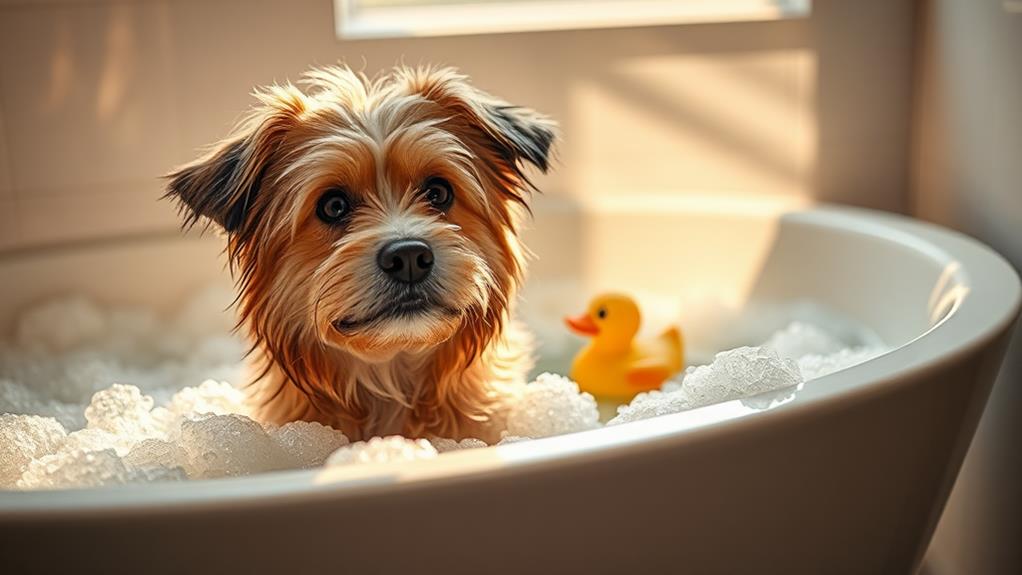
After giving your dog a bath, it's essential to keep a close eye on them during the recovery period. Monitoring your dog closely helps ensure they're comfortable and healing properly.
Start by checking their incision site for any signs of irritation or unusual swelling. If you notice any redness or discharge, it's crucial to take note.
Next, observe your dog's behavior. Are they acting more lethargic than usual? Are they eating and drinking normally? Changes in appetite or energy levels can indicate discomfort or complications.
Make sure they've a warm, dry place to rest, away from drafts, as they might feel chilly after their bath.
Also, watch for excessive licking or scratching at the surgical site, which can hinder healing. If you've been given an Elizabethan collar, ensure your dog wears it as instructed.
Regularly engage with your dog, providing gentle comfort and reassurance. This bond not only soothes them but also helps you notice any subtle changes in their behavior.
When to Seek Veterinary Advice
Keeping a close eye on your dog after their bath is important, but knowing when to seek veterinary advice can make all the difference in their recovery. If your dog shows signs of discomfort, such as whining, excessive licking, or reluctance to move, it's time to call your vet. These behaviors might indicate pain or complications from surgery that require professional attention.
Watch for any changes in your dog's appetite or drinking habits as well. If they're suddenly refusing food or water, it could signal an issue that needs addressing.
Additionally, if you notice any unusual swelling, discharge from the surgical site, or a fever, don't hesitate to get in touch with your veterinarian.
It's always better to err on the side of caution. If something doesn't feel right, trust your instincts and seek advice. Your vet is there to help you support your dog's recovery.
Frequently Asked Questions
Can I Use Regular Dog Shampoo After Surgery?
You can use regular dog shampoo after surgery, but it's best to wait until your vet approves it. Make sure your dog's incision is healed and avoid any irritants to ensure a safe bath.
How Long Should I Wait Before Bathing My Dog?
Imagine a flower needing time to bloom after a storm. You'll want to wait at least ten to fourteen days after surgery before bathing your dog, ensuring their healing is as gentle as possible.
Is It Safe to Bathe a Dog With Stitches?
It's generally not safe to bathe a dog with stitches. Water can irritate the wound or introduce bacteria. You should wait until your vet gives you the go-ahead to keep your pup healthy and comfortable.
Can I Use a Hairdryer After Bathing My Dog?
You can use a hairdryer after bathing your dog, but keep it on a low setting. Make sure to maintain a safe distance to avoid burns, and always prioritize your dog's comfort and well-being.
Will Bathing Affect My Dog's Pain Medication?
Ever wondered if bathing affects your dog's pain meds? Generally, it shouldn't, but it's wise to check with your vet. Keeping your pup clean is important, but their health always comes first.
Conclusion
As you gently run your fingers through your dog's fur, remember that patience is key after surgery. Waiting for the right moment to bathe your furry friend is like letting a flower bloom in its own time. By following your vet's advice and observing your pup's recovery, you'll ensure their comfort and well-being. So, embrace the joy of those quiet moments together, and when the time is right, treat them to a soothing bath that feels like a warm hug.

Carlos Rodriguez is the Senior Product Reviewer at DogShampooReviews.com. With over 15 years of experience in canine grooming and skincare, Carlos brings a wealth of knowledge and passion to our team. His journey began at a young age, growing up on a family farm where he was surrounded by dogs of all breeds and sizes. This early exposure ignited his lifelong dedication to animal care and well-being.
Professional Background
- Certified Dog Groomer: Carlos is a certified professional groomer who has worked in some of the top grooming salons across the country. His expertise spans various grooming techniques suitable for different breeds and coat types.
- Canine Skincare Specialist: Recognizing the importance of skin health in dogs, Carlos pursued additional certifications in dermatological care for canines, specializing in treating skin conditions and allergies.
- Product Testing Expert: With a meticulous eye for detail, Carlos rigorously tests dog shampoos and grooming products, evaluating them on ingredients, efficacy, safety, and overall quality.
Passion for Dogs
Carlos’s love for dogs goes beyond his professional life. He is an active volunteer at local animal shelters, providing grooming services to help adoptable dogs look and feel their best. His own rescued dogs, Bella and Rocky, are often the first to try out new products, ensuring his reviews come from genuine experiences.
Why Trust Carlos
- Unbiased Reviews: Committed to integrity, Carlos ensures all his reviews are honest and based on thorough testing.
- Expert Insight: His extensive knowledge allows him to break down complex information into understandable advice for dog owners.
- Community Engagement: Carlos actively engages with our readers, answering questions and providing personalized recommendations.