If your dog smells like mildew, it could indicate a skin infection or other health issues. Bacterial and yeast infections often lead to this odor, especially if moisture or skin irritation is present. Allergies can also create conditions for bacteria and yeast to thrive. Poor grooming habits might trap moisture and dirt, intensifying the smell. Environmental factors like humidity can exacerbate odors too. Additionally, anal gland issues might contribute to unwanted scents. If the smell persists or is accompanied by symptoms like itching or discharge, it’s best to consult a veterinarian for guidance and treatment options.
Key Takeaways
- Mildew smells in dogs often indicate bacterial or yeast infections, commonly affecting moist areas like skin folds and ears.
- Poor grooming practices can lead to dirt, oils, and moisture buildup, resulting in unpleasant odors.
- Environmental factors, such as high humidity and poor ventilation, can exacerbate odor problems in dogs.
- Diet plays a significant role; excessive grains may promote yeast overgrowth, contributing to mildew-like smells.
- Persistent odors or accompanying symptoms like scratching or discharge should prompt a veterinary visit for diagnosis and treatment.
Possible Skin Infections
Possible skin infections could be the culprit behind your dog’s musty odor. You might notice that your furry friend has been scratching or licking certain areas more than usual, which can indicate discomfort.
Bacterial or fungal infections, like yeast infections, often thrive in warm, moist environments, causing that unpleasant smell.
To help your dog, keep an eye on their skin for any redness, swelling, or unusual discharge. Regular grooming can assist in identifying these issues early on. If you spot any troubling signs, don’t hesitate to consult your veterinarian. They’ll assess your dog’s condition and may prescribe medicated shampoos or topical treatments to address the infection.
Additionally, maintaining proper hygiene plays a significant role in preventing skin infections. Regular baths with appropriate, vet-recommended products can keep your dog’s skin healthy and odor-free.
After walks or playtime, check for any debris or moisture that could lead to infections. By being proactive and attentive, you not only help your dog feel better but also strengthen the bond you share.
Allergies and Sensitivities
Dealing with allergies and sensitivities can be frustrating for both you and your dog, especially when they lead to that musty smell. Your dog might be allergic to certain food ingredients, pollen, or even mold in the environment.
These allergies can cause skin irritation, which often results in a buildup of moisture and bacteria, contributing to that unpleasant odor.
You’ll want to observe your dog’s behavior and look for signs of discomfort. Scratching, licking, or biting at their skin can indicate allergies. If you suspect this might be the issue, consult your veterinarian for an accurate diagnosis.
They can recommend allergy testing and help you identify potential triggers.
In the meantime, consider adjusting your dog’s diet. Sometimes, switching to hypoallergenic food can alleviate symptoms.
Additionally, regular cleaning of your dog’s living space and bathing them with gentle, hypoallergenic shampoos can help minimize allergens.
Poor Grooming Practices
Regular grooming is essential for keeping your dog clean and free from that musty mildew smell. When you neglect grooming, dirt, oils, and moisture accumulate in your dog’s coat, creating the perfect environment for mildew to thrive.
It’s not just about aesthetics; regular brushing removes loose hair, dirt, and debris, preventing matting and trapping moisture against the skin.
Bathing your dog is another critical aspect of grooming. If you don’t bathe your dog regularly, they can develop an unpleasant odor. Choose a gentle dog shampoo that won’t irritate their skin, and ensure you rinse thoroughly to avoid residue buildup.
Remember, over-bathing can strip natural oils, so find a balance that works for your dog’s needs.
Pay attention to areas that can trap moisture, like the ears and paws. Clean these areas regularly to prevent odor and infections.
If you notice persistent smells despite grooming, consider consulting a veterinarian to rule out any underlying health issues.
Environmental Factors
If your dog’s smell has become more pronounced, consider the environmental factors at play.
High humidity and exposure to wet environments can promote mold growth, which might cling to your pet.
Identifying these conditions can help you tackle the mildew smell effectively.
Humidity and Mold Growth
While you might enjoy a humid environment, your dog may not share the same sentiment, especially when it comes to mold growth. High humidity levels create the perfect breeding ground for mold, which can attach itself to your dog’s fur, leading to that musty odor you find concerning.
Mold thrives in damp conditions, and if your home has areas with poor ventilation, you might unknowingly contribute to the problem. When your dog spends time in these humid spaces, mold spores can cling to their coat, especially if they’ve been outside in similar weather.
This can result in a smell that resembles mildew, which is both unpleasant and unhealthy. Regular grooming becomes essential not just for aesthetics but for your dog’s well-being.
To combat this issue, make sure you keep your living spaces well-ventilated and dry. Consider using dehumidifiers in areas prone to moisture.
Wet Environment Exposure
Exposure to wet environments can significantly contribute to that mildew smell on your dog. If your furry friend spends time in damp areas, whether it’s a rainy day walk, a muddy backyard, or even a poorly ventilated space indoors, moisture can cling to their fur and skin.
This moisture creates the perfect breeding ground for bacteria and fungi, leading to unpleasant odors. You might notice that after a bath or a swim, your dog carries that musty scent. It’s essential to dry them thoroughly post-exposure, focusing on their ears, paws, and underbelly.
If your dog has a thick coat, invest in a high-quality towel or a pet dryer designed to remove moisture effectively. Regular grooming also plays a crucial role. Brushing your dog helps to remove excess water and dirt, reducing the chances of mildew developing.
If your dog frequently encounters wet environments, consider a specialized dog shampoo that targets odors. By addressing their exposure to wet conditions and maintaining a proper grooming routine, you can help keep your dog smelling fresh and clean. Your attention to their needs will make all the difference!
Diet and Nutrition Impact
Diet plays a crucial role in your dog’s overall health and can significantly affect their odor. If your furry friend has a mildew-like smell, it might be time to reevaluate their nutrition.
Certain ingredients in dog food can contribute to unpleasant odors, so consider the following factors when choosing their diet:
- Protein Source: Look for high-quality proteins. Low-grade meats can cause digestive issues, leading to odor.
- Grain Content: Excessive grains, especially fillers, can lead to yeast overgrowth, which may worsen smells.
- Fat Type: Healthy fats, like omega-3s, can improve skin health and reduce odor. Avoid rancid fats that promote bad smells.
- Additives and Preservatives: Artificial additives can affect your dog’s gut health, leading to an unpleasant scent. Opt for natural options.
Yeast Infections Overview
If you’ve noticed a mildew-like odor coming from your dog, it could be a sign of a yeast infection. Yeast infections often occur when the natural balance of yeast and bacteria in your dog’s body becomes disrupted, leading to an overgrowth of yeast, particularly in warm, moist areas.
Common places for these infections include the ears, paws, and skin folds.
You might observe signs such as redness, itching, and discharge, in addition to that distinct odor. It’s important to remember that yeast infections can be uncomfortable for your dog, so addressing them promptly is essential.
Factors like allergies, hormonal imbalances, and a poor diet can contribute to the development of yeast infections, making it crucial to evaluate your dog’s overall health and lifestyle.
If you suspect a yeast infection, consult your veterinarian for a proper diagnosis and treatment plan. They can recommend antifungal medications, medicated shampoos, and dietary changes to help restore balance.
Bacterial Infections Explanation
Bacterial infections can also lead to that unpleasant mildew smell on your dog. These infections can occur in various areas of your dog’s body, often due to moisture or skin injuries.
It’s essential to recognize the signs early to help your furry friend feel better. Here are some common causes of bacterial infections:
- Moist Environments: Dogs that spend time in damp areas may develop infections due to excess moisture trapped in their fur or skin folds.
- Skin Irritations: Cuts, scrapes, or allergies can create openings for bacteria to enter and thrive, leading to odor and discomfort.
- Underlying Health Issues: Conditions like diabetes or a weakened immune system can make your dog more susceptible to bacterial infections.
- Poor Hygiene: Regular grooming helps prevent bacteria from building up on your dog’s skin, especially in areas that are prone to moisture.
If you notice a persistent mildew smell, it’s crucial to consult your veterinarian. They can diagnose the issue and recommend appropriate treatments, ensuring your dog gets back to their happy, healthy self.
Anal Gland Issues
Anal gland issues can be a significant source of odor in dogs, often contributing to that musty, mildew smell you’re noticing. These glands, located near your dog’s rectum, produce a fluid that typically helps with marking territory. However, if they become impacted or infected, the smell can become overwhelming.
You might notice your dog scooting or licking the area more than usual, signaling discomfort. It’s crucial to address this issue promptly, as untreated anal gland problems can lead to more severe complications, including abscesses. If you suspect your dog has an issue, a visit to the veterinarian is essential. They can express the glands and check for signs of infection or blockage.
Regular check-ups can help catch these issues early, ensuring your furry friend stays comfortable and odor-free. You can also discuss with your vet whether dietary changes could help prevent future problems. A high-fiber diet may encourage natural expression of the glands, reducing the risk of impaction.
Maintaining Proper Hygiene
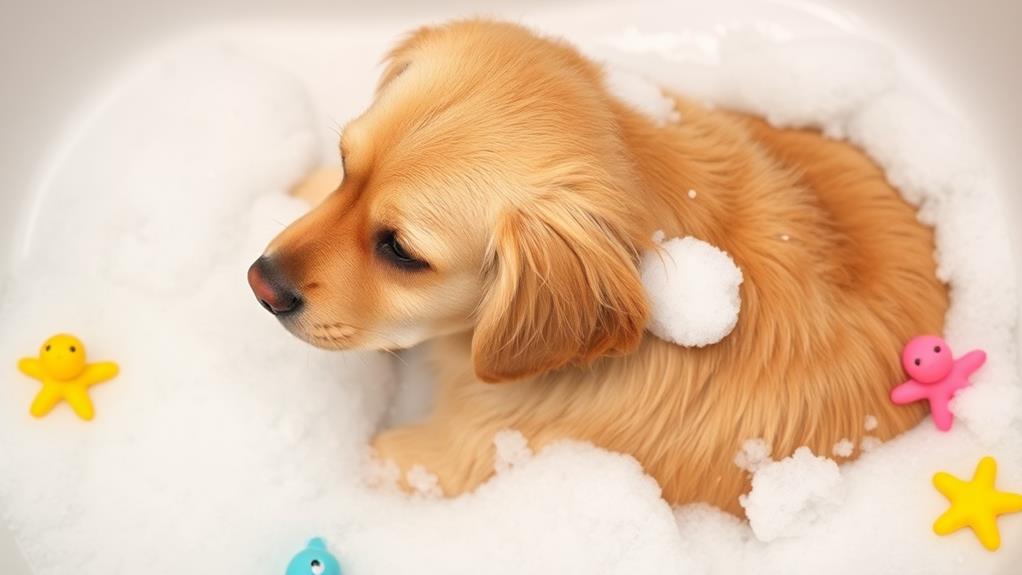
Maintaining proper hygiene is essential for keeping your dog smelling fresh and healthy. Regular grooming and cleanliness can prevent odors and ensure your furry friend feels their best.
Here are some simple steps you can follow:
- Regular Baths: Bathe your dog every 4-6 weeks using a gentle, dog-specific shampoo. This helps remove dirt, oils, and odors.
- Ears and Teeth: Clean your dog’s ears weekly and brush their teeth several times a week. This prevents infections and reduces bad breath.
- Brushing Fur: Brush your dog’s coat regularly to remove loose hair and dander. This also promotes a healthy coat and skin.
- Clean Bedding: Wash your dog’s bedding weekly. A clean sleeping area can minimize odors and provide a comfortable space for your pup.
When to See a Veterinarian
A persistent mildew smell coming from your dog could be a sign of an underlying health issue that needs attention. If you’ve noticed this odor despite regular grooming and hygiene practices, it’s time to consult your veterinarian.
Ignoring the smell may lead to more serious complications for your furry friend.
Look for other symptoms that might accompany the smell, such as excessive scratching, skin irritation, or changes in appetite.
If your dog seems lethargic, has unusual discharge, or shows signs of discomfort, don’t hesitate to reach out to a vet. These could be indicators of skin infections, allergies, or even yeast infections, all of which require prompt medical intervention.
Frequently Asked Questions
Can a Dog’s Breed Affect Its Odor Profile?
Yes, a dog’s breed can affect its odor profile. Certain breeds have unique skin types, coat textures, and grooming needs, which can influence how they smell. Regular grooming helps manage these odors effectively, keeping your dog fresh.
How Can I Prevent Mildew Smell in My Dog?
To keep mildew at bay, regularly bathe your dog with a gentle shampoo, dry them thoroughly, and ensure their living area’s clean and dry. Prevention’s key; don’t let that smell creep in!
Are Certain Shampoos Better for Odor Control?
Yes, certain shampoos are better for odor control. Look for ones with antibacterial or natural ingredients like oatmeal or aloe. Regular baths with these can help keep your dog smelling fresh and clean. You’ve got this!
Does My Dog’s Age Influence Its Smell?
Yes, your dog’s age can influence its smell. As dogs age, their skin and coat change, potentially leading to different odors. Regular grooming and proper care can help manage these changes and keep your pup smelling fresh.
Can Stress Contribute to My Dog’s Odor Issues?
Imagine your dog curling up, anxious and restless. Yes, stress can absolutely contribute to odor issues. When your furry friend’s emotions run high, it might lead to changes in skin oils, causing unpleasant smells.
Conclusion
In conclusion, if your dog smells like mildew, it could be a sign of various issues, from skin infections to poor grooming habits. Did you know that nearly 15% of dogs suffer from skin allergies at some point in their lives? Regular grooming and proper hygiene can make a big difference, but don’t hesitate to consult your vet if the smell persists. Keeping your furry friend healthy and fresh is worth the effort!

Carlos Rodriguez is the Senior Product Reviewer at DogShampooReviews.com. With over 15 years of experience in canine grooming and skincare, Carlos brings a wealth of knowledge and passion to our team. His journey began at a young age, growing up on a family farm where he was surrounded by dogs of all breeds and sizes. This early exposure ignited his lifelong dedication to animal care and well-being.
Professional Background
- Certified Dog Groomer: Carlos is a certified professional groomer who has worked in some of the top grooming salons across the country. His expertise spans various grooming techniques suitable for different breeds and coat types.
- Canine Skincare Specialist: Recognizing the importance of skin health in dogs, Carlos pursued additional certifications in dermatological care for canines, specializing in treating skin conditions and allergies.
- Product Testing Expert: With a meticulous eye for detail, Carlos rigorously tests dog shampoos and grooming products, evaluating them on ingredients, efficacy, safety, and overall quality.
Passion for Dogs
Carlos’s love for dogs goes beyond his professional life. He is an active volunteer at local animal shelters, providing grooming services to help adoptable dogs look and feel their best. His own rescued dogs, Bella and Rocky, are often the first to try out new products, ensuring his reviews come from genuine experiences.
Why Trust Carlos
- Unbiased Reviews: Committed to integrity, Carlos ensures all his reviews are honest and based on thorough testing.
- Expert Insight: His extensive knowledge allows him to break down complex information into understandable advice for dog owners.
- Community Engagement: Carlos actively engages with our readers, answering questions and providing personalized recommendations.