To bathe your dog with hot spots, first gather your supplies, including a soothing, hypoallergenic shampoo. Use lukewarm water and wet the coat gently, avoiding sensitive areas. Apply the shampoo carefully, focusing on the hot spots, and rinse thoroughly to remove all residue. Make sure to dry your dog with soft towels, patting rather than rubbing, to keep them comfortable. Keep an eye on any changes in their skin or behavior afterward. With careful attention and the right techniques, your dog's bath can be a soothing experience. There's more to learn about aftercare and prevention to keep your dog healthy.
Key Takeaways
- Use a medicated or hypoallergenic shampoo to soothe your dog's skin while avoiding sulfates and harsh chemicals.
- Wet your dog's coat gently, focusing on hot spots, and maintain a comfortable water temperature throughout the bath.
- Apply shampoo carefully, ensuring thorough rinsing to remove all residue and prevent further irritation.
- Dry your dog using gentle patting with soft towels and keep them in a warm, draft-free environment.
- Monitor the hot spots post-bath and apply vet-recommended ointments, preventing licking with an Elizabethan collar if necessary.
Understanding Hot Spots
Have you noticed your dog constantly scratching or licking a specific area? It might be a sign of hot spots, which are painful, inflamed patches on the skin. Understanding hot spots is crucial for providing your furry friend the relief they need.
These areas can develop quickly, often due to allergies, insect bites, or even stress.
It's essential to pay attention to your dog's behavior. If they seem unusually agitated or focused on a particular spot, it may indicate irritation. Hot spots can worsen if left untreated, leading to infections that require veterinary care.
To help your dog, keep their environment clean and free from allergens. Regular grooming can also prevent mats and tangles that trap moisture and irritants against their skin.
If you suspect a hot spot, try to prevent your dog from further irritating it by using an Elizabethan collar or similar device.
Signs Your Dog Has Hot Spots
Recognizing the signs of hot spots on your dog can help you address the issue before it escalates. One of the first things you might notice is excessive scratching or licking in a specific area. Your dog may seem more distressed than usual, frequently trying to reach that spot. You might also see redness or inflammation on the skin, indicating irritation.
Another sign is the presence of a localized area of matted fur, which can trap moisture and exacerbate the problem. If you notice any discharge or a foul odor coming from the affected area, that's a clear indication of a hot spot requiring immediate attention.
Pay attention to changes in your dog's behavior, like increased restlessness or reluctance to play. These can signal discomfort or pain associated with hot spots.
If you spot any of these signs, it's essential to act quickly. Treating hot spots early can prevent them from worsening and causing your furry friend more distress.
Keeping a close eye on your dog's grooming habits and skin condition will help you maintain their comfort and well-being.
Preparing for Bath Time
Before you start bathing your dog, it's important to gather all the necessary supplies, like towels, brushes, and shampoo.
Make sure you choose a shampoo that's suitable for your dog's coat and skin type.
Lastly, create a calm environment to help your pup feel at ease during bath time.
Gather Necessary Supplies
To ensure bath time goes smoothly, gather all the necessary supplies before you start. Having everything at hand will help you focus on providing the best care for your furry friend.
Begin by collecting a non-slip mat or towel to keep your dog steady during the bath. This will help prevent any accidents and keep them feeling secure.
Next, grab a gentle brush to remove any tangles or debris from their coat. This not only makes bathing easier but also helps soothe your dog, especially if they've sensitive skin.
You'll also need a bucket or sprayer to rinse off the shampoo effectively, ensuring you're gentle around those hot spots.
Don't forget a few towels to dry your dog afterward. You may want to have a soft, warm towel ready for a comforting wrap.
Finally, keep some treats nearby to reward your dog for their cooperation.
By gathering these supplies ahead of time, you'll create a calm and reassuring environment for your dog, making bath time a positive experience for both of you.
You're not just bathing your dog; you're showing love and care in every step.
Choose Appropriate Shampoo
Choosing the right shampoo for your dog is essential for a successful bath. Not only do you want to clean your pup, but you also want to soothe any discomfort from hot spots. Here's how to pick the perfect shampoo:
- Look for Healing Ingredients: Opt for shampoos that contain soothing agents like oatmeal or aloe vera. These ingredients can help calm irritated skin and promote healing.
- Avoid Harsh Chemicals: Steer clear of shampoos with sulfates, parabens, or artificial fragrances. These can worsen hot spots and irritate your dog's sensitive skin.
- Choose Hypoallergenic Options: For dogs with allergies or sensitive skin, hypoallergenic shampoos are your best bet. They minimize the risk of allergic reactions and ensure a gentle cleanse.
Create a Calm Environment
Creating a calm environment for bath time can make the experience smoother for both you and your dog. Start by selecting a quiet space, free from distractions and noise. This helps your dog feel secure and less anxious. If possible, use a room with natural light, as bright surroundings can have a soothing effect.
Next, gather all your supplies beforehand. Having everything ready, like shampoo, towels, and a non-slip mat, keeps the process efficient and stress-free. You don't want to leave your dog alone while you search for items, as this could heighten their anxiety.
Consider using calming music or white noise to drown out any sudden sounds that might startle your furry friend. You can also use treats or favorite toys to create positive associations with bath time. This encourages your dog to feel more relaxed and cooperative.
Choosing the Right Shampoo
When it comes to choosing the right shampoo for your dog, you'll find a variety of options tailored to specific needs.
It's crucial to know what ingredients to avoid to keep your pup safe and comfortable.
Let's explore the types of dog shampoos and the harmful substances you should steer clear of.
Types of Dog Shampoos
Selecting the right dog shampoo is crucial for keeping your furry friend clean and healthy. With so many options available, it's important to choose a shampoo that meets your dog's specific needs.
Here are three types of dog shampoos to consider:
- Medicated Shampoos: These are designed for dogs with skin conditions like hot spots or allergies. They can help soothe irritation and promote healing, making your pup feel more comfortable.
- Hypoallergenic Shampoos: If your dog has sensitive skin, hypoallergenic shampoos are a great choice. They're formulated to cleanse without harsh chemicals, reducing the risk of irritation.
- Moisturizing Shampoos: For dogs with dry or flaky skin, moisturizing shampoos can provide relief and hydration. They often contain natural ingredients that nourish the skin and coat, leaving your dog looking and feeling great.
Ingredients to Avoid
Avoiding harmful ingredients is essential for choosing the right dog shampoo. When you're caring for a dog with hot spots, you want to ensure that what you use is gentle and effective.
Start by steering clear of shampoos containing sulfates; these harsh detergents can strip the skin of its natural oils, worsening irritation. Also, avoid artificial fragrances and dyes, as they can trigger allergic reactions or sensitivities in your dog.
You should keep an eye out for parabens and phthalates, which are often used as preservatives but can disrupt hormones and lead to skin problems. Additionally, stay away from alcohol-based products, as they can dry out your dog's skin and exacerbate hot spots.
Instead, look for natural ingredients like oatmeal or aloe vera, which can soothe and hydrate the skin.
Always check the label, and don't hesitate to consult your veterinarian for recommendations tailored to your dog's specific needs.
Gathering Bathing Supplies
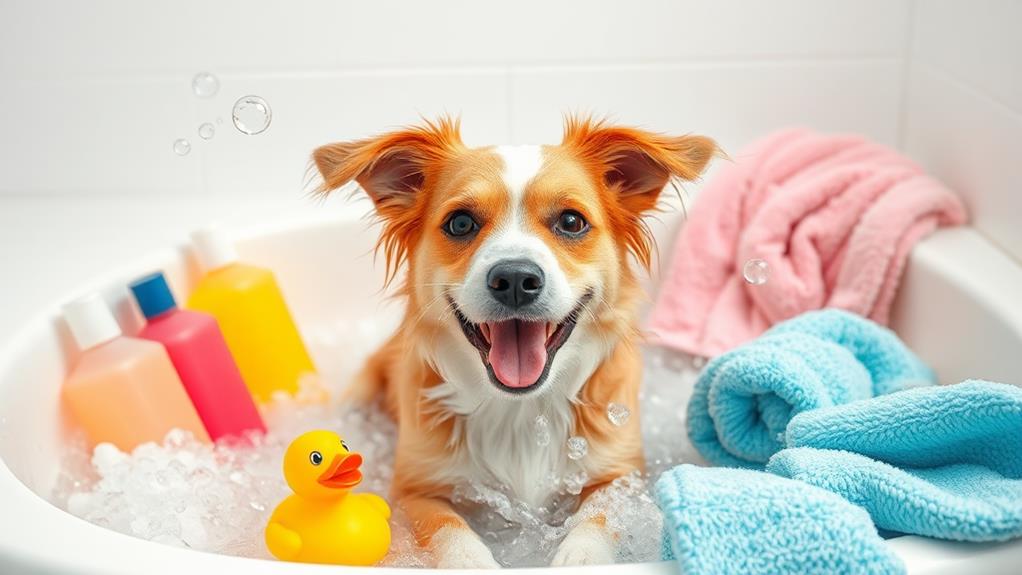
Before you start bathing your dog, make sure you've gathered all the necessary supplies. Having everything ready will make the process smoother and more enjoyable for both you and your furry friend.
Here's a quick list to help you prepare:
- Gentle Dog Shampoo: Choose a hypoallergenic shampoo that won't irritate your dog's skin, especially if they've hot spots. Your dog deserves a soothing wash that makes them feel comfortable.
- A Soft Towel: Grab a couple of soft towels to help dry your dog afterward. A cozy towel can turn a bath into a delightful experience, allowing you to wrap your pup in warmth and love.
- A Non-Slip Mat: To ensure your dog feels secure during the bath, a non-slip mat can prevent slipping and sliding. This little touch shows how much you care about their comfort and safety.
With these supplies at hand, you're ready to create a positive bathing experience that nurtures your dog's well-being.
Setting Up the Bathing Area
With your bathing supplies ready, it's time to set up the bathing area. Choose a space that's easy to clean, like a bathroom or laundry room. If possible, use a tub or a shower stall, as these areas provide a controlled environment for bathing your dog.
Lay down towels or a non-slip mat to prevent any slips and keep your furry friend comfortable during the bath.
Make sure the water temperature is just right—warm but not hot—so your dog feels at ease. You might want to have a detachable showerhead or a cup handy to rinse off shampoo later on.
Gather your supplies within arm's reach: shampoo, conditioner, and a brush. If your dog is anxious, consider having treats nearby to reward calm behavior.
Lastly, ensure the area is well-lit. Good lighting helps you monitor your dog's skin and fur, especially if they're dealing with hot spots.
With everything in place, you'll create a safe, inviting space for your pup, making the bathing process smoother and more enjoyable for both of you. Your dog will appreciate your effort to keep them clean and comfortable!
Wetting Your Dog's Coat
Start by gently soaking your dog's coat to ensure the water penetrates the fur and reaches the skin. This step is crucial, especially for dogs with hot spots, as it helps soothe their irritated skin.
Use a handheld showerhead or a cup, depending on your setup, and be sure to keep the water at a comfortable temperature—just warm enough to feel pleasant.
As you wet your dog's coat, remember these three important tips:
- Be Gentle: Your dog may be sensitive, so approach this part of the bath with care. Speak softly to reassure them.
- Focus on Problem Areas: Pay extra attention to the hot spots, allowing the water to soak in and ease any discomfort.
- Avoid the Face: Keep water away from your dog's eyes, ears, and nose to ensure their comfort and safety.
Applying Shampoo Gently
Now that your dog's coat is wet, it's time to apply shampoo gently.
Start by choosing the right shampoo for your pup's specific needs, and remember to apply it with care to avoid any irritation.
Make sure to rinse thoroughly afterwards to leave your dog feeling fresh and clean.
Choose the Right Shampoo
Choosing the right shampoo for your dog is essential for a comfortable bathing experience. The right product can soothe their skin, help heal hot spots, and make bath time a pleasant ritual for both of you.
You want to ensure you're using a shampoo that not only cleans but also cares for your furry friend. Here are three key factors to consider:
- Skin Sensitivity: Look for hypoallergenic shampoos designed for sensitive skin. These gentle formulas can minimize irritation and provide relief.
- Natural Ingredients: Opt for shampoos with natural ingredients like oatmeal, aloe vera, or coconut oil. These can nourish your dog's skin and coat while being safe and effective.
- Veterinarian Recommendations: If your dog suffers from frequent hot spots or skin issues, consult your vet for their recommended brands. They can guide you towards the best options tailored to your dog's specific needs.
Apply With Care
When applying shampoo, gentle hands make all the difference in your dog's bathing experience. Your dog may already feel uncomfortable due to hot spots, so it's crucial to approach this task with care.
Start by gently massaging a small amount of shampoo into your hands before applying it to your dog's coat. This way, you can avoid any sudden shocks that might startle them.
As you work the shampoo into their fur, use a soft touch, focusing on the areas with hot spots. Avoid scrubbing too hard; instead, opt for slow, circular motions. This technique not only helps to cleanse the area but also provides a soothing sensation, which can be comforting for your pet.
Keep an eye on their body language—if they seem tense or anxious, pause and reassure them with a calm voice or gentle petting.
Rinse Thoroughly Afterwards
After applying the shampoo gently, it's time to focus on rinsing thoroughly to ensure all the product is removed from your dog's coat. This step is crucial, especially when your furry friend has hot spots, as leftover shampoo can irritate their sensitive skin.
Follow these simple steps for a successful rinse:
- Use lukewarm water: It's comfortable for your dog and helps wash away the shampoo more effectively.
- Rinse from the neck down: Start at the neck and work your way down to prevent water from running into your dog's eyes and ears, which can cause discomfort.
- Check for suds: Once you think you've rinsed enough, run your hands through your dog's fur to feel for any leftover suds. If you find any, keep rinsing!
Rinsing Without Irritation
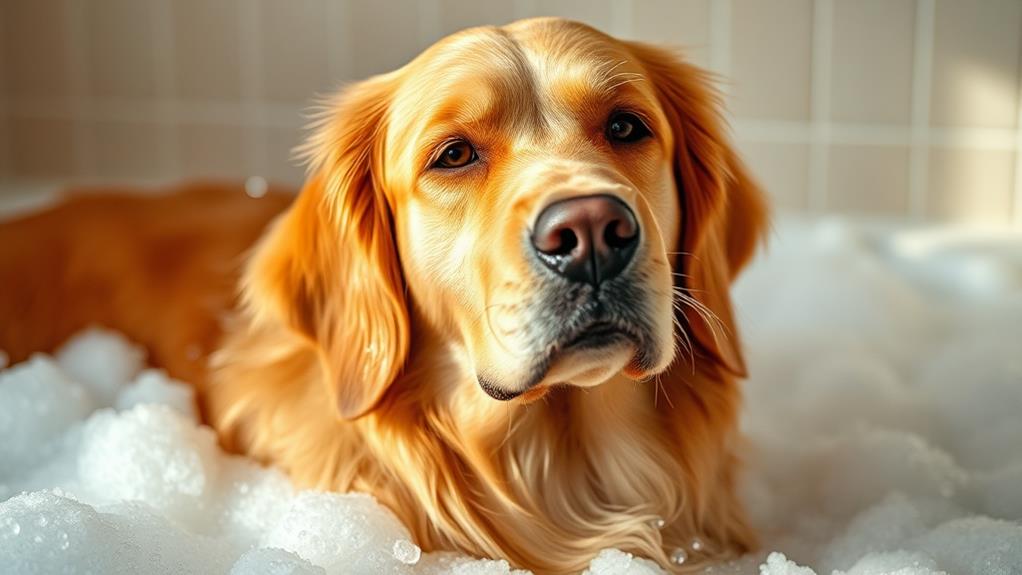
Rinsing a dog can be a delicate process, especially if you want to avoid any irritation to their skin or eyes. Start by using lukewarm water, as extreme temperatures can be uncomfortable for your furry friend.
Position them in a way that allows water to flow away from their face. This helps prevent soap and water from getting into their eyes, which can cause discomfort.
When rinsing, use a gentle stream of water. A handheld sprayer works wonders, but you can also use a cup if that's easier.
Begin at the neck and work your way down the body, ensuring you rinse away all soap thoroughly. Take your time; rushing can lead to missed spots and irritation.
Watch for signs of distress in your dog, like flinching or trying to escape. If your dog seems anxious, take breaks to reassure them and make the experience more comfortable.
Drying Techniques for Comfort
Once your dog is rinsed off, it's important to focus on drying them comfortably.
You can use a variety of towel drying methods or let them air dry, depending on their coat type and preference.
Finding the right technique will help keep your furry friend relaxed and happy post-bath.
Towel Drying Methods
When it comes to towel drying your dog, using the right techniques can make a world of difference in their comfort and happiness.
You want to create a soothing experience that helps them feel secure. Here are some effective methods to consider:
- Gentle Patting: Instead of rubbing, gently pat your dog with the towel. This technique minimizes stress and helps avoid any irritation, especially if they've hot spots.
- Use a Warm Towel: For added comfort, warm the towel slightly in the dryer before use. The cozy sensation can help calm your pup and make the drying process feel like a treat.
- Focus on Problem Areas: Pay extra attention to areas that might be more prone to moisture, like under the belly and between the paws.
Make sure to dry these spots thoroughly to prevent any discomfort.
Air Drying Tips
Air drying your dog can be a comfortable and effective way to ensure they dry off without causing any additional stress.
Start by placing your dog in a warm, draft-free area where they feel safe and relaxed. You might consider using a soft mat or towel to create a cozy spot for them.
While they're drying, keep an eye on them to monitor their comfort level. If they seem restless, try engaging them with a gentle toy or some soothing praise. This can help make the time more enjoyable for both of you.
It's also essential to brush your dog's coat gently as they dry. This helps separate the fur and allows air to circulate, promoting faster drying while preventing mats or tangles.
If your dog enjoys the breeze, you can use a low setting on a fan, keeping it at a distance to avoid overwhelming them.
Aftercare for Hot Spots
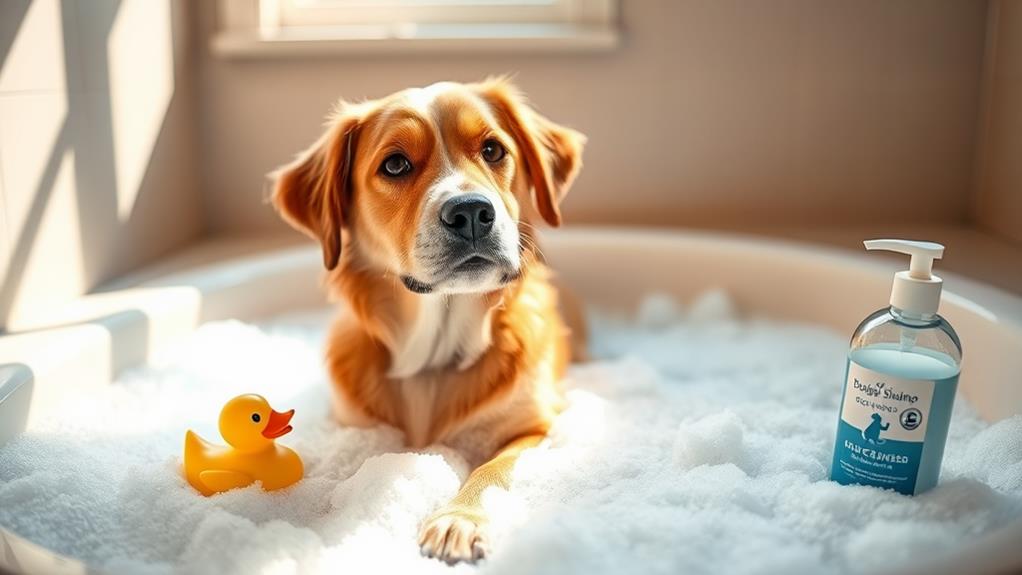
Treating your dog's hot spots effectively requires diligent aftercare to promote healing and prevent recurrence.
After bathing, keep a close eye on the affected area and follow these essential steps:
- Keep the area clean: Gently clean the hot spot with a mild antiseptic solution. This helps remove any allergens or irritants that could worsen the condition.
- Apply topical treatments: Use vet-recommended ointments or creams to soothe itching and promote healing. Make sure to follow the instructions carefully, applying as directed.
- Prevent licking: Your dog's instinct might be to lick the area, which can delay healing. Consider using an Elizabethan collar or a recovery suit to deter them from reaching the hot spot.
When to Seek Veterinary Help
Recognizing the signs that your dog needs veterinary help can be crucial for their health and well-being. If your dog's hot spots show no improvement after a few days of at-home care, it's time to consult a vet.
Look for excessive redness, swelling, or discharge in the affected area. If your dog seems to be in pain or is excessively scratching, biting, or licking the hot spot, don't hesitate to seek professional advice.
Additionally, if your dog develops a fever, loses appetite, or shows signs of lethargy, these could indicate a more serious underlying issue that requires immediate attention.
Pay close attention to any changes in behavior or physical condition, as these might signal that your furry friend needs more than just topical treatment.
Lastly, if your dog has frequent hot spots, it might point to allergies or skin conditions that need a veterinarian's expertise.
Preventing Future Hot Spots
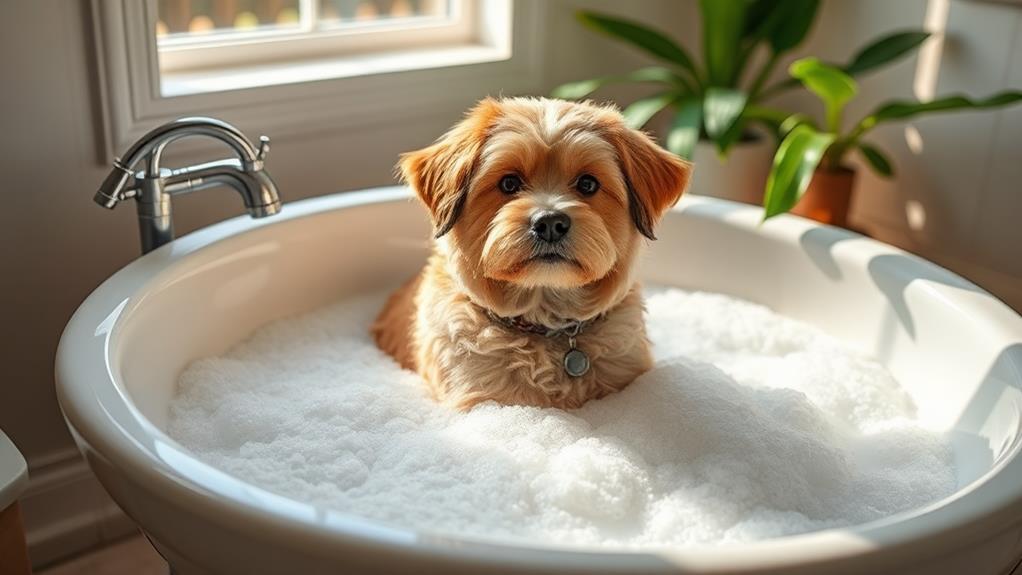
Preventing hot spots from developing in the first place can save your dog from discomfort and the need for veterinary visits. You can take several proactive steps to keep your furry friend healthy and happy.
- Regular Grooming: Brush your dog frequently to remove loose fur and dirt. This helps maintain a healthy coat and prevents matting, which can trap moisture and lead to hot spots.
- Frequent Bathing: Bathe your dog with a gentle shampoo designed for their skin type. Regular baths help keep their skin clean and free from irritants that could cause hot spots.
- Monitor Allergies: Pay attention to any signs of allergies, such as itching or redness. Consult your vet for proper allergy management, as untreated allergies can lead to excessive scratching and potential hot spots.
Tips for a Stress-Free Bath
Bath time can be a stressful experience for both you and your dog, but it doesn't have to be. To make it easier, prepare everything in advance. Gather your supplies—shampoo, towels, and a non-slip mat—before bringing your dog into the bathing area. Keeping the environment calm and familiar helps them feel secure.
Choose a time when your dog is naturally relaxed, such as after a walk. This way, they're less likely to resist being bathed. If possible, bathe them in a warm room to avoid chills. Use lukewarm water to ensure their comfort, and speak softly to reassure them throughout the process.
Always start by wetting their body gently, avoiding the head at first. This gradual approach helps them adjust. Take your time; rushing can increase anxiety for both of you. Consider using a handheld sprayer or a cup for better control over the water flow.
Lastly, remember to keep it positive. A stress-free bath experience not only benefits your dog but also strengthens your bond. With these tips, you'll create a more enjoyable bathing routine, making it easier for you to serve your furry friend's needs.
Positive Reinforcement During Bathing
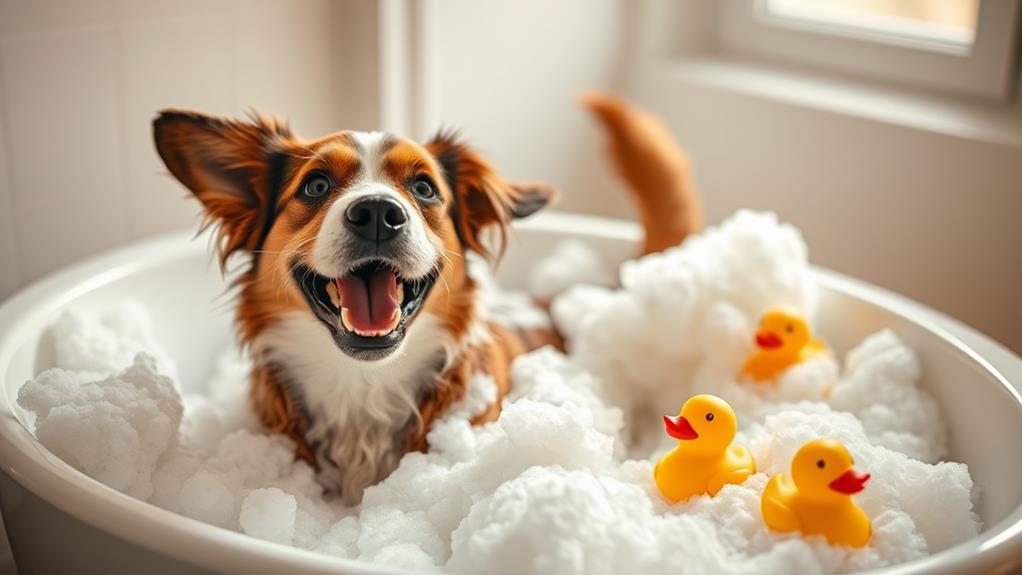
Using positive reinforcement during bath time can make a world of difference in how your dog perceives the experience. By associating bath time with good feelings, you can help your furry friend feel more relaxed and willing.
Here are three simple ways to incorporate positive reinforcement:
- Treats: Keep some tasty treats handy. Reward your dog with a treat after each part of the bath, like getting in the tub or staying calm during rinsing. This helps them associate bath time with something enjoyable.
- Praise: Use a cheerful tone to praise your dog throughout the process. Words like "Good boy!" or "You're doing great!" can uplift their spirits and encourage calm behavior. Your enthusiasm can be contagious!
- Play: After the bath, engage in a fun play session. This not only rewards them for getting through the bath but also helps them associate bath time with pleasure and fun.
Frequently Asked Questions
Can I Use Human Shampoo on My Dog With Hot Spots?
Using human shampoo on your dog isn't recommended, especially if they have hot spots. It can irritate their skin further. Instead, opt for a gentle, dog-specific shampoo to help soothe and heal their skin.
How Often Should I Bathe My Dog With Hot Spots?
You should bathe your dog with hot spots as needed, typically every few weeks. Regular cleaning helps soothe the skin, but don't overdo it; frequent baths can irritate their sensitive skin further.
Are Certain Breeds More Prone to Hot Spots?
Yes, certain breeds like Golden Retrievers, Bulldogs, and German Shepherds are more prone to hot spots due to their skin structure and coat types. You should watch for signs and take preventive measures to help them.
What Natural Remedies Can I Use After Bathing?
After bathing, you'll want to soothe your pup's skin. Consider using aloe vera gel or coconut oil; they're natural remedies that can help reduce irritation and promote healing. Your dog'll feel much more comfortable!
Is It Safe to Use a Blow Dryer on My Dog?
Using a blow dryer on your dog can be safe, but you should keep it on a low setting and maintain distance to avoid burns. Always prioritize your dog's comfort and monitor their reaction during drying.
Conclusion
Bathing a dog with hot spots can be a bit challenging, but it's crucial for their comfort and healing. Remember, "an ounce of prevention is worth a pound of cure." By keeping your pup clean and dry, and addressing skin issues early, you can help prevent future flare-ups. With the right approach and a little patience, you'll turn bath time into a positive experience for both of you. Your furry friend will be thankful for your care!

Carlos Rodriguez is the Senior Product Reviewer at DogShampooReviews.com. With over 15 years of experience in canine grooming and skincare, Carlos brings a wealth of knowledge and passion to our team. His journey began at a young age, growing up on a family farm where he was surrounded by dogs of all breeds and sizes. This early exposure ignited his lifelong dedication to animal care and well-being.
Professional Background
- Certified Dog Groomer: Carlos is a certified professional groomer who has worked in some of the top grooming salons across the country. His expertise spans various grooming techniques suitable for different breeds and coat types.
- Canine Skincare Specialist: Recognizing the importance of skin health in dogs, Carlos pursued additional certifications in dermatological care for canines, specializing in treating skin conditions and allergies.
- Product Testing Expert: With a meticulous eye for detail, Carlos rigorously tests dog shampoos and grooming products, evaluating them on ingredients, efficacy, safety, and overall quality.
Passion for Dogs
Carlos’s love for dogs goes beyond his professional life. He is an active volunteer at local animal shelters, providing grooming services to help adoptable dogs look and feel their best. His own rescued dogs, Bella and Rocky, are often the first to try out new products, ensuring his reviews come from genuine experiences.
Why Trust Carlos
- Unbiased Reviews: Committed to integrity, Carlos ensures all his reviews are honest and based on thorough testing.
- Expert Insight: His extensive knowledge allows him to break down complex information into understandable advice for dog owners.
- Community Engagement: Carlos actively engages with our readers, answering questions and providing personalized recommendations.