You should bathe your dog before trimming. A clean coat removes dirt and loose hair, making the grooming process smoother and more efficient. It helps you spot any tangles or skin issues, leading to a more precise cut. Additionally, a bath can calm your pup, reducing stress during trimming. Bathing after trimming, although it cleans up stray hairs, can lead to uneven cuts and longer drying times. Each dog is unique, so consider your pet’s coat type and temperament for the best grooming experience. There’s more to discover about optimizing your dog’s grooming routine.
Key Takeaways
- Bathing before trimming removes dirt and loose hair, leading to a more efficient grooming process.
- Wet fur can clump, making it challenging to achieve an even cut when trimming.
- Bathing after trimming enhances the coat’s polished appearance and removes stray hairs.
- Skin sensitivity may increase if trimming is done before bathing, potentially causing irritation.
- Consider your dog’s coat type and temperament to determine the best grooming routine.
Importance of Grooming Timing
When it comes to grooming your dog, timing can make a significant difference in the overall experience for both you and your pet. By choosing the right moment for grooming, you can create a more pleasant environment that reduces stress and enhances your dog’s comfort.
It’s essential to consider how your dog feels about grooming and what they need most at that time. Before you begin, observe your dog’s energy levels and mood. If they’re calm and relaxed, that’s the perfect time to start.
You might want to establish a routine, so your dog knows what to expect, as this predictability can ease their anxiety. Additionally, remember that grooming isn’t just about aesthetics; it’s an opportunity to bond with your furry friend.
When you’re attentive to their needs and timing, you’re not only providing care but also reinforcing trust and connection. Ultimately, being mindful of timing in your grooming process ensures it’s a positive experience for both of you.
Prioritizing your dog’s comfort during grooming sets the stage for a successful and enjoyable session, fostering a stronger, happier relationship.
Benefits of Bathing Before Trimming
Bathing your dog before trimming offers several advantages.
You’ll get a cleaner coat, making it easier to spot any matting or tangles.
Plus, a bath can help reduce shedding during grooming, keeping the mess to a minimum.
Cleaner Coat for Trimming
A cleaner coat makes a significant difference when it comes to trimming your dog. When you bathe your furry friend before the grooming session, you’re not just providing them with a refreshing experience; you’re also ensuring that the trimming process is more effective and enjoyable for both of you.
A clean coat allows the groomer’s tools to glide more smoothly, making it easier to achieve an even trim. Bathed fur is less likely to have dirt, oils, or debris that can interfere with the cutting process. This means you’ll get a more precise cut, resulting in a neater appearance.
Plus, a clean coat helps you better assess the overall health of your dog’s skin and fur. You can spot any issues like skin irritations or unusual lumps that might require attention.
Additionally, your dog will likely feel more comfortable and relaxed after a bath. This calm state can make the trimming experience less stressful for them, as they associate grooming with cleanliness and care.
Easier to Spot Matting
Spotting matting becomes much easier after a bath, as the water helps loosen any tangled hair and exposes areas that might otherwise be hidden.
When you give your dog a bath before trimming, you’ll notice those tricky mats that can be hard to see in a dry coat. The moisture makes it simpler to separate the fur, allowing you to identify and address matting issues more effectively.
Taking the time to bathe your dog first not only enhances your ability to spot mats, but it also ensures a more comfortable experience for your furry friend.
You’ll be able to work through any tangles gently and thoroughly, minimizing stress for both of you. In addition, a clean coat allows you to assess the overall condition of your dog’s fur, helping you spot any potential skin issues that might need attention.
Reduced Shedding During Grooming
Reducing shedding during grooming is another significant benefit of giving your dog a bath before trimming. When you bathe your dog, the warm water and shampoo help loosen any loose fur and dander, making it easier to remove during trimming. This process not only keeps your grooming area cleaner, but it also helps minimize the amount of hair that ends up stuck to your clothes and furniture.
Additionally, bathing your dog before a trim allows you to better assess their coat. You’ll notice any underlying issues, like skin irritation or parasites, that might be hiding beneath the fur. This proactive approach ensures you’re taking the best care of your furry friend while enhancing their comfort during grooming.
Moreover, reduced shedding means a more pleasant grooming experience for both you and your dog. You can focus on giving them a great haircut without the distraction of flying fur everywhere.
Ultimately, bathing your dog before trimming contributes to a healthier coat and a happier grooming session, making it easier for you to serve your dog’s needs effectively. So, when it’s grooming time, consider a bath first—it’s a win-win for both of you!
Drawbacks of Bathing Before Trimming
Bathing your dog before trimming can lead to several drawbacks that may complicate the grooming process. One major issue is that wet fur can clump together, making it difficult to see the dog’s natural coat patterns. This can result in uneven cuts and a less desirable appearance post-grooming.
Additionally, when your dog’s coat is wet, it can be much harder to get a clean trim, especially for longer-haired breeds.
Another concern is that wet fur can hold onto dirt and debris, which mightn’t have been fully removed during the bath. This can create a mess during trimming and lead to additional clean-up afterward.
Furthermore, trimming a wet coat can dull your clippers or scissors more quickly, leading to extra time and money spent on maintenance.
Lastly, if your dog tends to shake off water or becomes restless after a bath, it could make the trimming process more challenging.
All these factors can add stress for both you and your dog, making the grooming experience less enjoyable. So, consider these drawbacks when deciding the best grooming routine for your furry friend.
Advantages of Bathing After Trimming
One of the key advantages of bathing your dog after trimming is that it helps remove any loose hair and debris that may have accumulated during the grooming process.
You’ll notice just how much hair collects during trimming, and a bath can effectively wash away this mess, leaving your dog clean and fresh.
Bathing after trimming also allows you to examine your dog’s skin more thoroughly. You’ll have a chance to check for any irritations or issues that might need attention.
Plus, wetting your dog’s coat after trimming can enhance the overall appearance, making the fur look more vibrant and polished.
Additionally, a post-trim bath can provide a soothing experience for your dog. The warm water can help relax them, especially after the excitement of grooming.
This calming effect can foster a stronger bond between you and your pup, as they associate bath time with care and comfort.
Lastly, a clean dog is a happy dog! By bathing them after trimming, you not only ensure they look great but also feel great, promoting their overall well-being.
Disadvantages of Bathing After Trimming
Bathing your dog after trimming can lead to a few complications you mightn’t expect.
Wet fur makes it harder to achieve a clean cut, and you could also increase the risk of skin irritation from the combination of water and grooming products.
Plus, you’ll face a longer drying time, which can be inconvenient for both you and your pet.
Wet Fur Complicates Trimming
Wet fur can seriously complicate the trimming process, making it challenging to achieve an even cut. When your dog’s coat is damp, the hair tends to stick together, leading to uneven lengths and missed spots. You want your pet to look their best, and wet fur can prevent you from delivering that polished finish.
Additionally, trimming a wet coat can cause your clippers to pull or snag, which can be uncomfortable for your dog. This not only makes for a frustrating experience for both of you but could also lead to anxiety about future grooming sessions. You wouldn’t want your furry friend to associate grooming with discomfort, would you?
Also, consider the type of coat your dog has. Certain breeds, like those with long or thick fur, can become matted when wet. If you trim after a bath, you may end up with a tangled mess that’s harder to manage.
Increased Skin Irritation Risk
Trimming your dog’s fur before a bath can help minimize the risk of skin irritation. When you bathe your dog after trimming, the freshly cut hair can lead to increased skin sensitivity. The sharp edges of the newly trimmed fur might irritate your dog’s skin, especially if the skin is already delicate or prone to issues.
You might notice that your furry friend is more likely to scratch or bite at their skin after a bath that follows a trim. This behavior can exacerbate any irritation, causing discomfort and potential skin infections.
Furthermore, if you’re using soaps or shampoos during the bath, they can get trapped in the freshly cut fur, leading to additional irritation as the skin absorbs these products.
To ensure your dog feels comfortable and relaxed, it’s best to avoid bathing them right after a trim. Prioritizing their skin health will keep them happy and itch-free.
Longer Drying Time Needed
One significant drawback of bathing your dog after trimming is the longer drying time required. After you’ve groomed your pup, their freshly trimmed fur is often damp, leading to a more prolonged drying process. This can be inconvenient, especially if you’re trying to keep your dog comfortable and happy.
When you bathe your dog post-trim, you might find yourself spending extra time just waiting for their coat to dry. This can be particularly challenging during colder months when your dog may become chilly. If you’re committed to providing the best care for your furry friend, consider the implications of a lengthy drying session.
Additionally, the moisture can lead to discomfort, particularly for breeds with thick or long coats, as wet fur can feel heavy and cumbersome. You may also need to use a blow dryer to expedite the process, which some dogs find stressful.
Ultimately, weighing the benefits and drawbacks is crucial. If you want your dog to feel their best after grooming, you might find it’s more effective to bathe them before trimming, ensuring a quicker and more comfortable drying experience.
Consider Your Dog’s Coat Type
When deciding whether to bathe your dog before or after trimming, it’s essential to consider the type of coat your furry friend has.
If your dog has a long, thick, or double coat, bathing before trimming can help remove tangles and mats. Clean fur is easier to cut, and it allows you to see the coat’s condition more clearly. However, be mindful that a freshly washed coat may take longer to dry, which could prolong the grooming process.
On the other hand, if your dog has a short or single coat, you might find it beneficial to trim first. This approach can help you manage shedding and dirt more efficiently since you can clean up the loose hair afterward. By trimming first, you’ll also avoid the risk of trapping moisture in the coat, which can lead to skin issues.
Ultimately, understanding your dog’s specific coat type will guide your decision.
Whether you choose to bathe before or after, ensuring your dog is comfortable and well-groomed is the priority. Tailoring your grooming routine to your dog’s coat will make the process smoother and more enjoyable for both of you.
Grooming Tools and Their Impact
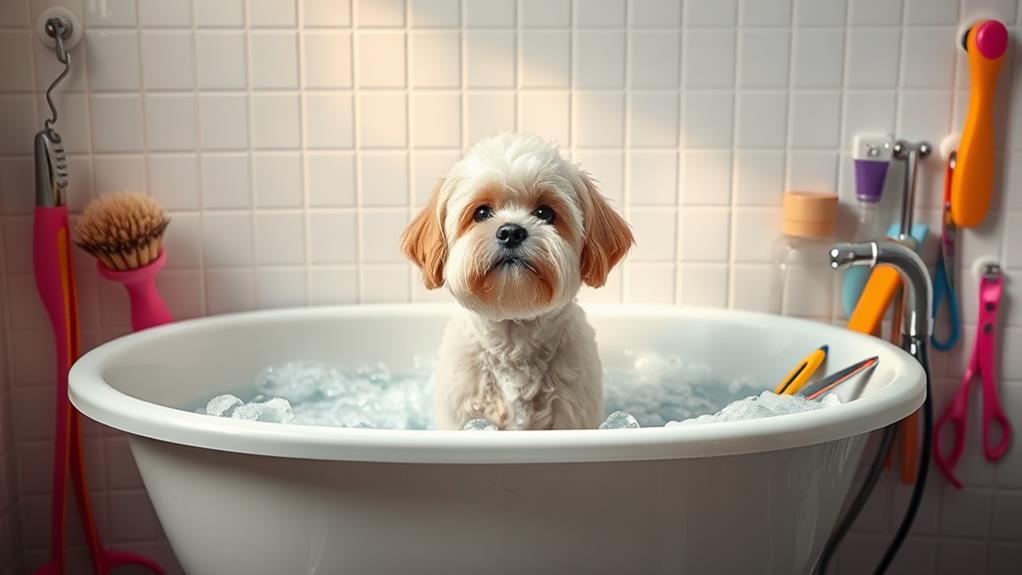
When choosing grooming tools, you’ll notice that their efficiency and performance can make a big difference in how your dog looks and feels.
It’s also important to clean your dog before grooming to prevent tangles and mats from forming.
Understanding the right tools and techniques will help you achieve the best results for your furry friend.
Tool Efficiency and Performance
Grooming tools play a crucial role in achieving an efficient and effective trim for your dog. When you invest in high-quality tools, you’re not just making your job easier; you’re also enhancing your dog’s comfort and overall experience.
Sharp scissors, reliable clippers, and well-designed brushes can significantly reduce the time and effort you spend grooming, allowing you to focus on what truly matters—your dog’s well-being.
Using the right tools also means achieving a cleaner cut and a neater finish. Dull blades or poorly crafted brushes can tug at your dog’s fur, causing discomfort and leading to a stressful grooming session. This is why it’s essential to choose tools specifically designed for your dog’s coat type.
Additionally, consider how tool performance impacts the grooming routine. For instance, electric clippers can speed up the process while ensuring an even trim, whereas manual tools might require more skill and time.
Cleaning Before Grooming
Preparing your dog for grooming starts with a clean slate. Bathing your furry friend before trimming not only ensures their coat is free of dirt and debris but also makes the grooming process smoother. When you cleanse their coat, you’ll find that grooming tools like clippers and brushes work more efficiently, reducing the risk of snagging and pulling.
Additionally, a clean coat helps you spot any skin issues or parasites that might be hiding beneath the fur. By addressing these concerns before you start trimming, you can provide better care for your dog.
It’s also important to dry your dog thoroughly after the bath; a damp coat can weigh down fur and affect how your tools perform.
Using the right grooming tools matters too. High-quality brushes and clippers can make the job easier, but their effectiveness is significantly enhanced when your dog is clean.
Tips for Effective Bathing
Your dog’s bath time can be a breeze with the right approach. First, gather all your supplies beforehand—dog shampoo, towels, a non-slip mat, and a brush. This way, you won’t have to leave your dog unattended while you search for items.
Before you start, brush your dog to remove any tangles and loose fur. This step not only makes bathing easier but also keeps your dog comfortable.
When it’s time for the bath, ensure the water is warm, not too hot or cold. A gentle stream from a handheld showerhead or a cup can help you wet your dog evenly.
Apply a dog-specific shampoo and lather well, avoiding the eyes and ears. Rinse thoroughly to ensure no residue remains, as it can irritate their skin.
After the bath, use a towel to dry your dog, and consider using a blow dryer on a low setting if your dog is comfortable with it.
Professional Grooming Insights
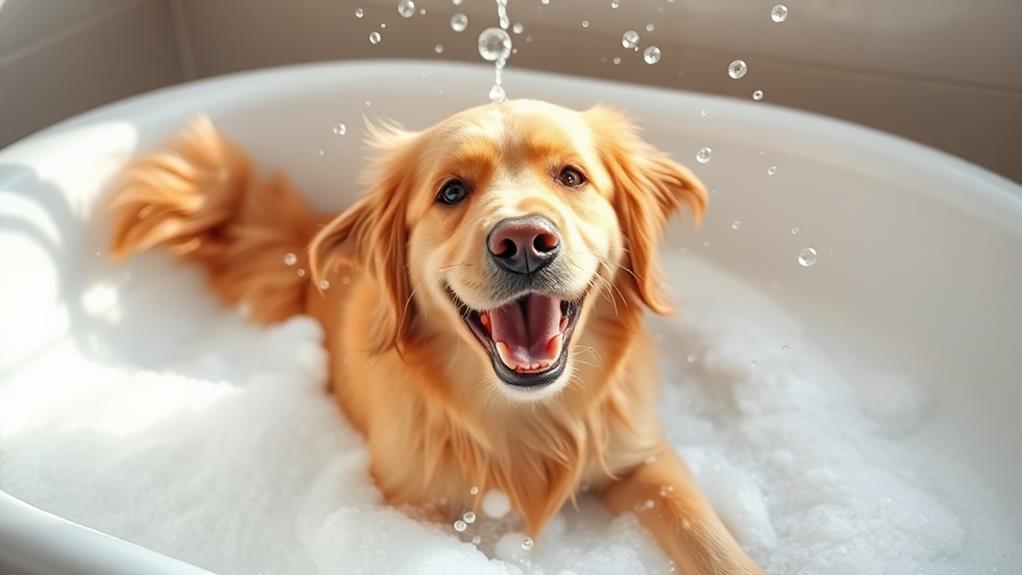
Finding the right time to bathe your dog in relation to trimming can significantly impact the grooming process.
Professional groomers often recommend bathing before trimming for several reasons. First, a clean coat is much easier to work with. Dirt and oils can dull your clippers and make it harder to achieve a smooth finish. When you bathe your dog first, you also get a chance to check for any skin issues or mats that need attention.
On the other hand, if you choose to bathe after trimming, it can help remove any hair clippings that stick to your dog’s coat. However, you should consider that damp fur may not give you the best results for precise trimming. Additionally, a freshly trimmed coat can be more susceptible to matting if it’s not dried properly.
When in doubt, consult with a professional groomer for their insights. They can provide personalized advice based on your dog’s breed, coat type, and individual needs.
Ultimately, prioritizing your dog’s comfort and well-being during the grooming process is essential, so choose the timing that works best for both you and your furry friend.
Final Thoughts on Grooming Timing
Timing is crucial in the grooming process, as it can greatly influence both the outcome and your dog’s comfort. When deciding whether to bathe your dog before or after trimming, consider their coat type and temperament. A bath before trimming helps remove dirt and loose hair, making your job easier and ensuring a cleaner cut. It also lets you inspect your dog’s skin for any issues that might need attention.
On the other hand, bathing after trimming can be beneficial for dogs with longer coats. It allows you to achieve a polished look and can help remove any stray hairs that might’ve escaped during the grooming process. Moreover, a fresh bath can leave your dog feeling refreshed and looking their best.
Ultimately, the choice depends on your dog’s specific needs and your grooming routine. Pay attention to how your dog reacts during grooming sessions, and adjust accordingly.
Frequently Asked Questions
Can I Use Human Shampoo on My Dog Before Trimming?
You shouldn’t use human shampoo on your dog, as it can irritate their skin. Instead, opt for a gentle dog shampoo that’s pH-balanced, ensuring your furry friend stays clean and comfortable during grooming.
How Often Should I Bathe My Dog Between Trims?
You should bath your dog every four to six weeks, depending on their breed and lifestyle. Regular baths keep their coat clean and healthy, making grooming easier and more enjoyable for both you and your pup.
What Are Signs My Dog Needs a Bath?
If your dog’s coat feels greasy, has an odor, or shows dirt and debris, it’s time for a bath. Also, check for excessive scratching or skin irritation; these signs suggest a bath could help.
Does My Dog’s Age Affect Bathing and Trimming Timing?
Your dog’s age definitely affects bathing and trimming timing. Puppies might need more frequent baths, while older dogs may require gentler handling. Always consider their comfort and health, adjusting your routine to their unique needs.
Can I Trim My Dog’s Nails Before or After Bathing?
Imagine trimming tiny branches from a tree. You can trim your dog’s nails before or after bathing, but doing it before keeps them clean for the wash, while after ensures a tidy finish. Choose what suits you!
Conclusion
In the grand scheme of grooming, timing is everything. Bathing your dog before trimming can help remove loose fur and dirt, making the process smoother. However, bathing after trimming can highlight your pup’s fresh look and keep them cleaner. Ultimately, it’s about what works best for you and your furry friend. So, whether you choose to bathe before or after, just remember to keep it fun—grooming should feel like a spa day, not a chore!

Carlos Rodriguez is the Senior Product Reviewer at DogShampooReviews.com. With over 15 years of experience in canine grooming and skincare, Carlos brings a wealth of knowledge and passion to our team. His journey began at a young age, growing up on a family farm where he was surrounded by dogs of all breeds and sizes. This early exposure ignited his lifelong dedication to animal care and well-being.
Professional Background
- Certified Dog Groomer: Carlos is a certified professional groomer who has worked in some of the top grooming salons across the country. His expertise spans various grooming techniques suitable for different breeds and coat types.
- Canine Skincare Specialist: Recognizing the importance of skin health in dogs, Carlos pursued additional certifications in dermatological care for canines, specializing in treating skin conditions and allergies.
- Product Testing Expert: With a meticulous eye for detail, Carlos rigorously tests dog shampoos and grooming products, evaluating them on ingredients, efficacy, safety, and overall quality.
Passion for Dogs
Carlos’s love for dogs goes beyond his professional life. He is an active volunteer at local animal shelters, providing grooming services to help adoptable dogs look and feel their best. His own rescued dogs, Bella and Rocky, are often the first to try out new products, ensuring his reviews come from genuine experiences.
Why Trust Carlos
- Unbiased Reviews: Committed to integrity, Carlos ensures all his reviews are honest and based on thorough testing.
- Expert Insight: His extensive knowledge allows him to break down complex information into understandable advice for dog owners.
- Community Engagement: Carlos actively engages with our readers, answering questions and providing personalized recommendations.