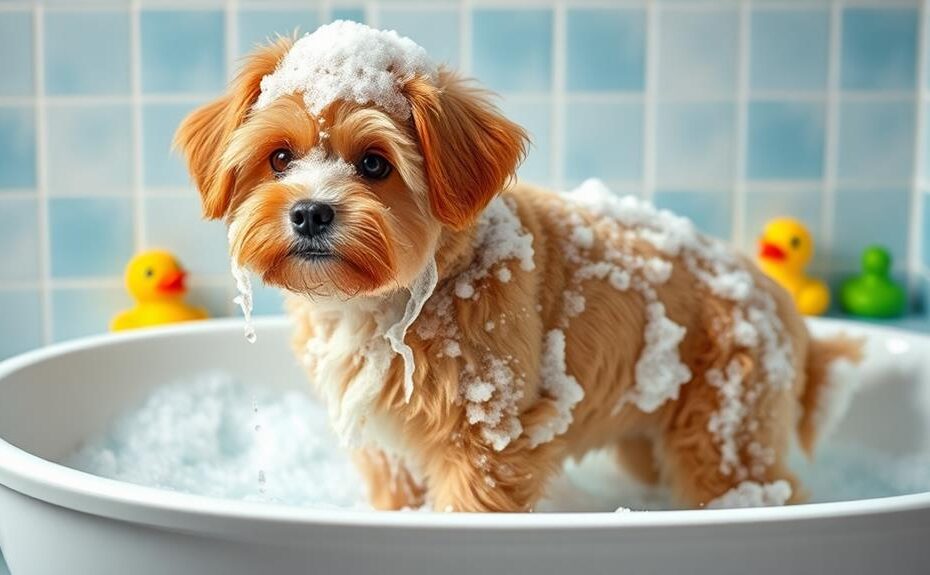
You shouldn’t bathe your dog after every walk, as over-bathing can strip their natural oils, leading to dry skin and irritation. Instead, a quick wipe-down with a damp cloth can effectively remove dirt while preserving those essential oils. Regular grooming and brushing further support your dog’s coat health and reduce the need for frequent baths. Ideally, bathe your dog every four to six weeks, tailoring the schedule to their specific needs. If you want to learn more about maintaining your dog’s hygiene without over-bathing, keep going to discover helpful tips!
Key Takeaways
- Frequent bathing can strip your dog’s natural oils, leading to dry skin and irritation; avoid bathing after every walk.
- Instead of a full bath, quick wipe-downs with damp cloths can effectively clean your dog after walks.
- Regular grooming, including brushing, helps remove dirt and dander without the need for frequent baths.
- Monitor for visible dirt, odor, or skin irritation to determine if a bath is necessary after walks.
- Adjust bathing frequency based on coat type and outdoor conditions; some dogs may need baths more often than others.
Understanding Dog Hygiene
When it comes to dog hygiene, maintaining a balance is key. You want your furry friend to be clean and healthy without overdoing it. Bathing your dog too often can strip their coat of natural oils, leading to dry skin and irritation.
Instead of rushing to the bathtub after every walk, consider their environment. If your dog plays in mud or encounters dirt, a bath may be necessary. However, if they simply enjoy a stroll on a clean sidewalk, a quick wipe-down with a damp cloth can suffice.
Regular grooming plays a vital role in dog hygiene too. Brushing your dog’s coat helps remove dirt, dead hair, and dander, keeping their skin healthy and their coat shiny. This not only prevents matting but also allows you to check for any skin issues.
Additionally, don’t forget about dental care and nail trimming, both essential for your dog’s well-being.
The Role of Natural Oils
Natural oils play a crucial role in maintaining your dog’s skin and coat health. These oils, produced naturally by your dog’s skin, help to keep their coat shiny and moisturized. When you bathe your dog too frequently, you risk stripping away these essential oils, which can lead to dryness and irritation.
Instead of bathing after every walk, consider wiping your dog down with a damp cloth to remove dirt and debris while preserving those natural oils. This gentle approach cleans without compromising their skin’s natural barrier.
You can also incorporate regular brushing into your routine, as it distributes these oils evenly throughout the coat, enhancing its health and appearance.
If you notice your dog’s coat becoming dull or dry, it might be a sign that their natural oils need more time to replenish. Providing a balanced diet rich in omega fatty acids can also support oil production, promoting a lustrous coat.
Skin Sensitivity in Dogs
Your dog’s skin can be sensitive, leading to common irritations that may arise from environmental factors or harsh products.
Understanding how often to bathe your dog is crucial in preventing these issues while ensuring their skin remains healthy.
Let’s explore the guidelines for bathing frequency and how to recognize signs of skin irritation in your furry friend.
Common Skin Irritations
Many dog owners mightn’t realize that skin sensitivity can lead to various irritations in their pets. If your dog’s skin reacts negatively to environmental factors, you might notice symptoms like redness, itching, or flaking. These irritations can stem from allergens like pollen, dust mites, or even certain fabrics.
You may also encounter hotspots, which are inflamed areas that can develop when your dog scratches or licks excessively. These spots can become painful and require prompt attention.
Another common issue is dry skin, often exacerbated by seasonal changes or low humidity. It’s essential to keep an eye on your dog’s coat and skin condition, as changes can indicate underlying problems.
Parasites like fleas and ticks can also cause significant irritation. If you notice your dog scratching more than usual, it might be time to investigate further.
Pay attention to any changes in behavior or appearance, as these can guide you in providing the best care possible. By staying vigilant, you can help alleviate your dog’s discomfort and ensure they remain happy and healthy.
Bathing Frequency Guidelines
Establishing a proper bathing frequency is crucial for maintaining your dog’s skin health and comfort. While it might seem tempting to wash your dog after every walk, over-bathing can strip natural oils, leading to dryness and irritation. Instead, consider your dog’s skin sensitivity, coat type, and activity level.
For most dogs, a bath every four to six weeks is adequate. If your dog has sensitive skin or suffers from allergies, you may need to adjust this frequency. Dogs with thicker fur may require more frequent brushing to remove dirt and debris, reducing the need for baths.
After particularly muddy walks or playdates, it’s acceptable to give your dog a quick rinse to remove excess dirt without a full bath. Always use a gentle, dog-specific shampoo to avoid irritation.
Keep an eye on your dog’s skin condition. If you notice excessive scratching, redness, or flaking, consult your vet. They can recommend a bathing schedule tailored to your dog’s needs.
Ultimately, balancing cleanliness with skin health ensures your furry friend remains happy and comfortable.
Frequency of Dog Baths
When considering how often to bathe your dog, think about their skin health and exposure to dirt and allergens.
Frequent baths can strip natural oils, causing irritation, while not bathing enough can lead to a buildup of grime and allergens.
Finding the right balance is key to keeping your dog comfortable and healthy.
Skin Health Considerations
Bathing your dog too frequently can lead to skin issues, as it strips away natural oils that keep their coat healthy and hydrated. When you wash your dog after every walk, you might inadvertently disrupt this balance, leaving their skin dry and prone to irritation.
It’s essential to understand that these natural oils serve as a protective barrier, shielding your dog from environmental stressors.
To maintain optimal skin health, aim to bathe your dog every 4 to 6 weeks, unless they’ve gotten into something particularly messy. This allows their skin to regenerate and their coat to remain shiny and resilient.
If your dog has specific skin conditions or sensitivities, consult your veterinarian for tailored advice on bathing frequency.
Instead of frequent baths, consider brushing your dog regularly. This can help remove dirt and loose fur while distributing those vital natural oils throughout their coat.
By prioritizing your dog’s skin health, you’re not only serving their well-being but also enhancing their overall comfort and happiness.
Dirt and Allergens
A significant amount of dirt and allergens can cling to your dog’s coat during walks, making it tempting to bathe them frequently. However, over-bathing can strip their coat of natural oils, leading to dry skin and discomfort. Instead of jumping into the bath every time, consider the level of dirt and allergens your dog encounters.
If your dog enjoys a leisurely stroll in a clean park, a quick wipe-down with a damp cloth might suffice. For those muddy adventures or allergy-prone areas, a bath may be necessary, but it shouldn’t be a daily routine.
Monitor your dog’s coat and skin; if you notice excessive itching or dryness, adjust your bathing frequency. You can also help your furry friend by brushing them regularly. This not only removes loose dirt and allergens but also promotes a healthy coat.
If you’re ever unsure, consult with your vet to determine the best bathing schedule for your dog’s specific needs. By striking a balance, you’ll keep your dog clean and comfortable while respecting their skin health.
Signs Your Dog Needs a Bath
Recognizing the signs that your dog needs a bath can save you from unwanted odors and skin issues. Pay attention to your dog’s coat and skin. If it feels greasy or looks dull, it’s a clear indication they need a wash. Additionally, if you notice an unpleasant smell, don’t ignore it; this could signal dirt buildup or skin problems.
Check for visible dirt or grime, especially on their paws, belly, and face. If your dog has been rolling in mud or playing in water, they might need a bath sooner rather than later.
Don’t forget about their ears and paws; if they appear dirty or have an unusual odor, it’s time for a cleansing session. Skin irritations, such as itching or excessive scratching, can also indicate a need for a bath to help soothe their skin and remove allergens.
Lastly, if your dog’s shedding increases, a bath can help reduce loose fur and dander.
Regularly observing your dog for these signs ensures they stay clean and comfortable, ultimately serving their health and happiness.
Alternatives to Frequent Bathing
While regular baths are important for your dog’s hygiene, there are effective alternatives that can help maintain cleanliness without frequent washing.
One great option is using pet wipes. These wipes are designed specifically for dogs and can quickly clean their paws, face, and other areas that collect dirt and debris during walks. Just a few swipes can make a big difference!
Another alternative is a waterless shampoo. These products allow you to freshen up your dog’s coat without the need for a full bath. Simply apply the shampoo, massage it in, and brush it out—easy and convenient!
You can also invest in a pet-friendly grooming spray. These sprays can neutralize odors and add a pleasant scent to your dog’s fur, keeping them smelling fresh between baths.
Impact of Outdoor Activities
Outdoor activities can significantly impact your dog’s cleanliness and overall health. When you take your furry friend for walks, they encounter dirt, mud, and various allergens. These elements can cling to their fur, leading to potential skin irritations or infections if left unchecked.
Plus, outdoor adventures expose your dog to other animals, which could introduce parasites like fleas or ticks.
Engaging in regular outdoor play not only keeps your dog active but also supports their mental well-being. However, it’s essential to be mindful of what they might pick up during these escapades.
If your dog loves rolling in the grass or playing in puddles, you might notice they come home dirtier than when you left. This can lead to an increase in allergens in your home, affecting both your dog’s health and your family’s.
Bathing Techniques and Tips
When it comes to bathing your dog, knowing how often to do it and what products to use is key.
You’ll want to explore effective bathing techniques that make the process easier for both you and your pup.
Let’s break down the ideal bathing frequency, the best products, and a quick overview of techniques that work.
Ideal Bathing Frequency
How often should you bathe your dog? The answer isn’t one-size-fits-all, as it largely depends on your dog’s breed, coat type, and lifestyle. For most dogs, a bath every 1 to 3 months is typically sufficient.
However, if your dog loves to roll in mud or has a tendency to get dirty, you might need to adjust this frequency.
Consider your dog’s skin health, too. Overbathing can strip natural oils, leading to dryness or irritation. Always pay attention to their coat and skin; if it looks dull or feels greasy, it might be time for a wash.
When you do decide to bathe your dog, aim for a warm, calm environment. Use a gentle, soothing approach to make the experience pleasant for both of you.
Rinse thoroughly, ensuring no soap residue remains, as this can cause skin irritation later.
Lastly, keep an eye on your dog’s behavior. If they start to smell or develop flaky skin, it’s a good indicator that you might need to adjust your bathing schedule.
Trust your instincts; you’ll know what’s best for your furry friend!
Effective Bathing Products
Choosing the right bathing products can make all the difference in your dog’s grooming routine. Start by selecting a gentle, dog-specific shampoo that caters to your pup’s skin type. If your dog has sensitive skin, look for hypoallergenic options. For dogs with allergies, oatmeal-based shampoos can help soothe irritation and provide relief.
Don’t forget about conditioner! A good conditioner can help detangle fur, making brushing easier and leaving your dog’s coat soft and shiny. If your dog has long hair, consider using a leave-in conditioner for additional moisture and protection.
You should also invest in quality grooming tools. A rubber brush or grooming mitt can help remove loose fur and dirt, making the bathing process more effective.
After bathing, using a microfiber towel can speed up drying time and reduce the risk of your dog catching a chill.
Lastly, consider a dog-friendly deodorizing spray or wipes to keep your pet smelling fresh between baths. With the right products, you’ll not only make bath time enjoyable, but you’ll also promote your dog’s overall health and well-being. Your furry friend will thank you!
Bathing Techniques Overview
Bathing your dog effectively can make a significant difference in their grooming routine and overall comfort.
To start, gather all your supplies before you begin—this includes dog shampoo, towels, and a non-slip mat. Make sure the water temperature is lukewarm, as extreme temperatures can be uncomfortable for your furry friend.
When you’re ready, gently wet your dog’s coat, avoiding their head initially. Apply shampoo, massaging it into their fur to create a good lather. Pay special attention to areas that trap dirt, like under the belly and between the paws.
Rinse thoroughly to ensure no residue remains, as leftover shampoo can irritate their skin. For the face, use a damp cloth instead of pouring water directly, keeping it calm and stress-free.
After rinsing, wrap your dog in a towel to soak up excess water, and if they tolerate it, use a blow dryer on a low setting to help dry their coat.
Choosing the Right Shampoo
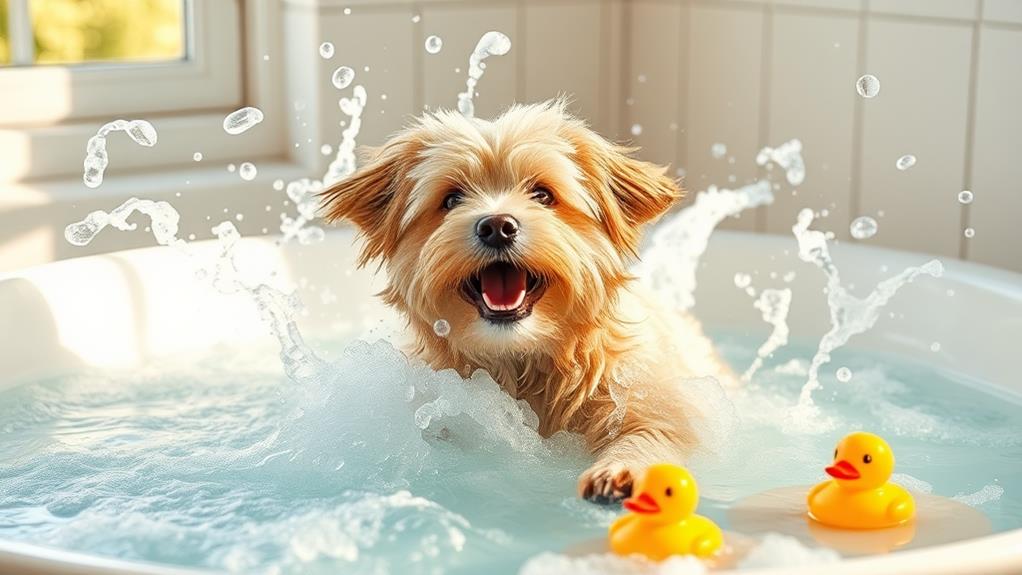
When selecting the right shampoo for your dog, it’s essential to consider their specific needs and skin type. Not all dogs are the same, and each may require a different formula.
If your pup has sensitive skin, look for hypoallergenic shampoos that are free from harsh chemicals and fragrances. These gentle options help avoid irritation while keeping their coat clean.
For dogs with dry or flaky skin, moisturizing shampoos can provide relief and nourishment. Ingredients like oatmeal or aloe vera can soothe and hydrate, promoting a healthier skin barrier.
If your furry friend has a thick or long coat, a de-shedding or detangling shampoo can make grooming much easier.
Additionally, consider any allergies your dog might have. Always read ingredient labels and consult your veterinarian if you’re unsure.
Lastly, avoid human shampoos, as they can disrupt your dog’s natural pH balance. Choosing the right shampoo is a crucial step in ensuring your dog stays comfortable and healthy after every walk.
Seasonal Considerations
When the seasons change, your dog’s bathing routine might need to adjust too.
Weather conditions can lead to more dirt and mud on their fur, while seasonal allergies can introduce irritants that require extra care.
Plus, your dog’s coat type can influence how often you should bathe them throughout the year.
Weather Conditions Impact
Weather can significantly influence your decision to bathe your dog after walks. If you’ve just returned from a rainy day stroll, your pup might be muddy and wet, making a bath almost essential.
On the other hand, during sunny or dry conditions, your dog may not need a full wash. A quick wipe down with a damp cloth could suffice in such cases.
In colder weather, you should consider how your dog interacts with snow or ice. If they’ve been playing in the snow, they might come back with clumps of ice or salt stuck to their fur, which can irritate their skin. A bath can help remove these irritants and keep your dog comfortable.
Conversely, during the hot summer months, your dog may just need a rinse to remove sweat and dirt. Frequent baths in hot weather can dry out their skin, so consider using waterless shampoos or wipes to keep them fresh without over-bathing.
Ultimately, adjust your bathing routine based on the weather conditions, ensuring your dog stays clean, healthy, and comfortable after each walk.
Being attentive to these details shows how much you care for your furry friend.
Seasonal Allergies and Irritants
As the seasons change, your dog may encounter various allergens and irritants that can affect their skin and overall health. Pollen from blooming flowers in spring, mold spores in autumn, or dust from winter winds can all trigger allergies.
When your dog walks through these environments, they may pick up these irritants on their paws and fur, leading to itching and discomfort. To help alleviate any potential reactions, consider bathing your dog after walks, especially during peak allergy seasons. A gentle rinse can wash away pollen, mold, and other allergens, helping to keep their skin clean and irritation-free.
Pay attention to your dog’s behavior; if you notice them scratching more than usual or developing red patches, it might be time for a bath. Additionally, using hypoallergenic shampoos can be beneficial during allergy seasons. They’re designed to soothe sensitive skin and can provide relief from irritation.
Always consult your veterinarian if you’re unsure or if your dog shows signs of severe allergies. By being proactive and attentive, you can ensure your furry friend stays comfortable and healthy throughout the changing seasons.
Coat Type Considerations
Your dog’s coat type plays a crucial role in determining how often you should bathe them after walks, especially as seasons change.
For dogs with short coats, like Beagles or Boxers, you might find that a quick wipe-down with a damp cloth is often enough, particularly in warmer months. This helps remove dirt and allergens without the need for frequent baths.
On the other hand, long-haired breeds such as Golden Retrievers or Afghan Hounds can trap dirt and debris more easily, especially during muddy or rainy seasons. Regular grooming is essential, and you may need to bathe them more often to keep their coats clean and healthy.
In colder months, consider the benefits of natural oils in your dog’s coat that help protect their skin. Excessive bathing could strip these oils away, leading to dryness.
During hot weather, however, a bath might be more refreshing and needed to combat sweat and odor.
Ultimately, pay attention to your dog’s individual needs based on their coat type and the environment. This way, you’ll ensure they stay clean, comfortable, and happy throughout the seasons.
Managing Muddy Paws
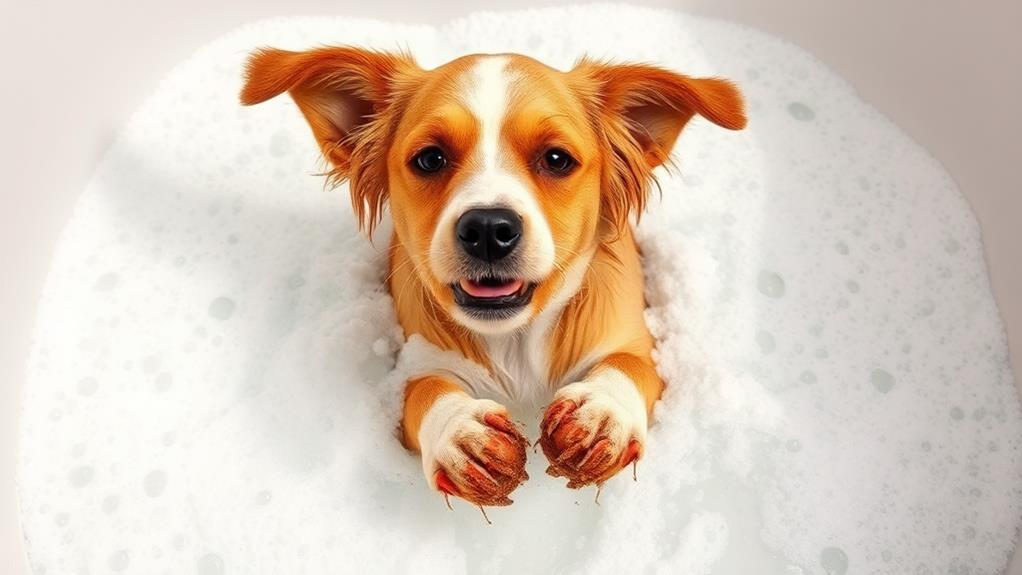
While muddy paws can be a hassle after a walk, managing the mess doesn’t have to be overwhelming. Start by keeping a set of supplies near your entryway. A sturdy towel, a small bucket of water, and a paw brush can make all the difference.
When you get home, gently wipe your dog’s paws with the towel to remove excess mud. If the mud is stubborn, dip the towel in the bucket for added moisture.
You might also consider using a paw cleaning device designed specifically for this purpose. These devices can quickly cleanse your dog’s paws without a fuss.
After wiping, check between the toes for any debris that may have gotten stuck, and use a brush to remove anything lingering.
If your dog enjoys the process, reward them with treats to create a positive association with paw cleaning.
Regularly managing muddy paws not only keeps your home cleaner but also helps maintain your dog’s coat health. By being proactive and prepared, you can easily tackle muddy paw prints and ensure your pup feels fresh and cared for after every adventure.
Grooming Between Baths
After managing muddy paws, it’s important to keep your dog’s coat in good condition between baths. Regular grooming helps remove dirt, loose fur, and dander, keeping your pup looking and feeling their best.
Start by brushing your dog’s coat several times a week. This not only prevents matting but also distributes natural oils, promoting a healthy shine.
Use the right brush for your dog’s coat type—slicker brushes work well for long hair, while bristle brushes suit short coats. Pay attention to areas that tend to collect dirt, like the belly and paws. If your dog enjoys it, consider giving them a gentle wipe with a damp cloth after walks to remove any lingering grime.
Don’t forget about checking their ears and nails. Clean ears help prevent infections, and regular nail trimming keeps your dog comfortable during walks.
If you notice excessive dirt or odor, a dry shampoo or pet-safe wipes can freshen their coat without a full bath.
Health Benefits of Bathing
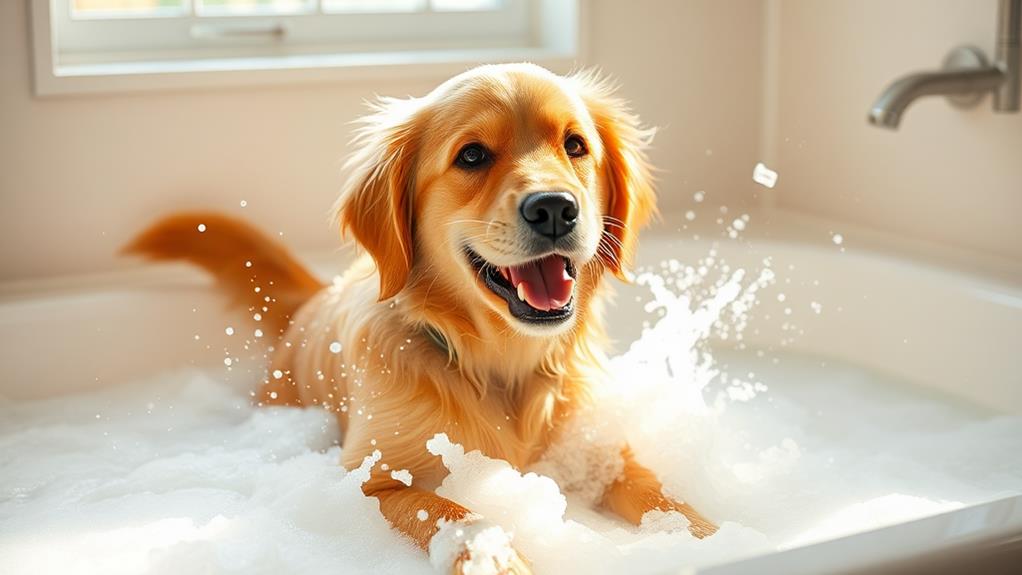
Bathing your dog regularly can provide several health benefits that contribute to their overall well-being. First and foremost, it helps remove dirt, allergens, and parasites from their skin and coat. This not only makes your dog look clean but also reduces the risk of skin irritations and infections.
By bathing your dog, you’re actively helping to maintain healthy skin, which is crucial for their comfort and happiness. Regular baths can also promote better circulation and stimulate the skin’s oil production, keeping their coat shiny and hydrated.
When you take the time to bathe your dog, you’re reinforcing the bond between you and your furry friend, which can lead to improved emotional health for both of you.
Additionally, bathing gives you the chance to inspect your dog’s skin and coat for any unusual bumps, sores, or parasites. Catching these issues early can lead to quicker treatment and better health outcomes.
Expert Recommendations
Veterinarians and professional groomers often emphasize the importance of finding a bathing routine that suits your dog’s specific needs. Generally, it’s not necessary to bathe your dog after every walk, especially if they’re not rolling in mud or getting into messy situations.
Instead, focus on a routine that balances cleanliness with your dog’s skin health. Most experts recommend bathing your dog every three to four weeks, using a gentle dog shampoo that won’t strip their natural oils.
After walks, a quick wipe down with a damp cloth can help remove dirt and allergens without the need for a full bath. This approach not only saves time but also protects your dog’s skin from irritation caused by frequent bathing.
If your dog has allergies or skin conditions, consult your veterinarian for tailored advice. They might suggest more frequent baths with medicated shampoos.
Ultimately, you want what’s best for your furry friend. Pay attention to their coat and skin condition, and adjust your routine accordingly. Your dog will appreciate your care and attention, leading to a happier and healthier life together.
Frequently Asked Questions
Can I Use Human Shampoo for My Dog’s Baths?
You shouldn’t use human shampoo for your dog’s baths. It can be too harsh and irritate their skin. Instead, opt for a gentle, dog-specific shampoo to keep your furry friend clean and healthy.
How Do I Know if My Dog Dislikes Baths?
You’ll notice signs if your dog dislikes baths. Look for anxious body language, attempts to escape, or excessive whining. If your pup’s resisting, it might be time to rethink the bathing routine and make it more enjoyable.
Is It Safe to Bathe a Puppy?
Bathing a puppy can be a delightful experience, but it’s important to ensure the water’s warm and gentle. You’ll want to use puppy-safe shampoo, keeping baths infrequent to maintain their natural oils and comfort.
Can I Bathe My Dog in Cold Weather?
You can bathe your dog in cold weather, but be cautious. Use warm water and ensure your pup stays warm afterward. Short baths are best, and drying them thoroughly will help keep them comfortable.
What Are the Signs My Dog Enjoys Bathing?
Did you know 70% of dogs actually enjoy bath time? Look for wagging tails, relaxed body language, and playful behavior. If your pup’s happy and engaged, it’s a clear sign they’re loving the experience!
Conclusion
So, while it might seem tempting to scrub your pup clean after every walk, that’s probably overkill. Dogs have their own way of staying fresh, thanks to their natural oils. Instead of turning bath time into a daily chore, look for signs that your furry friend actually needs a wash. Embrace the delightful chaos of muddy paws and allow your dog to enjoy their adventures—after all, isn’t that what being a dog is all about?

Carlos Rodriguez is the Senior Product Reviewer at DogShampooReviews.com. With over 15 years of experience in canine grooming and skincare, Carlos brings a wealth of knowledge and passion to our team. His journey began at a young age, growing up on a family farm where he was surrounded by dogs of all breeds and sizes. This early exposure ignited his lifelong dedication to animal care and well-being.
Professional Background
- Certified Dog Groomer: Carlos is a certified professional groomer who has worked in some of the top grooming salons across the country. His expertise spans various grooming techniques suitable for different breeds and coat types.
- Canine Skincare Specialist: Recognizing the importance of skin health in dogs, Carlos pursued additional certifications in dermatological care for canines, specializing in treating skin conditions and allergies.
- Product Testing Expert: With a meticulous eye for detail, Carlos rigorously tests dog shampoos and grooming products, evaluating them on ingredients, efficacy, safety, and overall quality.
Passion for Dogs
Carlos’s love for dogs goes beyond his professional life. He is an active volunteer at local animal shelters, providing grooming services to help adoptable dogs look and feel their best. His own rescued dogs, Bella and Rocky, are often the first to try out new products, ensuring his reviews come from genuine experiences.
Why Trust Carlos
- Unbiased Reviews: Committed to integrity, Carlos ensures all his reviews are honest and based on thorough testing.
- Expert Insight: His extensive knowledge allows him to break down complex information into understandable advice for dog owners.
- Community Engagement: Carlos actively engages with our readers, answering questions and providing personalized recommendations.