You can use a hairdryer to dry your dog, but you need to be cautious. Start by using the lowest heat setting and keep the dryer about 12 inches away from their fur to avoid burns. Move the dryer continuously and pay attention to your dog's body language for signs of stress, like panting or cowering. If your dog seems anxious, consider quieter or pet-specific dryers. Remember that some dogs might prefer towel drying or air drying instead. There's plenty more to discover about ensuring a safe and comfortable experience for your furry friend.
Key Takeaways
- Yes, you can use a hairdryer to dry your dog, but ensure to use the appropriate settings and distance to prevent burns.
- Start with the lowest heat setting and maintain a distance of 6 to 12 inches from your dog's skin to avoid overheating.
- Monitor your dog's body language for signs of stress or discomfort, such as panting or cowering, and stop if necessary.
- Consider using quieter pet-specific dryers to minimize noise anxiety, or opt for towel drying if your dog is particularly anxious.
- Always create positive associations with the hairdryer using treats and gradually introduce it to ensure a comfortable grooming experience.
Understanding Your Dog's Comfort
When using a hairdryer on your dog, it's crucial to prioritize their comfort. Start by introducing the hairdryer gradually. Turn it on in another room so your dog can hear it without feeling threatened. Let them see it first, and use treats to create positive associations. This way, they'll be more open to the idea.
Next, choose a low heat setting. Dogs have sensitive skin, and high temperatures can cause discomfort or even burns. Keep the dryer at a safe distance, about 12 inches away, and move it constantly to avoid concentrating heat on one spot. You might also want to use a nozzle attachment to help direct the airflow better without overwhelming them.
Pay close attention to your dog's body language. If they show signs of stress, like panting, trying to escape, or whining, it's time to take a break. You can also switch to towel drying if they seem uncomfortable.
Risks of Using a Hairdryer
When using a hairdryer on your dog, you need to consider the risks involved.
Many dogs are sensitive to heat, which can lead to burns if the dryer gets too close.
Additionally, the loud noise might cause anxiety, making the experience stressful for your furry friend.
Heat Sensitivity Concerns
Using a hairdryer on your dog can pose serious heat sensitivity concerns. While the warm air may feel pleasant to you, your dog's skin is much more sensitive and can easily become overheated.
Dogs don't sweat like humans do; they primarily cool themselves through panting. When you direct hot air at them, you risk causing burns or overheating, especially in breeds with thick coats.
To protect your furry friend, always test the air temperature before using a hairdryer. Keep it on a low setting and maintain a safe distance from their skin.
Moving the dryer around can help distribute the heat more evenly and prevent concentrated hot spots.
Additionally, pay close attention to your dog's behavior. If they seem uncomfortable, restless, or attempt to move away, it's essential to stop immediately. You want to create a positive experience, not one that causes stress or discomfort.
Instead of risking heat sensitivity, consider air drying your dog in a warm, draft-free area. If you need to speed up the process, use a towel to absorb excess moisture first.
Your dog's comfort and safety should always come first!
Noise Anxiety Issues
Many dogs are sensitive to loud noises, and a hairdryer can be particularly distressing. If you've noticed your pup flinching or trying to escape when you turn one on, it's essential to consider their comfort. The sudden, high-pitched sound of the dryer might trigger anxiety and fear, causing your dog to associate bath time with stress.
When using a hairdryer, you might inadvertently create a negative experience for your furry friend. Dogs with noise anxiety may become agitated, bark excessively, or even try to hide. This reaction can lead not just to a fearful dog but also to potential injuries if they attempt to flee or struggle against restraint.
Instead of subjecting your dog to this stress, consider alternatives. You could opt for a quiet towel drying method or use a pet-specific dryer designed to minimize noise.
If you must use a hairdryer, try introducing it slowly while rewarding your dog with treats, ensuring they feel safe and secure.
Types of Hairdryers for Pets
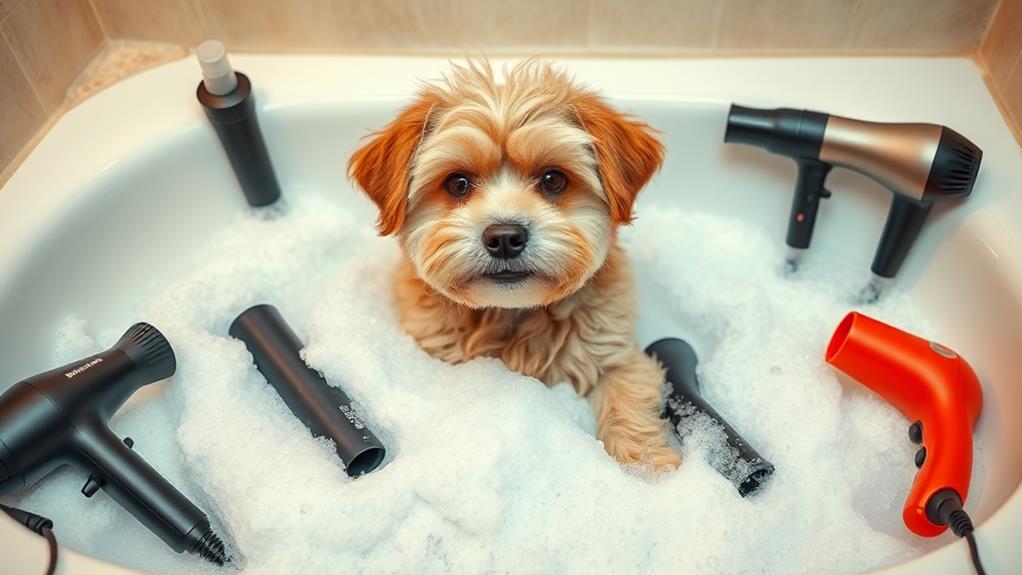
Choosing the right hairdryer for your pet can make a significant difference in their grooming experience. You'll find several types of hairdryers specifically designed for pets, each with unique features that cater to different needs.
First, consider a high-velocity dryer. These dryers provide powerful airflow, making them ideal for quickly drying thick or long coats. They're efficient, but be mindful of the noise level; using them alongside noise-reduction strategies can help.
Next, there are low-heat dryers. These options work well for sensitive pets, as they emit gentle warmth without the risk of overheating. They're perfect for dogs with thin fur or those prone to skin issues.
Quiet dryers are another option worth exploring. Designed with sound-dampening technology, they minimize noise, making them less intimidating for anxious pets.
Lastly, handheld dryers offer flexibility and control, allowing you to direct airflow precisely where it's needed.
Alternative Drying Methods
If your dog isn't a fan of hairdryers, there are several alternative drying methods to consider that can keep them comfortable.
One effective option is to use a large, soft towel. Gently rub your dog down, absorbing as much moisture as possible. This method not only dries their fur but also provides a soothing touch that many dogs appreciate.
Another great alternative is to allow your dog to air dry. You can encourage this by taking them outside on a warm, sunny day, where they'll enjoy the fresh air and natural warmth.
Just make sure to supervise them to keep them safe.
If your dog enjoys it, consider using a pet-safe drying coat. These special coats absorb moisture and help keep your dog warm while they dry off.
Preparing Your Dog for Drying
Before you start drying your dog, it's important to prepare them for the process. Begin by choosing a quiet, comfortable area where your dog feels safe. This familiar environment can help ease any anxiety they might've about the drying process.
Make sure to gather all your supplies, including the hairdryer, a towel, and possibly some treats for positive reinforcement.
Next, give your dog a gentle brushing to remove any tangles or mats. This step not only helps with drying but also makes your dog more comfortable. Speak to your dog in a calm, soothing voice throughout the preparation, reassuring them that everything is okay.
You might want to let your dog sniff the hairdryer before you turn it on. This familiarizes them with the tool and reduces their fear of the noise.
If your dog seems particularly anxious, consider starting with a lower setting or using a towel to dry them partially before introducing the hairdryer. Always pay attention to your dog's body language; if they seem stressed, take a break and try again later.
This preparation sets the stage for a smoother, more pleasant drying experience for both of you.
Best Practices for Hairdryer Use
Safety should always be your top priority when using a hairdryer on your dog. Begin by choosing a low heat setting to prevent burns. Remember, dogs have sensitive skin, so a gentle breeze is often best. Keep the hairdryer at least a foot away from your dog's body, and gradually move it closer as they become more comfortable.
Before you start, ensure your dog is calm and relaxed. You can help by talking softly and offering treats throughout the process. Always dry in the direction of the fur growth to avoid tangling, and focus on one section at a time.
Be mindful of your dog's ears; they can be particularly sensitive to noise. If the sound is too loud, consider using a quiet hairdryer or drying them in a less noisy environment. Regular breaks can help your dog stay comfortable, so pause every few minutes to check in with them.
Lastly, keep an eye on their body language. If your dog seems anxious or restless, stop and give them a break. Following these best practices will make the experience more pleasant for both you and your furry friend.
Signs of Stress in Dogs
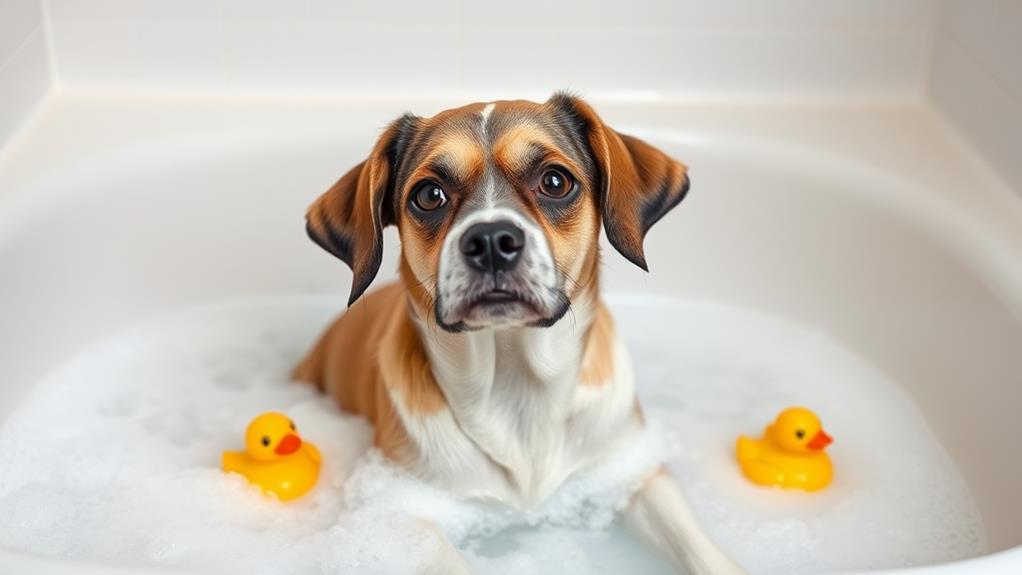
When you're using a hairdryer on your dog, it's crucial to watch for signs of stress.
You'll want to pay attention to body language indicators, vocalizations, and any behavioral changes.
Recognizing these signs can help you ensure your pup stays comfortable and calm during grooming.
Body Language Indicators
Recognizing body language indicators of stress in your dog is crucial for ensuring their comfort during grooming sessions, like using a hairdryer.
Dogs communicate their emotions through various signals, and being attentive to these can help you create a more positive experience for them.
Watch for signs like a tucked tail or stiff body posture. If your dog keeps their ears pinned back or avoids eye contact, they may be feeling uneasy. A dog that's panting heavily or licking their lips repeatedly could also be showing signs of stress.
Another important indicator is yawning, which can be a way for dogs to self-soothe. If they're trying to move away from the hairdryer or hiding, it's clear they're not comfortable.
You might notice them excessively scratching or shaking off, which can indicate anxiety.
Vocalizations to Note
A dog's vocalizations can reveal a lot about their emotional state, especially during grooming sessions with a hairdryer. You should pay close attention to the sounds your dog makes, as they can indicate stress or discomfort.
If your dog whines or whimpers, it may signal anxiety. These high-pitched sounds are often a plea for help or a request for you to ease the situation.
Growling is another vocalization to note. While growling can sometimes be a sign of play, it often indicates that your dog feels threatened or uneasy. If they growl during drying, it's a clear sign to stop and reassess the situation.
Barking can also be a response to stress. If your dog barks excessively, it might mean they're feeling overwhelmed.
Behavioral Changes Observed
Observing your dog's behavior during grooming can provide clear insights into their emotional well-being. If you've decided to use a hairdryer, watch for signs of stress. If your dog becomes restless, whines, or tries to escape, these are signals that they mightn't appreciate the experience. You might notice them panting excessively or their tail tucking between their legs. These behaviors indicate discomfort, and it's essential to address them promptly.
Pay attention to body language; a stiff posture or pinned ears can suggest anxiety. If your dog keeps looking away or avoiding eye contact, they may be feeling overwhelmed. It's crucial to create a calm environment during grooming sessions. Using a gentle approach can help ease their fears.
Consider introducing the hairdryer gradually, allowing your dog to sniff it while it's off. This familiarity can reduce anxiety.
If your pet shows consistent signs of stress, it might be wise to reassess your grooming methods. Always prioritize your dog's comfort and emotional health. By tuning in to their behavior, you can ensure a more positive grooming experience that strengthens your bond.
Temperature Control Tips
When using a hairdryer on your dog, temperature control is crucial for their comfort and safety. Start by selecting the lowest heat setting. Dogs have sensitive skin, and high temperatures can cause burns or discomfort.
Always keep the dryer at a safe distance—around six to twelve inches away from their fur. This distance helps distribute the heat evenly, preventing any hot spots.
Next, use your hand to test the airflow. If it feels warm to you, it's likely too hot for your dog. It's best to keep the dryer moving, rather than focusing on one area for too long. This technique minimizes heat exposure and helps your dog feel more comfortable.
Monitor your dog's response throughout the drying process. If they seem anxious or start to pant, it's time to take a break or turn off the dryer. You can also encourage them with calming words or gentle petting.
Grooming Tools for Drying
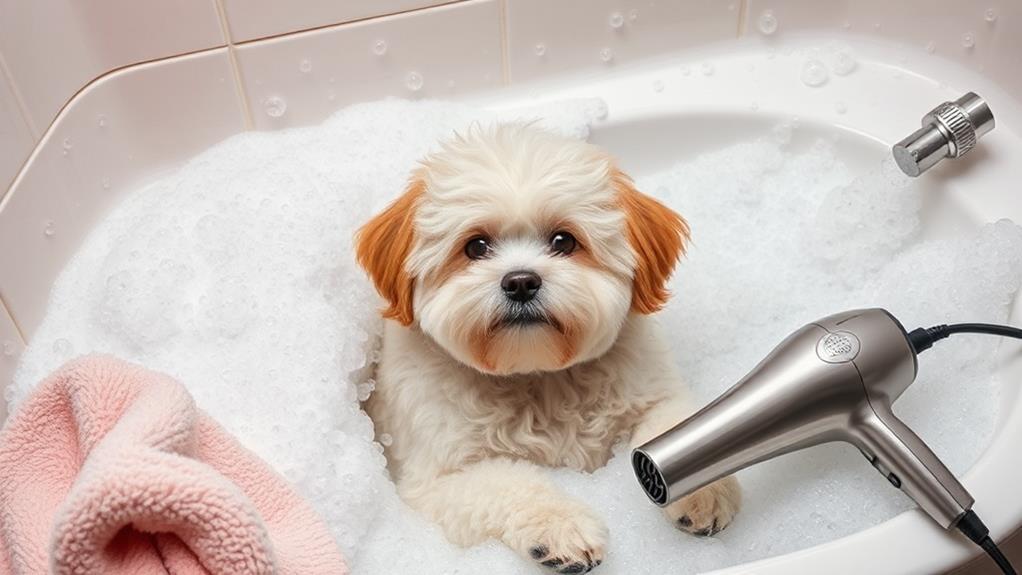
Choosing the right grooming tools can make a significant difference in your dog's drying experience. Instead of relying solely on a hairdryer, consider investing in specialized pet grooming tools designed for drying. These tools not only speed up the process but also prioritize your dog's comfort.
Start with a high-velocity dog dryer. These powerful machines blow warm air while minimizing noise, making them less intimidating for your furry friend. You'll find that the adjustable speed settings help you control the airflow, ensuring a gentle drying experience.
Another great option is a microfibre towel. This absorbent material can quickly soak up excess water, making it easier for you to finish the drying process with a dryer afterward.
To enhance the drying process, use a slicker brush to separate your dog's fur while you dry. This will help prevent matting and distribute the heat evenly.
Don't forget about safety! Always supervise your dog while using these tools, ensuring they're comfortable and not overwhelmed.
When to Seek Professional Help
Knowing when to seek professional help for your dog's drying needs can save you both time and stress. If your dog has a thick, double coat or is particularly anxious about drying, it's wise to consult a professional groomer. They've the right tools and techniques to ensure your pup is comfortable while getting thoroughly dried.
If your dog has skin issues, such as allergies or rashes, it's best to avoid using a hairdryer altogether. Professionals can provide specialized care that addresses your dog's specific needs, preventing further irritation.
Additionally, if your pet has recently undergone surgery or has mobility issues, a groomer can ensure a safe and gentle drying process.
You should also consider seeking help if you're unsure about how to handle your dog during drying. An experienced groomer can guide you through the process and teach you techniques to make it easier for you and your pet.
Frequently Asked Questions
Can I Use a Hairdryer on All Dog Breeds?
You shouldn't use a hairdryer on all dog breeds. Some have sensitive skin or fine fur that can be damaged. Always check your dog's breed and consult a vet before using heat for drying.
How Long Should I Dry My Dog With a Hairdryer?
You shouldn't dry your dog with a hairdryer for ages! Just aim for about 10-15 minutes, keeping it at a distance. Your furry friend deserves comfort, so monitor their reaction and adjust accordingly.
Is It Safe to Use a Hairdryer on Puppies?
Using a hairdryer on puppies can be safe if you keep the heat low and maintain a distance. Always monitor their comfort level, and ensure the noise doesn't scare them. Your puppy's well-being comes first!
Can Hairdryers Cause Skin Irritation for Dogs?
Could hairdryers harm your dog's skin? Yes, they can cause irritation if used improperly. The heat might be too intense, so always keep the dryer at a distance and use it on a low setting.
What Is the Best Time of Year to Dry My Dog?
The best time of year to dry your dog is during warmer months when temperatures are mild. This ensures they stay comfortable and dry quickly, avoiding chills that can happen in cooler or damp conditions.
Conclusion
In conclusion, while you can use a hairdryer to dry your dog, it's crucial to prioritize their comfort and safety. Always monitor the temperature and watch for signs of stress. If your pup seems uneasy, don't hesitate to explore alternative drying methods; a wet dog can wreak havoc like a mini tornado! Remember, the goal is to keep your furry friend happy while getting them dry. If in doubt, professional help is just a call away!

Carlos Rodriguez is the Senior Product Reviewer at DogShampooReviews.com. With over 15 years of experience in canine grooming and skincare, Carlos brings a wealth of knowledge and passion to our team. His journey began at a young age, growing up on a family farm where he was surrounded by dogs of all breeds and sizes. This early exposure ignited his lifelong dedication to animal care and well-being.
Professional Background
- Certified Dog Groomer: Carlos is a certified professional groomer who has worked in some of the top grooming salons across the country. His expertise spans various grooming techniques suitable for different breeds and coat types.
- Canine Skincare Specialist: Recognizing the importance of skin health in dogs, Carlos pursued additional certifications in dermatological care for canines, specializing in treating skin conditions and allergies.
- Product Testing Expert: With a meticulous eye for detail, Carlos rigorously tests dog shampoos and grooming products, evaluating them on ingredients, efficacy, safety, and overall quality.
Passion for Dogs
Carlos’s love for dogs goes beyond his professional life. He is an active volunteer at local animal shelters, providing grooming services to help adoptable dogs look and feel their best. His own rescued dogs, Bella and Rocky, are often the first to try out new products, ensuring his reviews come from genuine experiences.
Why Trust Carlos
- Unbiased Reviews: Committed to integrity, Carlos ensures all his reviews are honest and based on thorough testing.
- Expert Insight: His extensive knowledge allows him to break down complex information into understandable advice for dog owners.
- Community Engagement: Carlos actively engages with our readers, answering questions and providing personalized recommendations.