To get rid of dog odor after bathing, you'll want to take a few extra steps. First, choose a dog-specific shampoo that suits your dog's skin. Bathe thoroughly and make sure to rinse completely, as any leftover shampoo can trap smells. Dry your dog properly to prevent moisture retention, using absorbent towels or a pet dryer on a low setting. Consider using natural remedies like baking soda or apple cider vinegar for extra odor control. If the smell persists, check for skin issues and consult a vet. There's more to effective odor control to explore, so keep going!
Key Takeaways
- Use a dog-specific shampoo with natural ingredients to effectively cleanse and reduce odors without harsh chemicals.
- Ensure a thorough rinse to eliminate all shampoo residue, which can trap odors.
- Dry your dog completely using absorbent towels or a low-heat blow dryer to prevent moisture retention.
- Incorporate odor neutralizers like baking soda or apple cider vinegar after bathing for lasting freshness.
- Maintain regular grooming to remove loose fur and check for skin issues that may contribute to odors.
Understand the Causes of Odor
Although you may think a bath will eliminate all dog odors, it's essential to understand what's causing the smell in the first place. Various factors contribute to your dog's odor, and simply bathing them mightn't address these underlying issues.
For instance, skin infections, allergies, or even poor diet can lead to unpleasant smells. If your dog has a yeast infection, you'll notice a distinct, musty odor. Allergies, whether environmental or food-related, can also cause your dog to scratch, leading to skin irritation and odors.
Additionally, a dog's ears can trap dirt, moisture, and bacteria, which may create a foul smell.
Regular grooming plays a vital role in managing odors. Brushing your dog helps remove loose fur and dander, reducing the chances of odor buildup.
Don't forget to check your dog's dental health—bad breath can be a sign of dental disease, which needs addressing.
Choose the Right Shampoo
When it comes to getting rid of dog odor, choosing the right shampoo is crucial. You want a product that not only cleans but also neutralizes odors effectively. Look for shampoos specifically designed for dogs, as human shampoos can disrupt their skin's natural pH balance.
Opt for a hypoallergenic formula if your dog has sensitive skin. These shampoos minimize the risk of irritation and ensure a comfortable bathing experience. Natural ingredients like oats, aloe vera, or coconut oil can soothe the skin while providing a pleasant scent.
Avoid shampoos with harsh chemicals or strong fragrances, as they might mask odors rather than eliminate them. Instead, seek out products that contain enzymatic properties, which break down odor-causing components.
If your dog has a particular issue, like a skin condition or a tendency to get particularly smelly, consulting your vet can guide you to the best option.
Bathe Thoroughly
To really tackle dog odor, you need to bathe your pet thoroughly.
Start by selecting an appropriate shampoo that suits their coat and skin type.
After washing, make sure to rinse completely and dry them properly to keep that fresh scent lasting longer.
Choose Appropriate Shampoo
Choosing the right shampoo is crucial for effectively combating dog odor, as the wrong product can leave your furry friend smelling worse than before. When selecting a shampoo, look for options specifically formulated for dogs. These shampoos not only address odors but also cater to your dog's skin type and coat condition.
Consider using a shampoo with natural ingredients, like oatmeal or aloe vera, which can soothe and hydrate the skin. Avoid products with harsh chemicals or strong fragrances, as these can irritate your dog's skin and may mask the odor instead of eliminating it.
If your dog has specific skin conditions or sensitivities, consult your vet for recommendations on the best shampoo to use. Make sure to choose a shampoo that targets odor. Many brands offer formulas designed to neutralize unpleasant smells, so look for labels that highlight this benefit.
Rinse Completely
A thorough rinse is essential for keeping your dog odor-free after a bath. If you don't rinse out the shampoo completely, it can leave a residue that traps dirt and odors, making your dog smell worse over time.
Start by using lukewarm water, which is comfortable for your pooch. Gently wet your dog's coat, ensuring you avoid getting water in their ears and eyes.
Once the shampoo is applied, take your time to rinse every part of their body. Focus on areas where shampoo might hide, like under the belly and behind the ears. You want to make sure you're washing away all the suds, so look for any lingering foam.
If your dog has a thick coat, consider using a detachable showerhead or a bucket to pour water over them for a more effective rinse.
Keep rinsing until the water runs clear and you can't feel any slippery residue on their fur. This step might take some time, but it's worth it.
A complete rinse not only helps eliminate odors but also ensures your dog's skin stays healthy, making bath time a more pleasant experience for both of you.
Dry Properly
While you may be eager to let your dog shake off the excess water after a bath, drying them properly is crucial for preventing lingering odors. A wet coat can trap moisture and create a breeding ground for bacteria and mold, which can lead to unpleasant smells.
Start by using a high-quality towel. Gently rub your dog's coat to remove as much water as possible. Pay extra attention to areas where water tends to collect, like under the belly and between the paws. If your dog enjoys the sensation, consider using a pet-specific drying mitt or a microfiber towel for better absorption.
For larger dogs, you might want to use a pet dryer or a blow dryer on a low, cool setting. Keep the dryer at a safe distance to avoid irritating your dog's skin.
Don't forget to check for any damp spots after drying. If you find any, give those areas a little extra attention.
Rinse Properly
To wash away any lingering dog odor, make sure you rinse your pet thoroughly after bathing. Start by using lukewarm water, as it's gentler on your dog's skin.
After applying shampoo, focus on rinsing out every bit of product. Residue can trap odors, so it's essential to ensure that no soap remains.
Use a handheld showerhead or a cup to direct water effectively around your dog's body. Pay attention to areas where dirt and odor tend to accumulate, such as behind the ears, under the legs, and around the tail. Rinsing these spots well helps eliminate any source of lingering smells.
You'll want to take your time during this process. It's not just about getting your dog wet; it's about providing them with a refreshing experience. If you notice any suds or a soapy texture, keep rinsing.
After you feel confident that you've rinsed thoroughly, give your dog a gentle shake to release excess water. This step not only helps in the cleaning process but also brings joy to your pup, making bath time a more enjoyable experience for both of you.
Dry Your Dog Effectively
After bathing your dog, drying them properly is crucial to prevent odor.
Start by using absorbent towels to soak up excess water.
Then consider air drying or safely blowing them dry. Each method has its benefits, so you'll want to choose the one that works best for your furry friend.
Use Absorbent Towels
Using absorbent towels is essential for effectively drying your dog after a bath. Not only do they help remove excess water, but they also prevent that musty odor from lingering on your furry friend's coat.
When you wrap your dog in a soft, absorbent towel, you're not just drying them; you're providing comfort and care, ensuring they feel relaxed and loved.
Here are some tips for using absorbent towels effectively:
- Thick, plush towels that soak up moisture quickly.
- Microfiber towels for their quick-drying and lightweight properties.
- Old, soft blankets that are gentle on your dog's skin.
- Towel wraps designed specifically for dogs, which can keep them warm.
- Multiple towels to switch out as they become damp, ensuring optimal drying.
Air Dry Techniques
Air drying your dog can be an effective way to eliminate moisture and reduce odor after a bath. Start by finding a comfortable and well-ventilated area for your pooch to dry off. Make sure the space is free from drafts and direct sunlight, which can be harsh on their skin.
You can use a soft, absorbent towel to gently pat your dog down first, removing excess water and helping speed up the drying process.
Once you've done that, encourage your dog to shake off any remaining water. This natural instinct helps disperse moisture and can be quite amusing to watch!
If your dog enjoys it, you can also engage them in gentle play or a relaxing cuddle session, which can help them feel at ease while drying.
Keep an eye on your dog as they air dry; if they seem restless or uncomfortable, consider providing a cozy blanket or bed for them to lie on. This not only helps them feel secure but also allows for better air circulation around their fur.
With a little patience and care, your dog's coat will dry effectively, leaving them fresh and odor-free.
Blow Dry Safely
Blow drying your dog can be a quick and efficient way to remove excess moisture while keeping them comfortable. However, it's essential to do it safely to prevent stress or injury. Here are some tips to ensure a pleasant experience for both you and your furry friend:
- Choose a low heat setting to avoid burns on their sensitive skin.
- Keep the dryer at a distance, around 6-12 inches away, to provide a gentle airflow.
- Use a nozzle attachment to direct the airflow and minimize noise, making it less intimidating for your dog.
- Monitor their body language; if they seem scared or uncomfortable, take a break and reassure them.
- Dry in sections, starting from the back and moving to their front, to ensure even drying and comfort.
Use Odor Neutralizers
Many pet owners find that odor neutralizers can be a game changer in keeping their furry friends smelling fresh. After bathing your dog, it's essential to tackle any lingering odors effectively.
You can choose from various commercial products specifically designed for pet odors, including sprays, powders, and even pet-safe candles. These neutralizers work by targeting and eliminating the odor-causing substances rather than just masking them.
When using an odor neutralizer, always follow the instructions on the label to ensure safety for your pet and your home. Spray the product lightly on your dog's fur, avoiding sensitive areas like the eyes and nose. Allow it to dry naturally to let the neutralizer work its magic.
Additionally, consider treating your dog's bedding and favorite spots in your home with the same product.
Regularly using odor neutralizers can create a more pleasant environment for both you and your dog. It shows your commitment to their well-being, making them feel comfortable and loved.
Incorporate Natural Remedies
Incorporating natural remedies can be a fantastic way to eliminate dog odor after bathing.
You'll find that these gentle, eco-friendly options not only work effectively but also show your love for your furry friend. Here are some great natural remedies you can try:
- Baking Soda: Sprinkle it on your dog's coat before brushing to absorb odors.
- Apple Cider Vinegar: Mix equal parts with water and spray it on their coat for a refreshing scent.
- Coconut Oil: Rub a small amount into their fur; it moisturizes and helps neutralize odors.
- Lemon Juice: Dilute with water and apply to their coat for a zesty, pleasant aroma.
- Essential Oils: Use pet-safe oils like lavender or chamomile, diluted with a carrier oil, for a calming scent.
These remedies not only help in reducing odor but also promote a healthy coat.
When you choose these natural options, you're not just eliminating unpleasant smells; you're providing your dog with a soothing experience that strengthens your bond.
Always test a small area first to ensure your dog doesn't have any sensitivities.
Your pup deserves the best!
Maintain Regular Grooming
To keep your dog smelling fresh, regular grooming is essential.
You'll want to choose the right tools for your dog's coat type and establish a consistent grooming schedule.
Additionally, using odor-removing products during grooming can help combat any lingering smells.
Choose the Right Tools
When it comes to maintaining your dog's cleanliness and reducing odor, choosing the right grooming tools is essential.
Having the right equipment makes the grooming process smoother and more enjoyable for both you and your furry friend. Here are some must-have tools to consider:
- Slicker Brush: Perfect for removing loose fur and tangles, keeping your dog's coat healthy and shiny.
- De-shedding Tool: Helps prevent excessive shedding by targeting undercoat fur, which can trap odors.
- Nail Clippers: Regular nail trimming not only keeps your dog's paws healthy but also prevents dirt buildup.
- Grooming Wipes: Convenient for a quick clean-up between baths, helping to eliminate lingering odors and dirt.
- Quality Shampoo: Choose a gentle, dog-specific shampoo that cleans effectively without stripping natural oils.
Establish a Grooming Schedule
Establishing a regular grooming schedule is key to keeping your dog smelling fresh and looking great. By committing to a consistent routine, you'll not only maintain your dog's coat but also help prevent odors from building up between baths. Aim for a grooming session at least once a week, but adjust according to your dog's breed, coat type, and activity level.
During these sessions, you can brush away dirt, debris, and loose hair, significantly reducing the chances of unpleasant smells. Pay attention to areas prone to odor, like the ears, paws, and tail, and make sure to clean them thoroughly.
Regular grooming also gives you the chance to check for skin irritations, parasites, or any other issues that may lead to odors.
Don't forget about nail trimming and dental care, too! Healthy nails and teeth contribute to your dog's overall cleanliness.
Use Odor-Removing Products
Regularly using odor-removing products can make a significant difference in keeping your dog smelling fresh after baths.
These products are designed to neutralize odors, ensuring your furry friend feels and smells clean. Here are some effective options you can incorporate into your grooming routine:
- Deodorizing sprays: A quick spritz can refresh your dog's coat and leave a pleasant scent.
- Odor-neutralizing wipes: Perfect for spot cleaning and removing any lingering smells between baths.
- Baking soda: This natural option can be sprinkled on your dog's coat before brushing to absorb odors.
- Pet-friendly shampoos: Look for formulas that include odor-fighting ingredients for a deep clean during baths.
- Essential oils: Diluted versions can provide a lovely aroma and have additional benefits, like calming your pet.
Clean Your Dog's Bedding
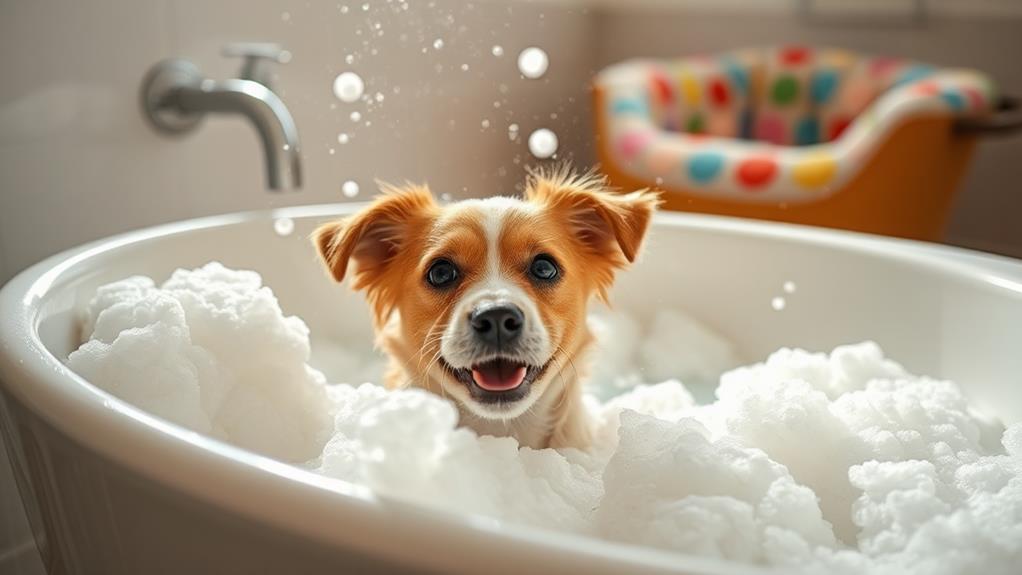
To effectively combat dog odor, don't overlook the importance of cleaning your dog's bedding. This is where your furry friend spends a lot of time, and it can trap dirt, hair, and odors that linger even after a bath.
Start by removing any removable covers or blankets and tossing them in the washing machine. Use a pet-friendly detergent to ensure you're not introducing any harsh chemicals that could irritate your dog's skin.
While the bedding's in the wash, take a moment to vacuum the mattress or base of the bed. This will help eliminate loose hair and dander that contribute to that lingering smell.
After washing, dry the bedding thoroughly—damp fabrics can lead to mold and mildew, which only adds to the odor.
If your dog's bed is made of foam or other non-washable materials, wipe it down with a damp cloth and a mixture of water and vinegar. This natural solution can help neutralize odors without harmful chemicals.
Air Out Your Home
After cleaning your dog's bedding, it's time to tackle the air quality in your home. Fresh air can work wonders in eliminating lingering odors and creating a pleasant environment for you and your furry friend.
Start by opening windows and doors to let that lovely breeze flow through. The more air circulation, the better!
Consider incorporating these elements to enhance the fresh atmosphere:
- Freshly cut flowers in a vase, adding a natural fragrance.
- Essential oil diffusers with calming scents like lavender or eucalyptus.
- Baking soda sprinkled on carpets or upholstery to absorb odors.
- Indoor plants that not only purify the air but also bring a touch of nature inside.
- Scented candles lit in a safe spot, creating warmth and inviting aromas.
Check for Skin Issues
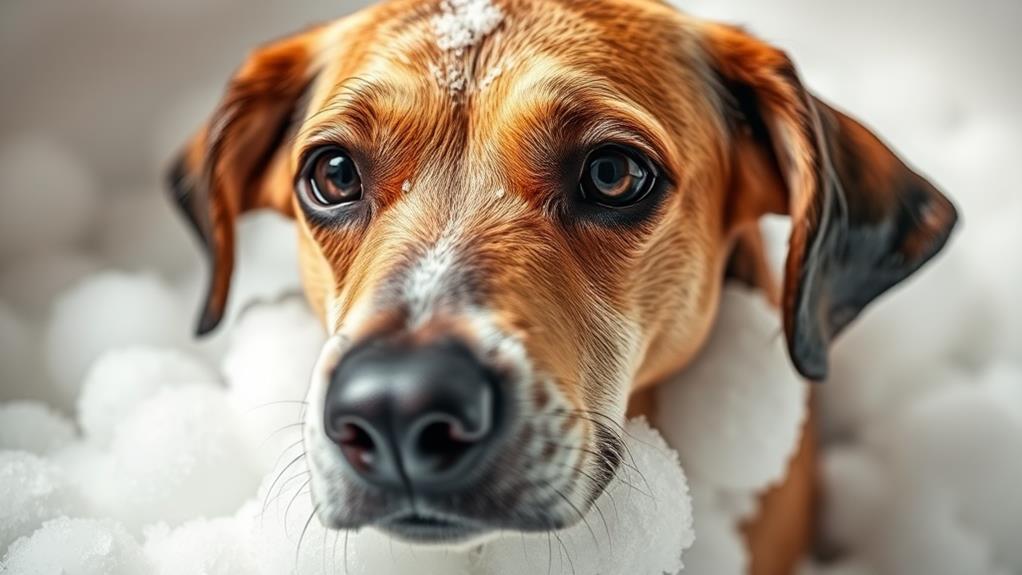
If you've noticed a lingering odor even after bathing your dog, it's time to inspect their skin for potential issues. Skin problems can often be the culprit behind that stubborn smell, and addressing them is crucial for your dog's comfort and health.
Start by gently parting your dog's fur to examine their skin closely. Look for any signs of redness, swelling, or irritation. These could indicate allergies, infections, or other skin conditions.
You should also check for excessive oiliness or dryness, as both can contribute to unpleasant odors. If you find scabs, bumps, or unusual lumps, these may require further attention.
Pay special attention to areas like the ears, paws, and underbelly, as these spots can harbor hidden issues.
Don't forget to assess your dog's grooming habits; excessive scratching or licking can indicate discomfort. By recognizing these signs, you're taking an essential step in ensuring your furry friend feels their best.
A clean and healthy coat not only smells better but also enhances your dog's overall well-being, allowing them to live a happy and active life.
Consult a Veterinarian
Sometimes, a lingering dog odor despite thorough bathing can signal underlying health issues, making it essential to consult a veterinarian.
Ignoring these signs might lead to more serious problems down the road. When you visit the vet, they'll conduct a thorough examination and may suggest tests to pinpoint the cause of the odor.
Here are some common concerns they might address:
- Skin infections that can create an unpleasant scent.
- Ear infections that might be hidden but are causing discomfort and odor.
- Dental issues resulting in bad breath and overall smell.
- Allergies that could lead to skin irritations and odor.
- Gastrointestinal problems that might be causing unusual smells.
Consider Professional Grooming
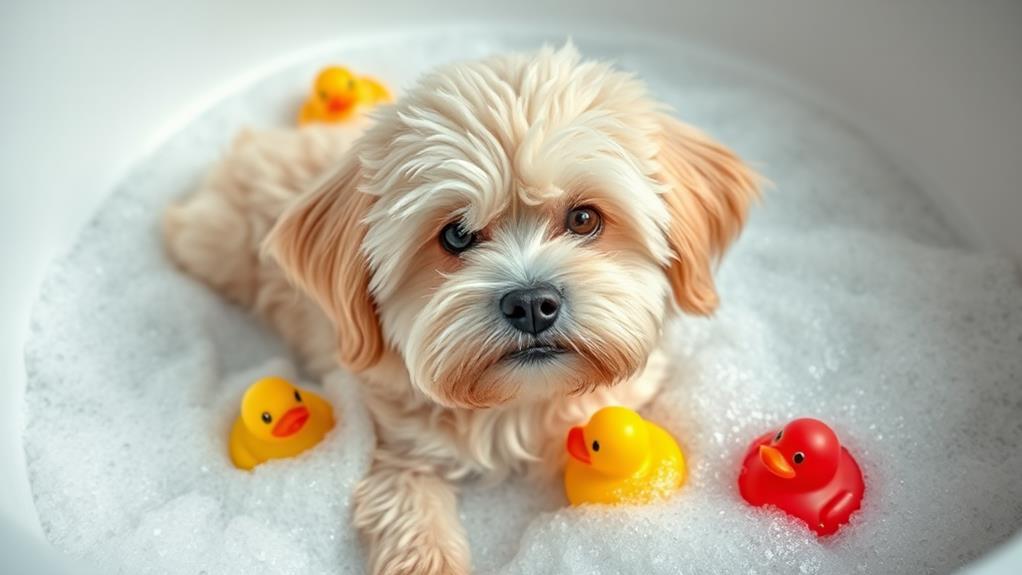
Considering professional grooming can be a game-changer when it comes to tackling stubborn dog odor. Groomers have the expertise and tools to address issues that you might miss at home. They can't only give your dog a thorough wash, but also check for skin conditions, parasites, or other health issues that contribute to unpleasant smells.
By choosing a professional groomer, you're ensuring that your furry friend receives a deep clean that goes beyond your typical bath. They often use specialized shampoos and techniques that eliminate odors at their source.
Plus, regular grooming helps maintain your dog's coat and skin health, reducing the chances of odor buildup in the future.
When you take this step, you're prioritizing your dog's well-being and comfort. Groomers also tend to have a better understanding of different breeds and their specific needs, ensuring that your dog gets an appropriate grooming routine.
Frequently Asked Questions
How Often Should I Bathe My Dog to Prevent Odor?
You should bathe your dog every four to six weeks, depending on their breed and activity level. Regular grooming helps prevent odor and keeps their coat healthy, so make it a part of their care routine.
Can Diet Affect My Dog's Body Odor?
Yes, your dog's diet can definitely affect their body odor. Feeding them high-quality, nutritious food helps maintain a healthy coat and skin, reducing unpleasant smells. Consider adding supplements like omega-3 fatty acids for extra benefits.
Are Some Dog Breeds More Prone to Odor?
Yes, some dog breeds, like Basset Hounds and Bulldogs, tend to have more odor due to their skin folds and natural oils. Regular grooming can help keep their smell in check, making your furry friend more pleasant.
What Signs Indicate a Skin Infection or Issue?
When your dog's skin seems like a stormy sea, watch for redness, swelling, or scabs. If they're scratching incessantly or you notice a foul smell, it's time to consult a vet for help.
Can Environmental Factors Contribute to Dog Odor?
Yes, environmental factors can definitely contribute to dog odor. If your dog's surroundings are damp, moldy, or filled with allergens, it can lead to unpleasant smells. Regular cleaning and proper ventilation can help minimize these odors.
Conclusion
To successfully send stubborn scents packing, stay proactive in your pup's grooming routine. By understanding odor origins, selecting suitable shampoos, and ensuring thorough bathing, you can combat canine smell. Don't forget to dry your dog well and air out your abode for added freshness. If issues persist, check for skin problems or consult a vet. With diligence and dedication, you'll defeat doggy odors and delight in a dapper, delightful companion!

Carlos Rodriguez is the Senior Product Reviewer at DogShampooReviews.com. With over 15 years of experience in canine grooming and skincare, Carlos brings a wealth of knowledge and passion to our team. His journey began at a young age, growing up on a family farm where he was surrounded by dogs of all breeds and sizes. This early exposure ignited his lifelong dedication to animal care and well-being.
Professional Background
- Certified Dog Groomer: Carlos is a certified professional groomer who has worked in some of the top grooming salons across the country. His expertise spans various grooming techniques suitable for different breeds and coat types.
- Canine Skincare Specialist: Recognizing the importance of skin health in dogs, Carlos pursued additional certifications in dermatological care for canines, specializing in treating skin conditions and allergies.
- Product Testing Expert: With a meticulous eye for detail, Carlos rigorously tests dog shampoos and grooming products, evaluating them on ingredients, efficacy, safety, and overall quality.
Passion for Dogs
Carlos’s love for dogs goes beyond his professional life. He is an active volunteer at local animal shelters, providing grooming services to help adoptable dogs look and feel their best. His own rescued dogs, Bella and Rocky, are often the first to try out new products, ensuring his reviews come from genuine experiences.
Why Trust Carlos
- Unbiased Reviews: Committed to integrity, Carlos ensures all his reviews are honest and based on thorough testing.
- Expert Insight: His extensive knowledge allows him to break down complex information into understandable advice for dog owners.
- Community Engagement: Carlos actively engages with our readers, answering questions and providing personalized recommendations.