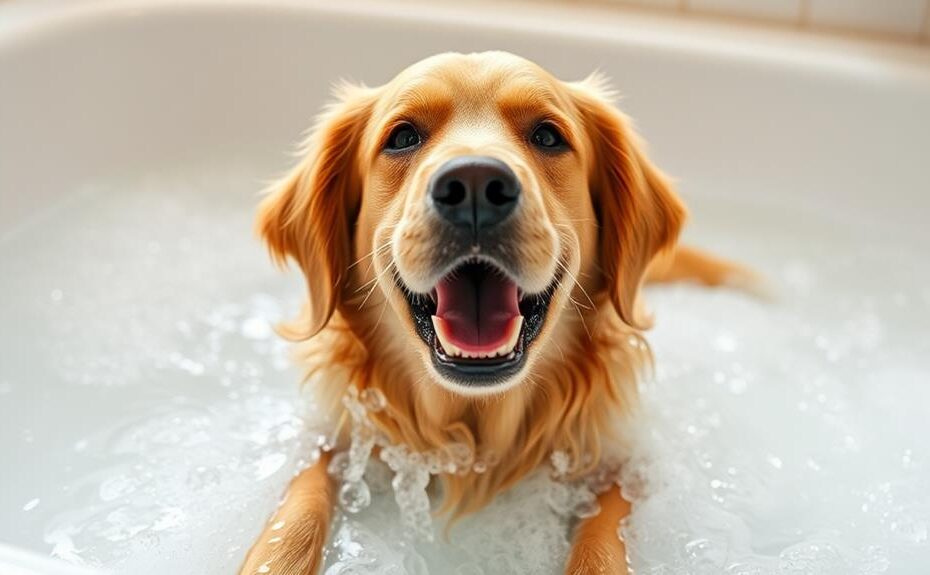
When bathing your dog, aim for a water temperature between 100°F and 102°F. This range keeps your pup comfortable and helps loosen dirt effectively. You can test the water using your wrist or elbow to ensure it's just right. Remember, short-haired breeds typically prefer around 100°F, while larger dogs might enjoy a slightly warmer bath. Be aware of any signs of discomfort, and adjust the temperature accordingly. A cozy bath experience can strengthen the bond you share with your furry friend. Stick around to discover more tips for making bath time easier and enjoyable for both of you!
Key Takeaways
- The ideal water temperature for bathing dogs is between 100°F to 102°F (37.8°C to 38.9°C) for optimal comfort.
- Small dogs should be bathed at 100°F to 102°F (38°C to 39°C), while large dogs can tolerate up to 105°F (41°C).
- Adjust water temperature based on the dog's coat type, with short-haired breeds preferring warm water around 100°F (37.8°C).
- Seasonal adjustments are important; use warmer water in winter and cooler baths in summer for comfort.
- Always test the water temperature with your wrist or elbow to ensure it is comfortable for your dog.
Importance of Water Temperature
When it comes to bathing your dog, the water temperature plays a crucial role in ensuring a positive experience for both you and your furry friend. If the water's too hot or too cold, your dog may become anxious or uncomfortable, which can make the bathing process more challenging.
You want to create a soothing environment that helps your dog relax and enjoy the experience.
Using the right water temperature not only helps your dog feel safe but also makes it easier for you to effectively clean their coat. Warm water can help loosen dirt and debris, allowing shampoo to work more efficiently.
Moreover, a comfortable bathing experience strengthens the bond between you and your dog, showing them that you care about their well-being.
Ideal Water Temperature Range
When bathing your dog, you'll want to aim for a water temperature that's comfortable for them, typically between 100°F and 102°F.
Factors like your dog's breed, age, and health can influence the ideal temperature. Knowing these details helps ensure a pleasant bathing experience for both of you.
Recommended Temperature Range
Finding the right water temperature for bathing your dog is crucial for their comfort and safety. Most dogs prefer water that's neither too hot nor too cold, typically falling within a recommended range. Aim for a temperature between 100°F to 102°F (37.8°C to 38.9°C) for a pleasant bathing experience.
Here are some tips to help you achieve that perfect temperature:
- Test with Your Wrist: Just like testing baby formula, use your wrist to check the water. It should feel warm, not hot.
- Use a Thermometer: If you want to be precise, a thermometer can help you measure the water temperature accurately.
- Adjust as Needed: If your dog shows signs of discomfort, adjust the temperature accordingly. Dogs can't voice their discomfort, so watch for cues.
- Consider the Environment: If it's chilly outside, you might want to lean towards the warmer side of the range to prevent your dog from getting cold.
Factors Affecting Temperature
Several factors can influence the ideal water temperature for bathing your dog. First, consider your dog's breed and coat type. Breeds with thick, double coats, like Huskies or Golden Retrievers, may prefer slightly warmer water to help loosen dirt and debris.
On the other hand, short-haired breeds may feel more comfortable with cooler water.
Next, think about your dog's age and health. Puppies and senior dogs often have more sensitive skin and may require gentler, warmer water to avoid discomfort. If your dog has any skin conditions, consult your vet for specific recommendations tailored to their needs.
Additionally, the season can play a significant role. In colder months, your dog might appreciate a warmer bath, while in warmer weather, a cooler rinse might be refreshing.
Always check the water temperature with your wrist or elbow to ensure it's comfortable for your furry friend.
Temperature Guidelines for Small Dogs
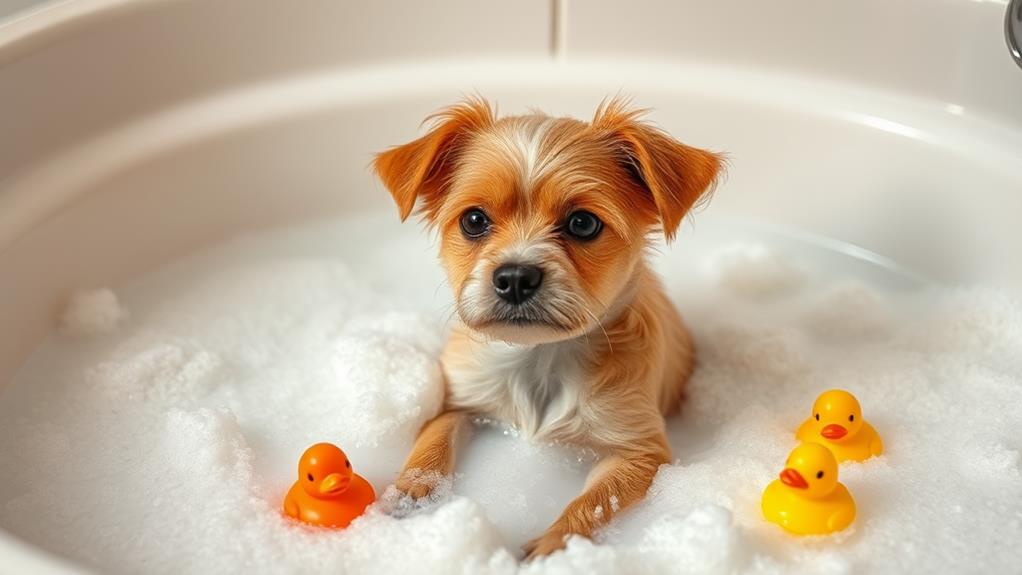
Bathing your small dog requires careful attention to temperature, as they can be more sensitive to extremes than larger breeds. Ensuring the right water temperature not only keeps your furry friend comfortable but also makes the experience enjoyable for both of you. Here are some guidelines to follow:
- Ideal Temperature: Aim for water around 100°F to 102°F (38°C to 39°C). This range mimics their natural body temperature and feels soothing.
- Test the Water: Before bathing, always test the water with your wrist or elbow. It should feel warm but not hot.
- Watch for Signs: Keep an eye on your dog's behavior during the bath. If they shiver or seem uncomfortable, adjust the water temperature immediately.
- Consider the Environment: If it's chilly in your home, you might want to increase the temperature slightly, while on warm days, a cooler bath can be refreshing.
Temperature Guidelines for Large Dogs
When it comes to bathing large dogs, getting the water temperature just right is crucial for their comfort and well-being. Ideally, you want the water to be lukewarm, between 100°F to 105°F (38°C to 41°C). This temperature range feels comfortable for most large breeds, helping to relax their muscles and making the bath time a pleasant experience.
Before you start, you can test the water with your wrist or elbow—these areas are sensitive and will give you a good sense of the water's warmth. Avoid water that's too hot, as it can lead to discomfort, and remember that large dogs, with their thicker coats, might need a slightly cooler temperature than you'd expect.
Also, consider the environment. If it's chilly outside, slightly warmer water can help maintain your dog's body temperature. On the flip side, if it's a hot day, cool water might be more refreshing.
Adjusting for Dog Coat Types
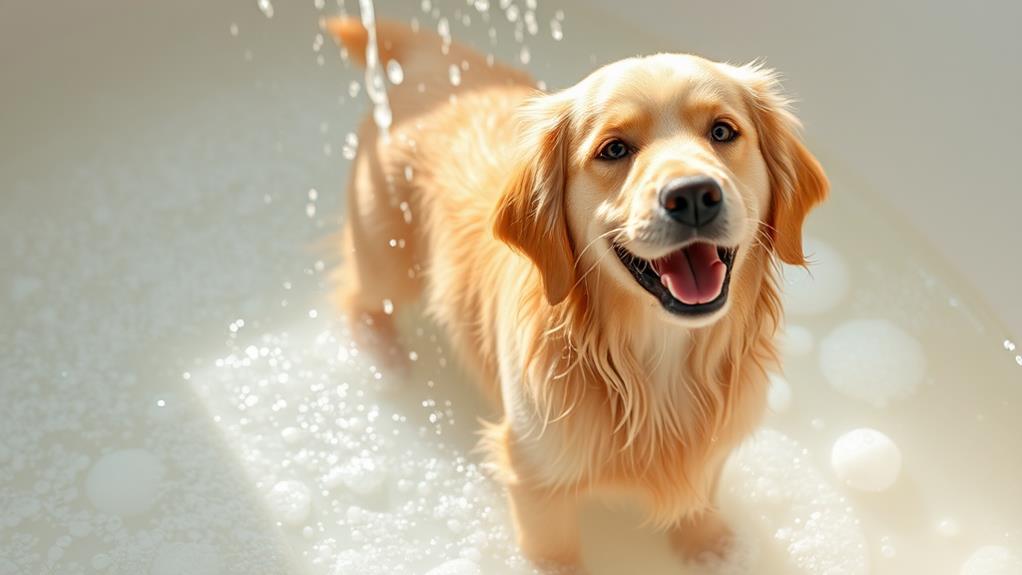
Different dog coat types require specific adjustments during bath time to ensure your pet stays comfortable and clean. The water temperature is crucial, as it can greatly affect your dog's bathing experience.
Here's what to consider based on coat type:
- Short-haired breeds: Use warm water around 100°F (37.8°C). They can get cold quickly, so make sure to keep them cozy.
- Medium-haired breeds: Aim for slightly warmer water, around 102°F (38.9°C). This temperature helps remove dirt from their thicker coats without causing discomfort.
- Long-haired breeds: Use warm water at about 100°F (37.8°C) but ensure you're rinsing thoroughly to avoid matting. A good rinse helps maintain coat health.
- Double-coated breeds: Start with cooler water at about 90°F (32.2°C) to prevent overheating, and finish with warm water for a thorough rinse. This method helps keep their undercoat clean.
Seasonal Temperature Considerations
As the seasons change, so do the ideal bathing temperatures for your dog. In winter, you'll want to ensure the water is warm but not scalding. Aim for temperatures between 85°F and 90°F (29°C to 32°C). This warmth will help your dog feel comfortable and prevent them from getting chilled after a bath.
During the summer months, you might consider a cooler water temperature, around 75°F to 80°F (24°C to 27°C). This helps keep your dog comfortable and refreshed, especially if they've been outdoors in the heat. Just be careful not to make the water too cold, as this can be shocking for your pet.
In the transitional seasons of spring and fall, you can strike a balance. Temperatures around 80°F to 85°F (27°C to 29°C) are usually ideal.
Always remember to check the water temperature with your wrist or elbow to ensure it's comfortable for your dog. By adjusting the water temperature according to the seasons, you're not just bathing your dog; you're providing them with a pleasant and caring experience that they'll appreciate.
Signs of Discomfort in Dogs
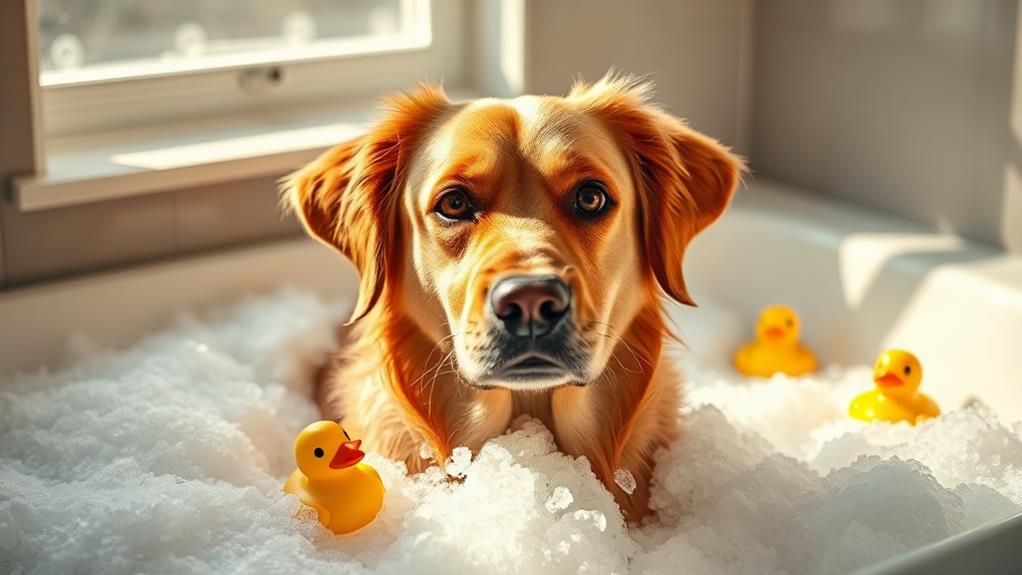
When you're bathing your dog, watch for signs of discomfort.
Excessive whining or barking can indicate that something's bothering them, while tense body language often signals stress or unease.
Being attentive to these cues can help make bath time a more positive experience for both of you.
Excessive Whining or Barking
Many dogs communicate their discomfort through excessive whining or barking, which can be distressing for both the pet and the owner.
If you notice your dog vocalizing more than usual during bath time, it's essential to pay attention to the signs. Here are four potential reasons for their behavior:
- Temperature Issues: The water might be too hot or too cold for their comfort.
- Fear of Water: Some dogs have a natural aversion to water, making them anxious during baths.
- Physical Pain: If your dog is experiencing pain, such as from an injury or skin condition, they may vocalize their discomfort.
- Lack of Familiarity: Dogs that aren't used to baths may feel overwhelmed and react by whining or barking.
To ensure a positive bathing experience, observe your dog's behavior closely.
Adjust the water temperature, create a calm environment, and reassure them with a gentle voice.
Tense Body Language
Recognizing tense body language is vital in understanding your dog's discomfort during bath time. Dogs communicate their feelings through various physical cues, and being attentive to these signs can help you create a more positive bathing experience.
Watch for stiff body posture. If your dog stands rigid with a tense tail, it's a clear indication they're not at ease. A tucked tail is another strong signal of anxiety. If their ears are pinned back against their head, it often means they're feeling threatened or uncomfortable.
You might also notice your dog trying to pull away or avoid the bath area altogether. If they're panting excessively or drooling, these are additional signs of distress.
Look for lip licking or yawning, which can indicate nervousness rather than relaxation.
Tools for Measuring Water Temperature
To ensure your dog enjoys a comfortable bath, using the right tools for measuring water temperature is essential. Knowing the ideal temperature can make bath time a pleasant experience for your furry friend.
Here are four handy tools you should consider:
- Digital Thermometer: This quick and accurate device gives you a precise reading. Just place it in the water for a few seconds.
- Infrared Thermometer: With a simple point-and-shoot feature, this tool allows you to measure the surface temperature without direct contact, ensuring safety and convenience.
- Thermometer with Probe: These have a long probe that can be submerged in the water. They provide reliable readings and are easy to use.
- Bath Thermometer: Specifically designed for pets, these often float in the water and change color to indicate the temperature range, making it easy to see at a glance.
Using these tools will help you achieve the perfect bath temperature, keeping your dog comfortable and happy.
Preparing Your Dog for Bath Time
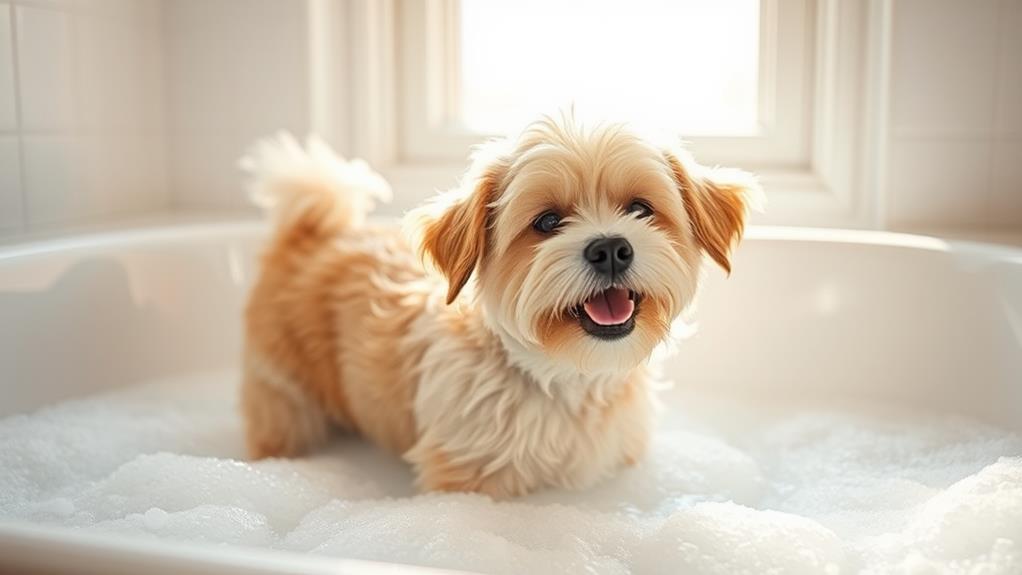
Before you start bath time, gather all the necessary supplies like shampoo, towels, and a non-slip mat.
It's crucial to calm your dog to make the experience smoother for both of you.
Taking these steps will help ensure your pup feels relaxed and ready for a wash.
Gather Necessary Supplies
How can you ensure your dog's bath time goes smoothly? One of the keys is gathering the necessary supplies beforehand. This way, you won't have to leave your dog unattended while searching for items.
Here's a quick checklist to help you prepare:
- Dog Shampoo – Use a gentle, dog-specific shampoo that suits your dog's coat type.
- Towels – Have a couple of absorbent towels ready for drying your furry friend after the bath.
- Non-slip Mat – Place a mat in the tub or bathing area to keep your dog safe and secure while bathing.
- Brush – A brush helps remove loose fur and tangles, making the bath more effective.
Calm Your Dog
Bath time can be a stressful experience for some dogs, so it's important to create a calm environment. Before you even start the bath, take a moment to soothe your furry friend. Speak to them in a gentle, reassuring voice. Familiarize your dog with the bathing area by allowing them to explore it beforehand. This helps reduce anxiety and builds trust.
Consider using treats to create positive associations with bath time. Reward your dog for entering the bathing area or for simply standing calmly.
When you're ready to start, keep the atmosphere relaxed. Avoid sudden movements or loud noises that might startle your dog.
Start with a warm-up by petting your dog and gradually introduce them to the water, using a soft spray or a cup. You might find it helpful to use a non-slip mat to provide stability and comfort for your pup.
Throughout the process, continue to offer praise and treats, reinforcing their good behavior. Remember, the goal is to make this experience as enjoyable as possible.
With patience and care, you can transform bath time into a positive routine for both you and your dog.
Tips for a Stress-Free Bath
Creating a calm environment can make all the difference when bathing your dog. By implementing a few simple strategies, you can turn bath time into a positive experience for both you and your furry friend. Here are some tips to ensure a stress-free bath:
- Choose the Right Time: Pick a time when your dog is relaxed, perhaps after a long walk or play session. Avoid bathing when they're overly energetic or anxious.
- Gather Supplies in Advance: Have everything you need—shampoo, towels, and brushes—within arm's reach. This prevents unnecessary delays that can cause stress.
- Use Positive Reinforcement: Reward your dog with treats and praise throughout the bath. This helps build a positive association with the experience.
- Stay Calm and Patient: Your demeanor sets the tone. Speak softly and reassuringly to your dog, and take your time. If they seem overwhelmed, take a break and try again later.
Post-Bath Care and Comfort
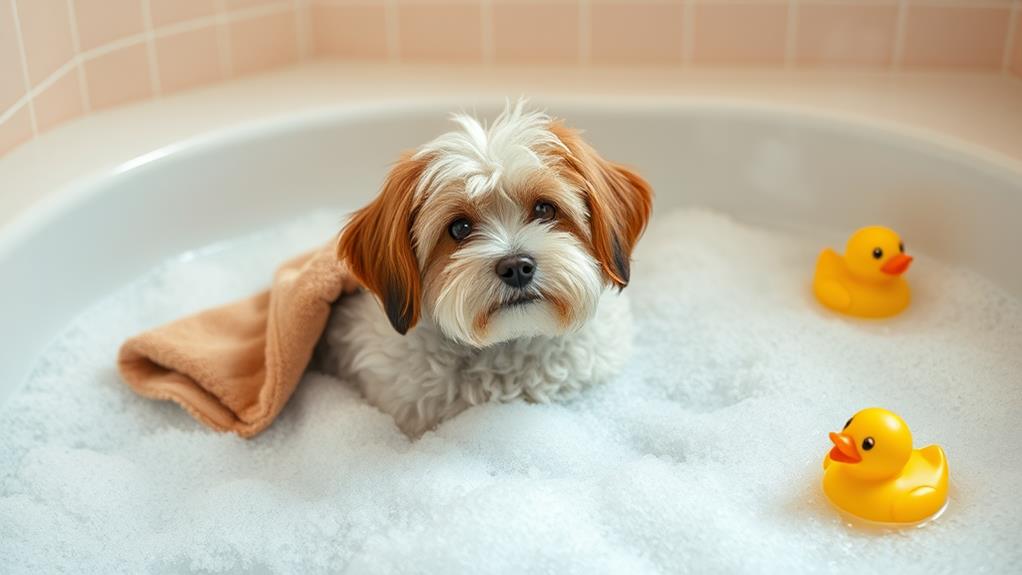
After a successful bath, it's time to focus on your dog's comfort and care. First, gently towel-dry your pup to remove excess water. This not only helps keep them warm but also prevents them from shaking off water all over your home.
If your dog enjoys it, consider using a low-heat blow dryer, keeping it at a safe distance to avoid overheating.
Once your dog is dry, check their ears and paws. Make sure no water is trapped, as this can lead to infections. A quick ear wipe with a cotton ball can be helpful.
Offer them a treat or their favorite toy to create a positive association with bath time.
Next, provide a cozy space for them to relax. A soft blanket or their favorite bed will help them feel secure and comfortable after the bath.
If it's chilly, ensure they're in a warm room, as dogs can get cold quickly when damp.
Common Bathing Mistakes to Avoid
Avoiding common bathing mistakes can make the experience smoother for both you and your dog. Bathing your furry friend doesn't have to be a stressful event. Here are some mistakes to steer clear of:
- Using the wrong water temperature: Make sure the water is lukewarm, not too hot or cold. This keeps your dog comfortable and prevents shock.
- Skipping pre-bath brushing: Always brush your dog before the bath. This removes loose fur and tangles, making the bathing process easier and more effective.
- Applying shampoo directly: Avoid pouring shampoo directly on your dog. Instead, dilute it in water and apply it gently. This helps to evenly distribute the product and reduces skin irritation.
- Neglecting to rinse thoroughly: Rinse your dog well to get rid of all soap residue. Leftover shampoo can lead to irritation and itching.
Frequently Asked Questions
Can I Use Hot Water to Remove Stubborn Dirt?
Using hot water can help you remove stubborn dirt effectively. Just make sure it's not too hot to avoid hurting your skin or your pet's. You want to clean, not cause discomfort.
How Often Should I Bathe My Dog?
You should bathe your dog every four to six weeks, depending on its coat and activity level. Regular grooming helps maintain cleanliness and prevents skin issues, ensuring your furry friend stays healthy and happy.
What if My Dog Hates Water?
If your dog hates water, don't worry; you're not alone. Try introducing water gradually, using treats and praise. Create a positive experience, and soon, your dog might just surprise you with newfound enthusiasm!
Are There Specific Shampoos for Different Water Temperatures?
Yes, there are specific shampoos for different water temperatures. Using the right shampoo ensures your dog's coat stays healthy and clean. Always check the label for temperature recommendations to achieve the best results during bathing.
Can I Bathe My Dog Outside in Winter?
Imagine a cozy cabin in winter's chill. You can bathe your dog outside, but be cautious. Ensure water's warm enough to keep them comfortable, and provide shelter from harsh elements to prevent any distress.
Conclusion
In the grand scheme of dog bathing, keeping the water just right can turn a chore into a delightful experience for both you and your furry friend. By ensuring the temperature is cozy and comfortable, you'll not only pamper your pup but also foster a trusting bond. So, remember to keep things warm and inviting, and before you know it, bath time will be less of a splash and more of a soothing spa day for your beloved companion.

Carlos Rodriguez is the Senior Product Reviewer at DogShampooReviews.com. With over 15 years of experience in canine grooming and skincare, Carlos brings a wealth of knowledge and passion to our team. His journey began at a young age, growing up on a family farm where he was surrounded by dogs of all breeds and sizes. This early exposure ignited his lifelong dedication to animal care and well-being.
Professional Background
- Certified Dog Groomer: Carlos is a certified professional groomer who has worked in some of the top grooming salons across the country. His expertise spans various grooming techniques suitable for different breeds and coat types.
- Canine Skincare Specialist: Recognizing the importance of skin health in dogs, Carlos pursued additional certifications in dermatological care for canines, specializing in treating skin conditions and allergies.
- Product Testing Expert: With a meticulous eye for detail, Carlos rigorously tests dog shampoos and grooming products, evaluating them on ingredients, efficacy, safety, and overall quality.
Passion for Dogs
Carlos’s love for dogs goes beyond his professional life. He is an active volunteer at local animal shelters, providing grooming services to help adoptable dogs look and feel their best. His own rescued dogs, Bella and Rocky, are often the first to try out new products, ensuring his reviews come from genuine experiences.
Why Trust Carlos
- Unbiased Reviews: Committed to integrity, Carlos ensures all his reviews are honest and based on thorough testing.
- Expert Insight: His extensive knowledge allows him to break down complex information into understandable advice for dog owners.
- Community Engagement: Carlos actively engages with our readers, answering questions and providing personalized recommendations.