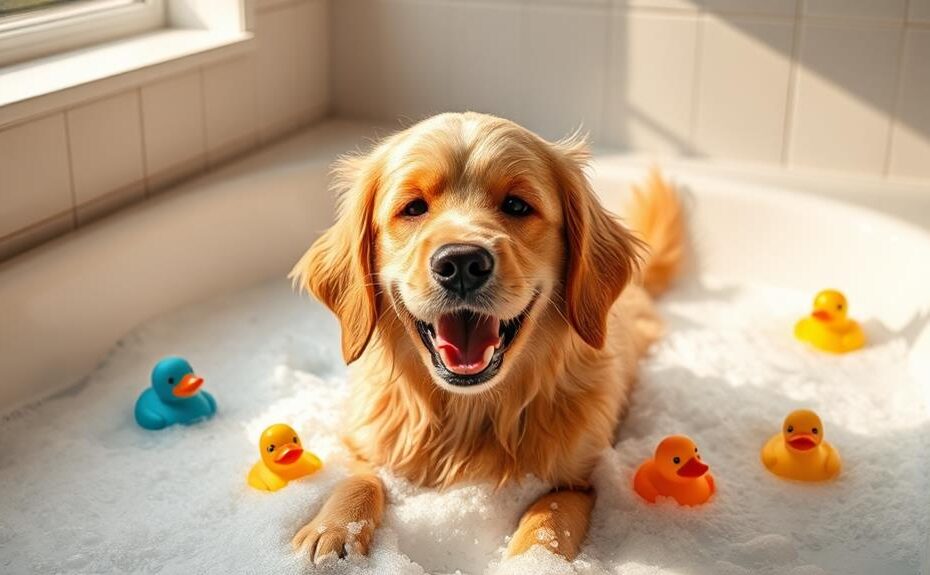
Brushing your dog after a bath is key to keeping their coat healthy and tangle-free. First, gather your supplies, including the right brush for your dog's coat type, towels, and perhaps a detangling spray. Make sure your pup is dry, starting with gentle strokes to avoid discomfort. Focus on problem areas like behind ears or under the legs, and use positive reinforcement, like treats, to create a calming environment. Establishing a routine will help your dog become comfortable over time. Stick around to discover more tips for making grooming a pleasant experience for both you and your furry friend.
Key Takeaways
- Use absorbent towels to thoroughly dry your dog before brushing, starting from the head and moving downwards.
- Employ the appropriate brush or comb based on your dog's coat type to effectively manage tangles and loose hair.
- Apply detangling spray or conditioner to ease knots and enhance grooming comfort while brushing.
- Use gentle strokes and focus on problem areas, adjusting techniques based on your dog's body language.
- Incorporate positive reinforcement by offering treats and praise to create a relaxing grooming experience.
Gather Your Supplies
Gathering your supplies is essential for a smooth brushing session after your dog's bath. Before you dive in, make sure you have everything you need right at your fingertips.
Start with towels to dry your pup thoroughly, as a damp coat can make brushing more challenging. You'll also want to have a non-slip mat to keep your dog steady and comfortable during the process.
Next, grab a comb and a couple of brushes suited to your dog's coat type. If you're unsure about which tools to use, don't worry; we'll cover that in the next section.
You might also want to have some treats handy. Encouragement goes a long way in making your dog feel relaxed and appreciated.
Lastly, consider using a detangling spray or conditioner to help ease out any knots. This'll make the brushing experience more enjoyable for both of you.
Once you've got everything organized, you're ready to not only pamper your pup but also foster a deeper bond through this shared activity. Your preparation sets the stage for a positive experience, ensuring both you and your furry friend look forward to it.
Choose the Right Brush
When it comes to brushing your dog after a bath, selecting the right brush is crucial.
You need to consider your dog's coat type and choose a brush that's the right size for them. This ensures you effectively remove loose hair and tangles without causing discomfort.
Consider Coat Type
Choosing the right brush for your dog's coat type is essential to effectively remove loose hair and debris. Different coat types require specific brushes to ensure a thorough grooming experience.
By using the appropriate brush, you'll not only keep your dog looking their best, but you'll also help maintain their skin health.
Here's a quick guide to help you select the right brush based on your dog's coat type:
- Short-haired dogs: A rubber curry brush can efficiently remove loose hair and stimulate the skin.
- Medium-haired dogs: A slicker brush works well to remove tangles and loose fur, keeping their coat smooth.
- Long-haired dogs: A wide-toothed comb or a pin brush helps detangle and prevent mats in their flowing coat.
- Curly-haired dogs: A bristle brush or a comb designed for curly coats will keep their curls defined and free from debris.
Select Appropriate Size
To ensure effective grooming, selecting the right brush size for your dog is crucial. A brush that fits your dog's size and coat type not only makes the process easier but also enhances your grooming experience.
If you've got a small dog, opt for a brush with a narrower head and softer bristles. This'll allow you to maneuver easily around their delicate areas without causing discomfort.
For medium to large breeds, choose a brush that can cover more surface area efficiently. A wider brush will help you work through thicker coats, especially if your dog has a double coat.
Remember, it's not just about size; the bristle length also matters. Shorter bristles are perfect for smoothing out fur, while longer bristles are better for reaching the undercoat.
Always consider your dog's comfort when selecting a brush. A well-chosen brush reduces the risk of pulling or tugging, making the experience enjoyable for both of you.
Drying Your Dog Properly
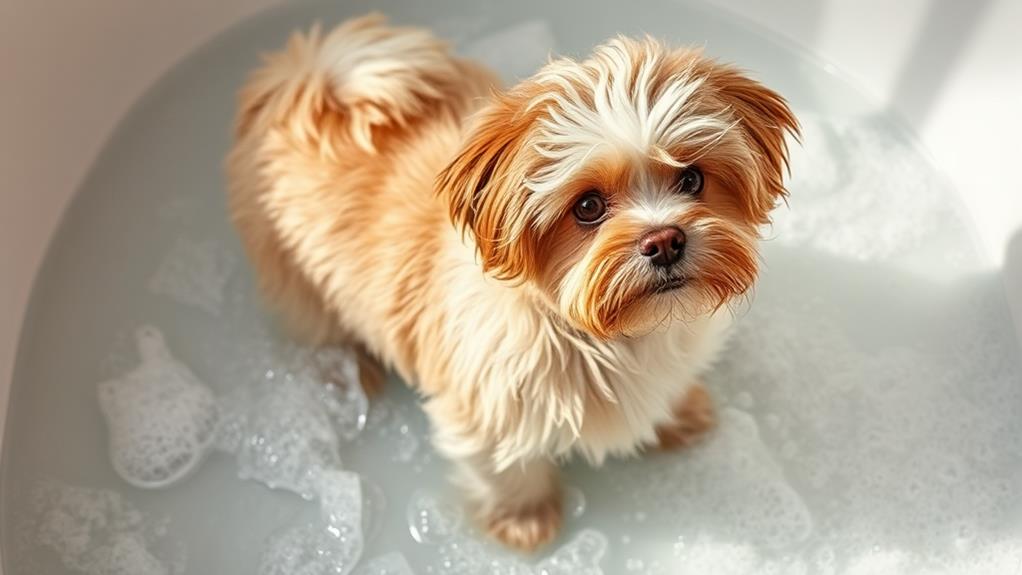
After giving your dog a bath, the next step is to dry them off properly.
You can start with effective towel drying techniques to soak up the excess water, then consider using a blow dryer for a thorough finish.
Just remember to use a low heat setting to keep your pup comfortable.
Towel Drying Techniques
When you towel dry your dog, it's essential to be gentle yet thorough. This not only helps to avoid any discomfort for your furry friend but also ensures effective drying.
Follow these techniques to make the process smooth and enjoyable for both of you:
- Choose the Right Towel: Use a large, absorbent towel that's soft on your dog's skin. Microfiber towels work great for this purpose.
- Start from the Top: Begin drying at the head and work your way down. This method helps to keep your dog calm and prevents water from dripping onto their face.
- Use a Patting Motion: Instead of rubbing, use a gentle patting motion. This technique absorbs more water without risking damage to your dog's coat and skin.
- Pay Attention to Paws and Ears: Don't forget to dry between the toes and around the ears, as these areas tend to hold moisture longer.
Using a Blow Dryer
Once your dog is towel-dried, using a blow dryer can be an effective way to finish the drying process. To ensure your furry friend stays comfortable and calm, choose a blow dryer designed for pets or one with a low heat setting.
Set it to a low speed and keep it at a safe distance—about 12 inches away from your dog's skin. This prevents overheating and helps your pup feel more at ease.
As you start drying, gently move the dryer in a sweeping motion, avoiding concentrated heat on any one area. Pay special attention to the ears, belly, and paws, which can retain moisture.
Keep an eye on your dog's reactions; if they seem uncomfortable, take breaks and offer reassuring words or treats.
You might also consider using a comb or brush while drying. This can help remove loose fur and prevent tangles, making the overall grooming process smoother.
Start With Gentle Strokes
A soft brush glides through your dog's damp fur, making the grooming process a soothing experience for both of you.
Starting with gentle strokes helps your dog relax and enjoy this bonding time. It's essential to approach the task with care, especially right after a bath when your dog may still be sensitive.
Here are some tips to keep in mind as you brush:
- Use the Right Brush: Choose a brush that's suitable for your dog's coat type to prevent discomfort.
- Be Soft and Slow: Apply gentle pressure and move slowly to avoid tugging on their fur.
- Watch for Reactions: Pay attention to your dog's body language; if they seem uncomfortable, ease up or change your technique.
- Create a Calm Environment: Ensure the space is quiet and relaxed to help your dog feel at ease.
Focus on Problem Areas
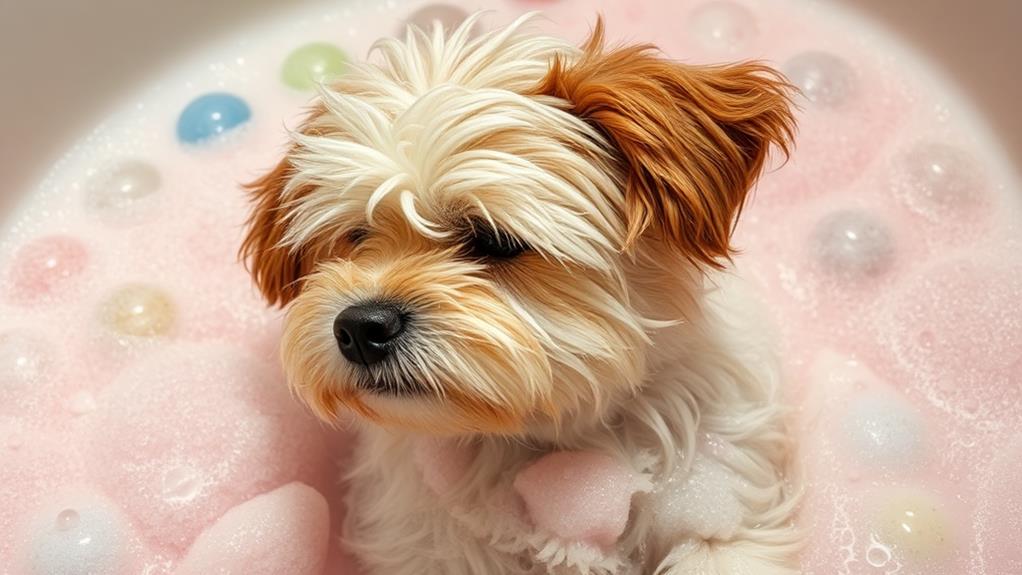
Identifying and addressing problem areas is crucial for effective grooming after a bath. Start by observing your dog's coat for any mats, tangles, or knots. Pay special attention to areas behind the ears, under the legs, and around the tail, where fur tends to knot more easily.
These spots often get neglected, but they require your careful attention to ensure your dog stays comfortable and looks great.
Once you've pinpointed these problem areas, use your brush or comb to gently work through them. Start at the edges of the mat or tangle and gradually work your way in, using short, controlled strokes.
If you encounter resistance, don't force it—your dog might find it uncomfortable. Instead, take your time, and if needed, return to a gentle stroke technique to ease the fur apart.
Remember to check in with your dog during the process. Offer praise and soothing words to reassure them.
The goal is to create a positive grooming experience that fosters trust between you and your furry friend. By focusing on these problem areas, you'll help your dog feel their best post-bath.
Use Detangling Products
While brushing your dog after a bath, using detangling products can make the process smoother and more comfortable for both of you. These products work wonders in preventing breakage and minimizing discomfort as you brush through your dog's coat.
When selecting a detangling solution, consider the following:
- Spray Detanglers: These are easy to apply and can be used on wet or dry fur, helping to loosen knots effortlessly.
- Leave-in Conditioners: These nourish the coat while providing moisture, making it easier to brush through any tangles.
- Natural Oils: Options like coconut or argan oil can add shine and slip to the fur, reducing friction during brushing.
- Brush-Specific Detanglers: Some products are designed specifically for certain types of brushes, enhancing their effectiveness.
Before applying any detangling product, make sure your dog's skin is dry and comfortable. Lightly mist the product over the fur, focusing on problem areas.
Allow it to sit for a minute or two to work its magic. With the right detangling products in hand, you'll find the brushing experience much more enjoyable for you and your furry friend.
Rewarding Your Dog
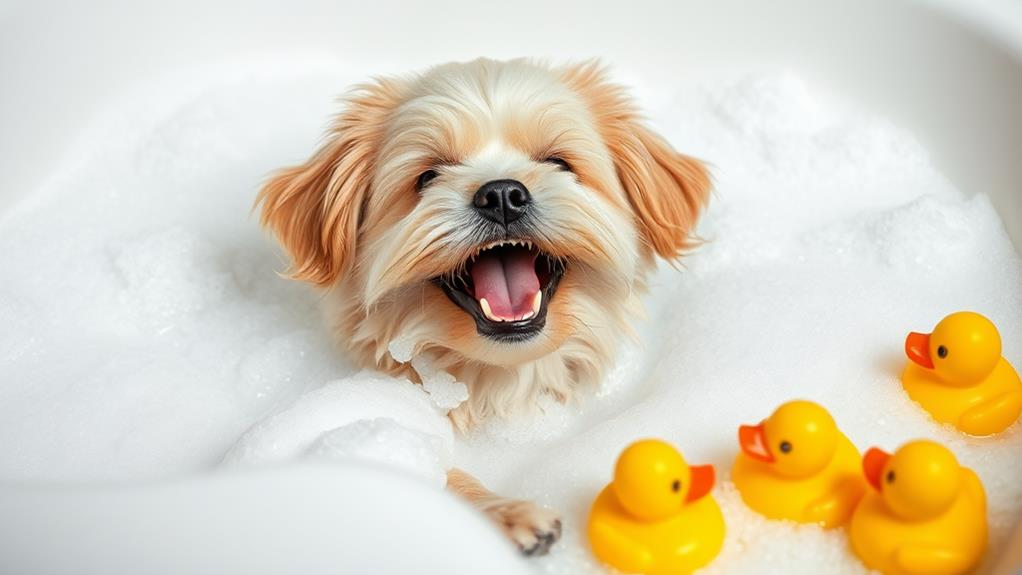
To make brushing a positive experience for your dog, rewarding them during and after the process is essential. Positive reinforcement helps your furry friend associate brushing with good things, making it easier for you both in the long run.
Keep some of their favorite treats handy. Whenever you start brushing, offer a treat after each successful stroke. This encourages your dog to stay calm and relaxed.
Praise is just as important as treats. Use a cheerful voice to commend your dog for their cooperation. Words like "good boy" or "good girl" can boost their confidence and make them feel loved.
If your dog seems anxious or restless, take a moment to pause and offer a gentle pat along with a treat to reassure them.
After the brushing session, make sure to reward your dog with extra cuddles or playtime. This reinforces the idea that brushing leads to enjoyable experiences.
Establish a Regular Routine
A consistent brushing routine can make all the difference in your dog's grooming experience. By setting aside time for brushing after each bath, you not only keep your pup's coat healthy but also strengthen your bond.
Here's how to establish a routine that benefits both of you:
- Choose a Specific Day: Pick a day that works best for you and your dog, making it a part of your weekly schedule.
- Set a Time: Consistency is key, so try to brush your dog at the same time each day, whether it's post-bath or another time that fits.
- Create a Comfortable Space: Designate a quiet area where your dog feels safe and relaxed during grooming sessions.
- Be Patient and Positive: Dogs thrive on positive reinforcement. Keep the mood light and reward your dog with treats and affection.
Frequently Asked Questions
How Often Should I Bathe My Dog Before Brushing?
You should bathe your dog every four to six weeks, depending on their coat type and activity level. Regular baths help keep their fur clean and manageable, making brushing easier and more effective for you both.
What if My Dog Dislikes Being Brushed After a Bath?
Imagine your dog squirming, eyes wide with uncertainty. If they dislike brushing, try gentle strokes and soothing words. Create a calm space, offering treats to associate brushing with positive experiences, making the process enjoyable for both of you.
Can I Use Human Hair Brushes on My Dog?
You can use human hair brushes on your dog, but they might not be the best choice. Dog brushes are designed for their unique fur, ensuring a gentler, more effective grooming experience.
Should I Brush My Dog When It's Wet or Dry?
When it comes to brushing your dog, you're better off waiting until their fur's dry. Wet fur can get tangled, making it a tough row to hoe. A dry coat's much easier to manage.
How Do I Handle Mats or Tangles During Brushing?
When you encounter mats or tangles, gently work them out with your fingers first. Then, use a slicker brush or comb, making sure to be patient and avoid pulling too hard on your dog's fur.
Conclusion
Brushing your dog after a bath isn't just about keeping their coat looking great; it's a bonding experience that strengthens your connection. By following these steps, you'll create a routine that both you and your furry friend will enjoy. Just remember, every gentle stroke not only untangles fur but also weaves trust into your relationship. So, grab that brush, and let the magic of grooming transform bath time into a cherished ritual for you both!

Carlos Rodriguez is the Senior Product Reviewer at DogShampooReviews.com. With over 15 years of experience in canine grooming and skincare, Carlos brings a wealth of knowledge and passion to our team. His journey began at a young age, growing up on a family farm where he was surrounded by dogs of all breeds and sizes. This early exposure ignited his lifelong dedication to animal care and well-being.
Professional Background
- Certified Dog Groomer: Carlos is a certified professional groomer who has worked in some of the top grooming salons across the country. His expertise spans various grooming techniques suitable for different breeds and coat types.
- Canine Skincare Specialist: Recognizing the importance of skin health in dogs, Carlos pursued additional certifications in dermatological care for canines, specializing in treating skin conditions and allergies.
- Product Testing Expert: With a meticulous eye for detail, Carlos rigorously tests dog shampoos and grooming products, evaluating them on ingredients, efficacy, safety, and overall quality.
Passion for Dogs
Carlos’s love for dogs goes beyond his professional life. He is an active volunteer at local animal shelters, providing grooming services to help adoptable dogs look and feel their best. His own rescued dogs, Bella and Rocky, are often the first to try out new products, ensuring his reviews come from genuine experiences.
Why Trust Carlos
- Unbiased Reviews: Committed to integrity, Carlos ensures all his reviews are honest and based on thorough testing.
- Expert Insight: His extensive knowledge allows him to break down complex information into understandable advice for dog owners.
- Community Engagement: Carlos actively engages with our readers, answering questions and providing personalized recommendations.